

Description
Silicon Carbide Quick Details
Chemical Name: Silicon carbide
CAS No.:409-21-2
Molecular Fomula:CSi
Chemical Structure:
Molecular weight:40.1
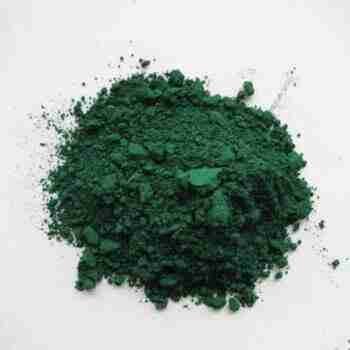
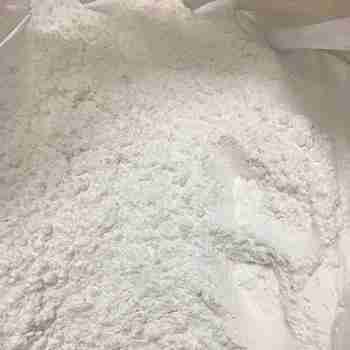
Appearance:Green or black crystalline powder
Assay????65-98%
Silicon Carbide?Typical Properties
Item
Specifications
Results
Appearance
Green or black crystalline powder
confirmed
Grade
chemical composition(%)
SiC
F.C
Fe2O3
SiC98
??98%
??0.3%
??0.8%
SiC88-90
88-90%
??0.6%
??1.2%
SiC80
??80%
??3.0%
SiC70
??70%
??4.0%
SiC65
??65%
??5.0
Conclusion
Qualified.
Silicon carbide Usage
1. Silicon carbide is used to process low tensile strength metals and non-metals, and it is also widely used in refractory materials and the electronics industry
2. Non-ferrous metal smelting, iron and steel industry, metallurgical beneficiation industry, building materials ceramics, grinding wheel industry, energy saving
3.Important raw materials for manufacturing advanced refractory materials, high-temperature ceramics, resistance heating elements, abrasives, and recrystallized silicon carbide products
Silicon carbide Packaging and Shipping
25kg /drum;25kg/bag
Silicon carbide Storage
Keep it under low temperature and dry condition.
Related Products

Calcium carbonate, with the chemical formula CaCO3, is an inorganic compound found in nature as calcite, aragonite, and vaterite. It is a white solid that is insoluble in water but soluble in acid. Widely used as a filler and coating pigment in paper and plastics, calcium carbonate also serves as a primary ingredient in the production of cement and lime. Known for its high purity and chemical stability, it is utilized in pharmaceuticals, food additives, and as a dietary calcium supplement. Its versatility makes it an essential component in various industrial applications.

Chemical Name: Zinc citrate
Synonyms: Zinc citrate trihydrate
CAS No.: 546-46-3
Molecular Formula: C6H8O7Zn
Molecular Weight: 257.5
Appearance: White powder

Chemical Name: Dehydrocholic acid
Synonyms: Acide dehydrocholique; Triketocholanic acid
CAS No.: 81-23-2
Molecular Formula: C24H34O5
Molecular Weight: 402.53
Appearance: Powder

Chemical Name: Quercetin-3-O-sophoroside
CAS No.: 18609-17-1
Molecular Formula: C27H30O17
Molecular Weight: 626.52

Aluminum chlorohydrate is an inorganic compound often used as a coagulant in water treatment processes. It is also known for its astringent properties and is utilized in various personal care products, such as antiperspirants and deodorants, due to its ability to temporarily close sweat glands. It enhances the viscosity and stability of formulations, making it a valuable ingredient in cosmetics and pharmaceuticals.

Ammonium sulfamate is a white crystalline compound with the chemical formula (NH4)2SO3. It is a versatile chemical used in various applications, including as a flame retardant, a fertilizer ingredient, and a chemical intermediate. In the agricultural sector, it serves as a source of nitrogen, promoting plant growth. As a flame retardant, it is effective in reducing the flammability of materials. Additionally, it is used in the synthesis of other chemicals due to its reactivity with amines and other organic compounds. Its properties make it a valuable component in a range of industrial processes.
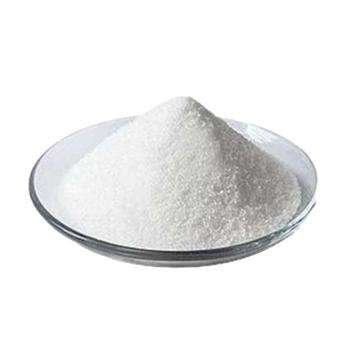
Chemical Name: 3-Hydroxybutyric acid
CAS No.: 625-71-8
Molecular Formula: C4H8O3
Molecular Weight: 104.1
Appearance: White powder

Chemical Name: Choline salicylate
CAS No.: 2016-36-6
Molecular Formula: C12H19NO4
Molecular Weight: 241.28
Appearance: Red-Brown Crystal
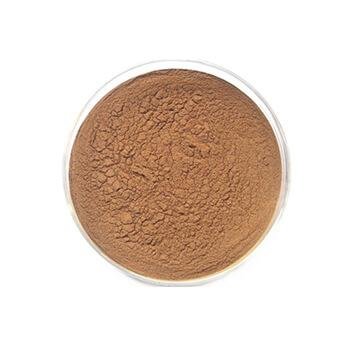
Chemical Name: Ashwagandha Extract
Synonyms: Withania somnifera, ext.; Withania Somnefera Extract
CAS: 90147-43-6
Appearance: Brown
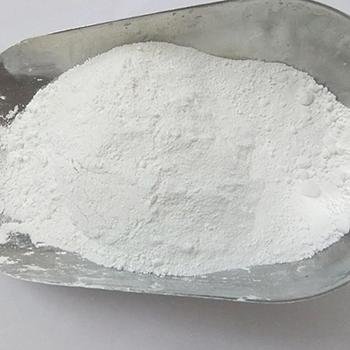
Product name:Cyclopentane
Purity:96%
Appearance:White powder
Package:25kg/bag
Sample:Available

Copper(II) sulfate, with the chemical formula CuSO4, is a blue crystalline compound that is soluble in water. It is commonly used in agriculture as a fungicide and in the textile industry as a dye fixative. Copper(II) sulfate is also utilized in the manufacture of pigments, batteries, and as an algaecide in water treatment. Its distinctive blue color and reactivity make it a versatile chemical in various industrial applications, including chemical analysis and electroplating.

Common English name: 5-iodo-2,3-dihydropyridazin-3-one
CAS No.: 825633-94-1
Molecular formula: C4H3IN2O
Molecular weight: 221.98
Sample: Available



Reviews
There are no reviews yet.