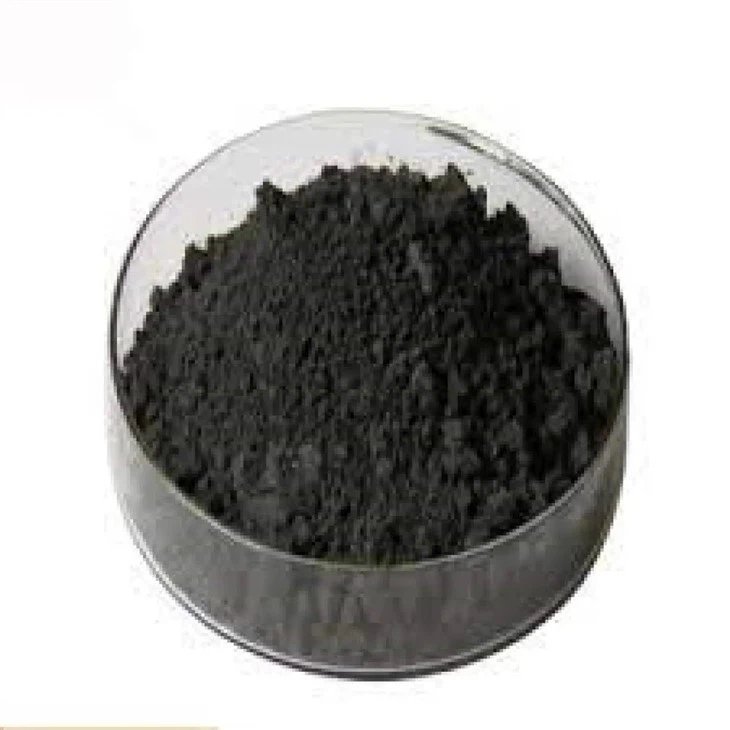
Calcium carbonate CAS#471-34-1


Calcium carbonate, with the chemical formula CaCO3, is an inorganic compound found in nature as calcite, aragonite, and vaterite. It is a white solid that is insoluble in water but soluble in acid. Widely used as a filler and coating pigment in paper and plastics, calcium carbonate also serves as a primary ingredient in the production of cement and lime. Known for its high purity and chemical stability, it is utilized in pharmaceuticals, food additives, and as a dietary calcium supplement. Its versatility makes it an essential component in various industrial applications.
Calcium carbonate CAS#471-34-1
| Calcium carbonate Chemical Properties |
| Melting point | 825 ??C |
| Boiling point | 800 ??C |
| density | 2.93 g/mL at 25 ??C (lit.) |
| refractive index | 1.6583 |
| storage temp. | Store at +5??C to +30??C. |
| solubility | 5 M HCl: 0.1?M at?20???C, clear, colorless |
| form | random crystals |
| color | White-beige to slightly beige-gray |
| Specific Gravity | 2.93 |
| PH | 9.91(1 mM solution);9.91(10 mM solution);9.91(100 mM solution); |
| Odor | Odorless |
| PH Range | 8 |
| Water Solubility | Insoluble |
| ??max | ??: 260 nm Amax: ??0.09 ??: 280 nm Amax: ??0.06 |
| Merck | 14,1657 |
| BRN | 8008338 |
| Solubility Product Constant (Ksp) | pKsp: 8.54 |
| Exposure limits | NIOSH: TWA 10 mg/m3; TWA 5 mg/m3 |
| Dielectric constant | 6.1??Ambient?? |
| Stability: | Stable. Incompatible with acids, fluorine, ammonium salts, alum. |
| InChIKey | VTYYLEPIZMXCLO-UHFFFAOYSA-L |
| CAS DataBase Reference | 471-34-1(CAS DataBase Reference) |
| EPA Substance Registry System | Calcium carbonate (471-34-1) |
| Safety Information |
| Hazard Codes | Xi |
| Risk Statements | 37/38-41-36/38-36 |
| Safety Statements | 26-36/37/39-37/39-37 |
| OEB | B |
| OEL | TWA: 10 mg/m3 (total) |
| WGK Germany | – |
| RTECS | FF9335000 |
| TSCA | Yes |
| HS Code | 28365000 |
| Hazardous Substances Data | 471-34-1(Hazardous Substances Data) |
| Toxicity | LD50 orally in Rabbit: 6450 mg/kg LD50 dermal Rat > 2000 mg/kg |
Related Products

Aluminum chlorohydrate is an inorganic compound often used as a coagulant in water treatment processes. It is also known for its astringent properties and is utilized in various personal care products, such as antiperspirants and deodorants, due to its ability to temporarily close sweat glands. It enhances the viscosity and stability of formulations, making it a valuable ingredient in cosmetics and pharmaceuticals.

Product name:HYDROXYPROPYL GUAR HYDROXYPROPYLTRIMONIUM CHLORIDE
Purity:99%
Appearance:Light Yellow Powder
Package:Customized according to customer needs.
Sample:Available

Chemical Name: Potassium Castorate
CAS No.: 8013-05-6
Molecular Formula: C57H107K3O12
Molecular Weight: 1101.74718
Appearance: Yellow Liquid
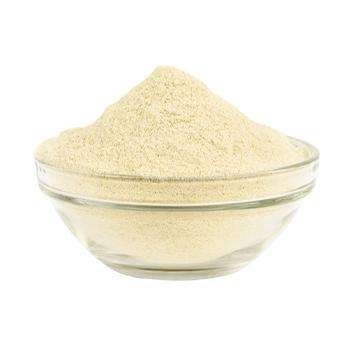
Chemical Name: Arabic gum
CAS No.: 9000-01-5
Appearance: powder

Ammonium sulfamate is a white crystalline compound with the chemical formula (NH4)2SO3. It is a versatile chemical used in various applications, including as a flame retardant, a fertilizer ingredient, and a chemical intermediate. In the agricultural sector, it serves as a source of nitrogen, promoting plant growth. As a flame retardant, it is effective in reducing the flammability of materials. Additionally, it is used in the synthesis of other chemicals due to its reactivity with amines and other organic compounds. Its properties make it a valuable component in a range of industrial processes.

Chemical Name: 3-Hydroxybutyric acid
CAS No.: 625-71-8
Molecular Formula: C4H8O3
Molecular Weight: 104.1
Appearance: White powder

Chemical Name: o-Xylene
Synonyms: 1,2-Dimethylbenzene; ortho-xylene
CAS No.: 95-47-6
Molecular Formula: C8H10
Molecular Weight: 106.17

Common English name: 5-iodo-2,3-dihydropyridazin-3-one
CAS No.: 825633-94-1
Molecular formula: C4H3IN2O
Molecular weight: 221.98
Sample: Available
Hexaammonium molybdate is a high-purity, water-soluble molybdenum compound with the chemical formula (NH4)6Mo7O24??4H2O. It is a crystalline solid that serves as a molybdenum source in various applications, including agriculture as a micronutrient fertilizer and in the industrial production of catalysts and pigments. Known for its stability and reactivity, it is used to enhance the properties of steel and other alloys, promoting their hardness and resistance to wear.
Ammonium sulfamate is a white crystalline compound with the chemical formula (NH4)2SO3. It is a versatile chemical used in various applications, including as a flame retardant, a fertilizer ingredient, and a chemical intermediate. In the agricultural sector, it serves as a source of nitrogen, promoting plant growth. As a flame retardant, it is effective in reducing the flammability of materials. Additionally, it is used in the synthesis of other chemicals due to its reactivity with amines and other organic compounds. Its properties make it a valuable component in a range of industrial processes.

Kaolin, also known as china clay, is a naturally occurring hydrated aluminum silicate mineral. It is a soft, white, plastic clay that is widely used in ceramics, papermaking, and as a pigment in paints, coatings, and plastics. Kaolin is valued for its fine particle size, purity, and ability to improve the brightness and opacity of materials. Its inert nature and high refractive index make it ideal for various industrial applications, including cosmetics and pharmaceuticals.

Copper(II) sulfate, with the chemical formula CuSO4, is a blue crystalline compound that is soluble in water. It is commonly used in agriculture as a fungicide and in the textile industry as a dye fixative. Copper(II) sulfate is also utilized in the manufacture of pigments, batteries, and as an algaecide in water treatment. Its distinctive blue color and reactivity make it a versatile chemical in various industrial applications, including chemical analysis and electroplating.