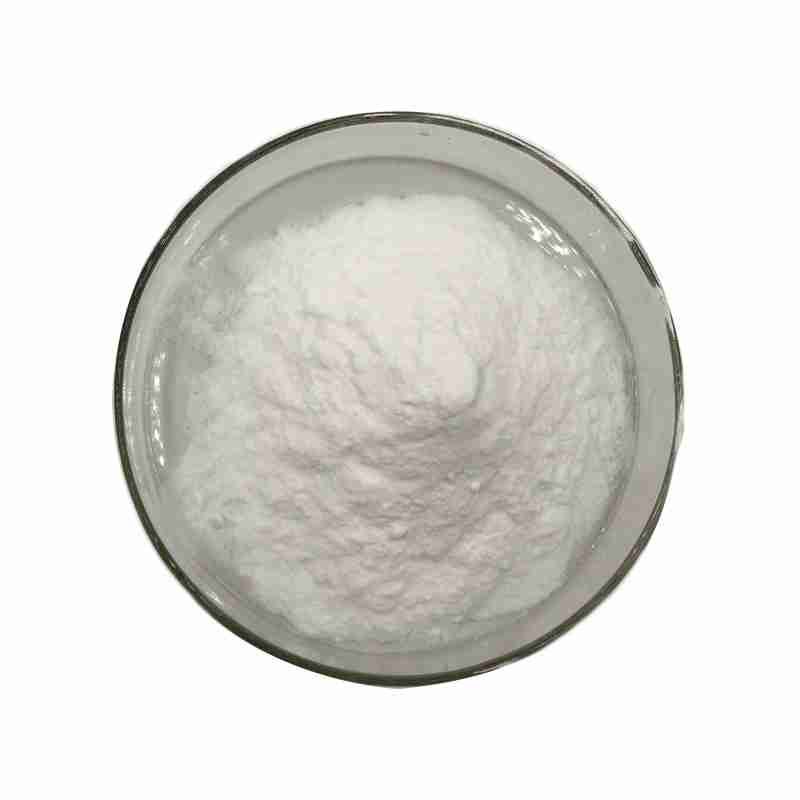
Ammonium sulfamate CAS#7773-06-0


Ammonium sulfamate is a white crystalline compound with the chemical formula (NH4)2SO3. It is a versatile chemical used in various applications, including as a flame retardant, a fertilizer ingredient, and a chemical intermediate. In the agricultural sector, it serves as a source of nitrogen, promoting plant growth. As a flame retardant, it is effective in reducing the flammability of materials. Additionally, it is used in the synthesis of other chemicals due to its reactivity with amines and other organic compounds. Its properties make it a valuable component in a range of industrial processes.
| Ammonium sulfamate Chemical Properties |
| Melting point | 131-135 ??C (lit.) |
| Boiling point | 160??C |
| density | 1.769 |
| vapor pressure | 0Pa at 20?? |
| Fp | 160??C |
| storage temp. | no restrictions. |
| solubility | H2O: 1?M at?20???C, clear, colorless |
| form | Crystalline Powder |
| color | White |
| PH | 5.0-6.0 (50g/l, H2O, 20??) |
| Odor | Slight amine odor |
| PH Range | 4.5 – 6.0 |
| Water Solubility | 1950 g/L (20 oC) |
| Sensitive | Air & Moisture Sensitive |
| Merck | 14,554 |
| Exposure limits | ACGIH: TWA 10 mg/m3 OSHA: TWA 15 mg/m3; TWA 5 mg/m3 NIOSH: IDLH 1500 mg/m3; TWA 10 mg/m3; TWA 5 mg/m3 |
| Stability: | Stable. Incompatible with strong acids, strong oxidizing agents. |
| InChIKey | GEHMBYLTCISYNY-UHFFFAOYSA-N |
| LogP | -4.34 at 20?? |
| CAS DataBase Reference | 7773-06-0(CAS DataBase Reference) |
| NIST Chemistry Reference | Ammonium sulfamate(7773-06-0) |
| EPA Substance Registry System | Ammonium sulfamate (7773-06-0) |
| Safety Information |
| Hazard Codes | Xn,N |
| Risk Statements | 22-50 |
| Safety Statements | 24/25-22-61 |
| OEB | B |
| OEL | TWA: 10 mg/m3 (total) |
| WGK Germany | 1 |
| RTECS | WO6125000 |
| F | 3-10 |
| TSCA | Yes |
| HS Code | 29222100 |
| Hazardous Substances Data | 7773-06-0(Hazardous Substances Data) |
| Toxicity | LD50 orally in rats: 3.0 g/kg (Ambrose) |
| IDLA | 1,500 mg/m3 |
Related Products
Ammonium sulfamate is a white crystalline compound with the chemical formula (NH4)2SO3. It is a versatile chemical used in various applications, including as a flame retardant, a fertilizer ingredient, and a chemical intermediate. In the agricultural sector, it serves as a source of nitrogen, promoting plant growth. As a flame retardant, it is effective in reducing the flammability of materials. Additionally, it is used in the synthesis of other chemicals due to its reactivity with amines and other organic compounds. Its properties make it a valuable component in a range of industrial processes.

Aluminum chlorohydrate is an inorganic compound often used as a coagulant in water treatment processes. It is also known for its astringent properties and is utilized in various personal care products, such as antiperspirants and deodorants, due to its ability to temporarily close sweat glands. It enhances the viscosity and stability of formulations, making it a valuable ingredient in cosmetics and pharmaceuticals.

Hexaammonium molybdate is a high-purity, water-soluble molybdenum compound with the chemical formula (NH4)6Mo7O24??4H2O. It is a crystalline solid that serves as a molybdenum source in various applications, including agriculture as a micronutrient fertilizer and in the industrial production of catalysts and pigments. Known for its stability and reactivity, it is used to enhance the properties of steel and other alloys, promoting their hardness and resistance to wear.

Chromium oxide is a basic inorganic chemical raw material. Its chemical name is chromium trioxide, Cr2O3. It belongs to the trigonal crystal system. If a hexagonal unit cell is taken, the unit cell parameters are 4.960x 4.960??13.584 and the axial ratio is 4.473. Cr2O3 has a ??-Al2O3 structure. This rigid crystal is composed of oxygen ions that are closely packed and M3+ ions fill the octahedral gaps formed by these close packings.It is known that the ionic radii of Cr3+ and O2- are 0.069nm and 0.132nm respectively, and the ratio of positive and negative ionic radii is 0.52, in the range of 0.414~0.732. Therefore, the coordination number of Cr3+ is 6, so it is in the octahedral gap.

Chemical Name: 1,1,2,2-Tetrachloroethane
Other Name: Tetrachlorethane
CAS No.: 79-34-5
Molecular Formula: C2H2Cl4
Molecular Weight: 167.85
Appearance: Liquid
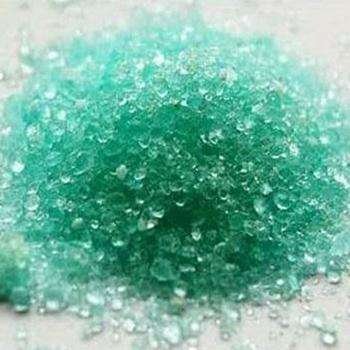
Chemical Name: Ammonium Iron(II) Sulfate
Synonyms: Diammonium iron bis(sulphate); iron (ii) ammonium sulfate
CAS No.: 10045-89-3
Molecular Formula: FeH5NO4S
Molecular Weight: 170.95

Calcium carbonate, with the chemical formula CaCO3, is an inorganic compound found in nature as calcite, aragonite, and vaterite. It is a white solid that is insoluble in water but soluble in acid. Widely used as a filler and coating pigment in paper and plastics, calcium carbonate also serves as a primary ingredient in the production of cement and lime. Known for its high purity and chemical stability, it is utilized in pharmaceuticals, food additives, and as a dietary calcium supplement. Its versatility makes it an essential component in various industrial applications.

Silicon dioxide, commonly known as silica, is a naturally occurring compound found in quartz and sand. It is a primary component of most rocks and is widely used in various industries due to its high thermal stability, chemical inertness, and optical clarity. In chemical applications, it is valued for its abrasive, refractory, and adsorptive properties, making it essential in products like glass, ceramics, and electronics.

Chemical Name: Ashwagandha Extract
Synonyms: Withania somnifera, ext.; Withania Somnefera Extract
CAS: 90147-43-6
Appearance: Brown

Chemical Name: Arabic gum
CAS No.: 9000-01-5
Appearance: powder

Bentonite, sodium-activated, is a type of clay rich in montmorillonite minerals, which undergoes a process to increase its sodium content. This alteration enhances its swelling and adsorptive properties, making it a highly effective thickener and gel-forming agent. Sodium bentonite is widely used in drilling muds, foundry sands, and as a binder in various industrial applications. Its ability to absorb liquids and form stable gels makes it invaluable in cosmetics, agriculture, and as a component in the manufacturing of ceramics and paper products.
Aluminum chlorohydrate is an inorganic compound often used as a coagulant in water treatment processes. It is also known for its astringent properties and is utilized in various personal care products, such as antiperspirants and deodorants, due to its ability to temporarily close sweat glands. It enhances the viscosity and stability of formulations, making it a valuable ingredient in cosmetics and pharmaceuticals.