Daily Chemicals
-
Ethylene glycol CAS#107-21-1阅读更多
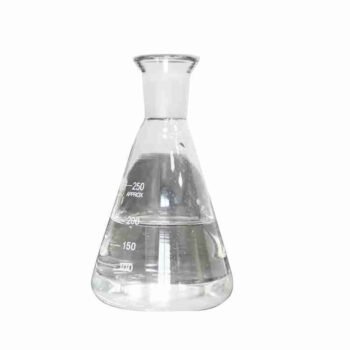
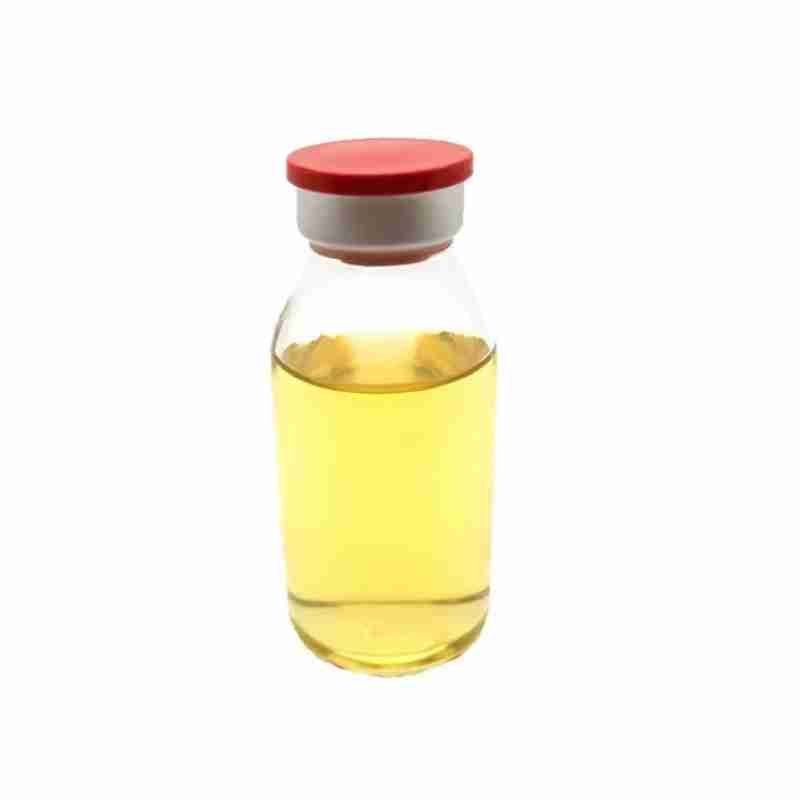
Ethylene glycol is the simplest aliphatic dihydric alcohol with chemical properties of alcohols such as being capable of generating ether, ester, or being oxidized into acid or aldehyde as well as being condensed to form ether or being substituted by halogen. Its reaction with acyl chloride or acid anhydride generally forms di-esters. Under heating in the presence of catalyst (manganese dioxide, aluminum oxide, zinc oxide or sulfuric acid), it can be subject to intermolecular or intramolecular dehydration to form the cyclic ethylene acetals, which can react with nitric acid to generate glycol dinitrate (an explosive). Ethylene glycol is the raw material for production of polyester resins, alkyd resins and polyester fiber. It can also be used as the refrigerant agent for automobile and aircraft engines refrigerant. In 1980, the glycol amount used as refrigerant agent is equal to the amount consumption for producing polyester. In addition, it can also be used for synthesizing polymers such as polyester fibers. Ethylene glycol dinitrate, when used in combination with nitroglycerine can reduce the freezing point of explosives. Ethylene glycol can also be used as the raw material of pharmaceuticals and plastics and high-boiling solvents. Industry applied ethylene as a raw material with first converting it to ethylene oxide and then hydrolyzing to produce ethylene glycol.
-
Ethylene Glycol Distearate CAS# 627-83-8阅读更多Featured
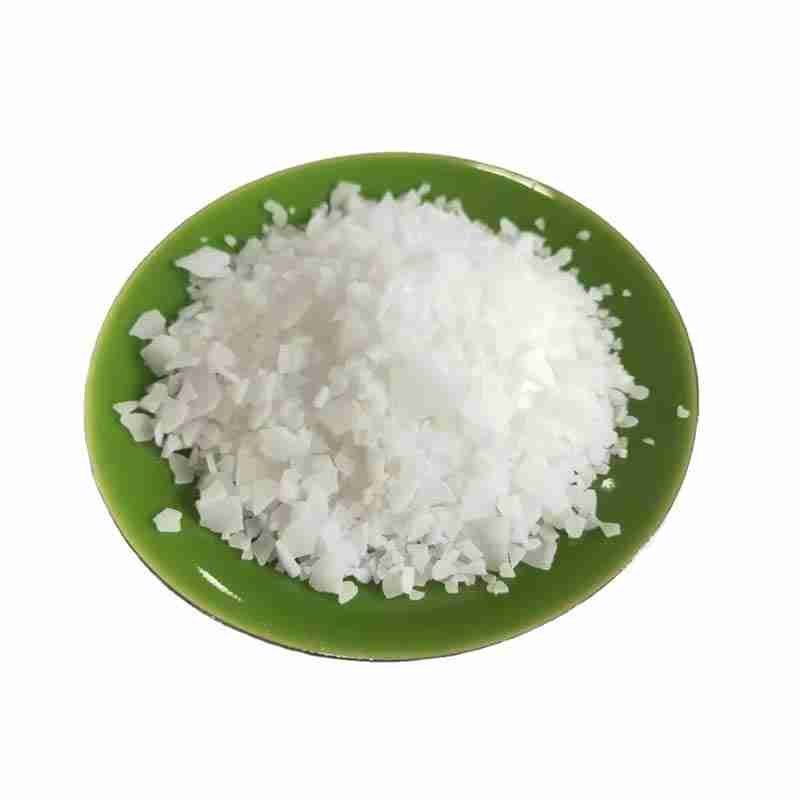
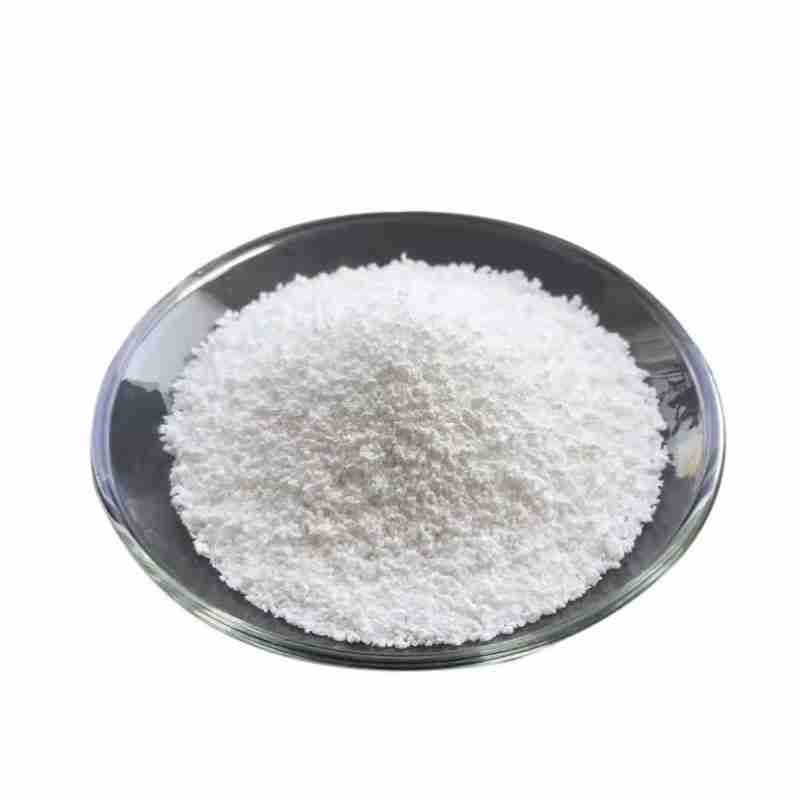
Glycol distearate, likewise known as ethylene glycol distearate, is a chemical commonly used as an aesthetic moisturizer. It is a diester of ethylene glycol and also stearic acid. Used as a pearlescent representative in cosmetics to create a pearlescent sheen, such as shower gels. It can additionally be utilized as a lipophilic emulsifier. Usually used in combination with ethylene glycol monostearate (EGMS, ethylene glycol stearate).
Ethylene glycol distearate is synthesized from ethylene glycol and stearate. The response temperature of the standard synthesis procedure is high, generally between (150 ?? 210 ?? C). In order to remove the water produced by the reaction, steps such as nitrogen circulation, minimized pressure or azeotropic dehydration are called for. Due to the high reaction temperature, serious carbonization and also deep color of the item, extra decolorization procedure is required. There are studies using p-toluenesulfonic acid as well as phosphorous acid (molar ratio 1:1) as a composite driver (hereinafter described as composite stimulant) for esterification, as well as the 3 factors of catalyst usage, reaction temperature level, and response time are experimentally researched. A brand-new synthesis procedure of ethylene glycol distearate was developed.
-
Ethylhexyl Palmitate CAS#29806-73-3阅读更多
Ethylhexyl Palmitate is a skin-conditioning ester, derived from ethylhexanol and palmitic acid, that imparts moisturization and a smooth texture to cosmetic and personal care formulations. It is valued for its emollient properties, enhancing the sensory experience of skin care products.
-
Ethylhexyl Palmitate CAS#29806-73-3阅读更多
Ethylhexyl Palmitate is a skin-conditioning ester, derived from ethylhexanol and palmitic acid, that imparts moisturization and a smooth texture to cosmetic and personal care formulations. It is valued for its emollient properties, enhancing the sensory experience of skin care products.
-
Ferric Oxide CAS# 1309-37-1阅读更多Featured
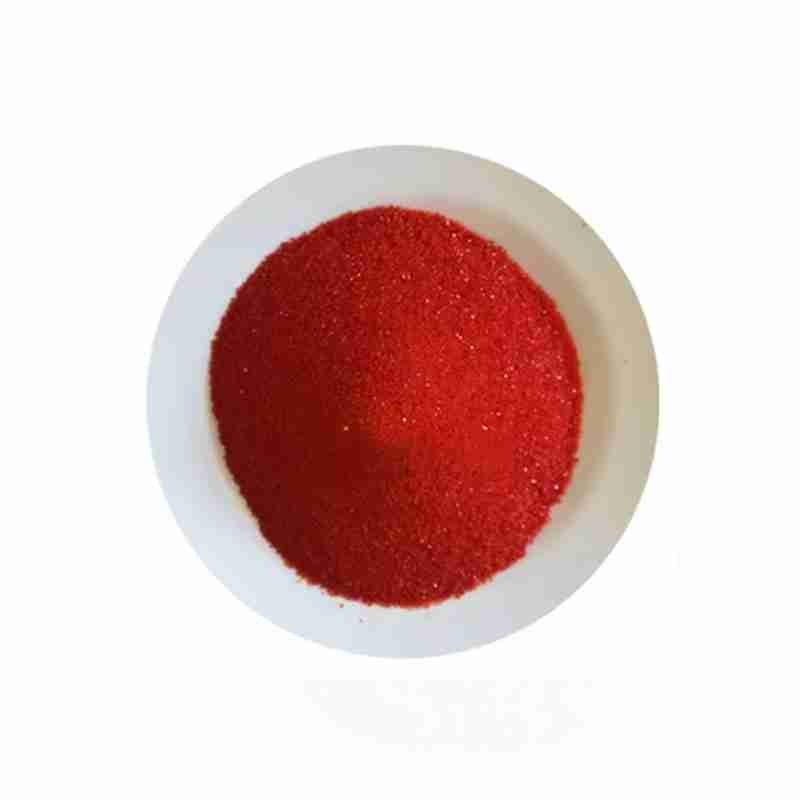
Ferric oxide exists in nature in the form of hematite. It is the main iron ore for producing metals and their alloys. Moreover, this oxide exists in the mineral limonite 2Fe2O3 ?? 3H2O. One important application of this compound involves the production of red, orange, and yellow pigments. Other applications include coatings for metals, steel, and rubber; In the field of ceramics; And as a catalyst for oxidation reactions.
Ferric oxide is synthesized and mainly composed of anhydrous and/or hydrated iron oxide. The color range includes yellow, red, brown, and black. The main difference between food grade iron oxide and industrial grade iron oxide is that the pollution level of other metals is relatively low. This is achieved by selecting and controlling iron sources and/or the degree of chemical purification during the manufacturing process. Iron oxide has been used for coloring fillings and decorations in candies, pastry products, cheese products, fish sauce, pet food, cosmetics, and pharmaceuticals.
-
Fluorescein CAS #2321-07-5阅读更多
Fluorescein is a synthetic organic compound that appears as a dark orange/red powder and is slightly soluble in water and alcohol. It is widely used as a fluorescent tracer for many applications.
Fluorescein is a fluorescent group commonly used in microscopes, dye lasers as gain media, forensic and serological detection of potential blood stains, and dye tracing. The maximum absorption wavelength of fluorescein is 494 nm, and the maximum emission wavelength is 521 nm (in water). The main derivatives are fluorescein isothiocyanate (FITC) and 6-FAM phosphorous amide in oligonucleotide synthesis.
-
Glycerol CAS #56-81-5阅读更多
Pure glycerol appears as colorless, odorless and sweet viscous liquid. Boiling point: 290 ?? C, melting point: 17.9 ?? C, the relative density: 1.2613. It can be miscible with water infinitely. It can be dissolved in 11 times ethyl acetate, about 500 times ether. It is insoluble in benzene, chloroform, carbon tetrachloride, carbon disulfide, petroleum ether and oil. Anhydrous glycerol has a strong water absorption property.
Glycerol is weakly acidic, being able to react with alkaline hydroxide. For example, it reaction with copper hydroxide can produce bright blue cupric glycerinate (can be used to identify polyols). Glycerol can react with nitric acid to generate glyceryl trinitrate, also known as nitroglycerin, being a strong explosive. -
HEPES Buffer CAS #7365-45-9阅读更多
HEPES buffer(4 ?C (2-hydroxyethyl) ?C 1-piperazine ethanesulfonic acid) is a zwitterionic sulfonic acid buffer; One of good??s 20 buffers. Hepes buffer is widely used in cell culture, mainly because it can maintain physiological pH value better than bicarbonate buffer, which is also commonly used in cell culture, although the concentration of carbon dioxide (produced by aerobic respiration) changes. Lepe Zuniga et al. An unwanted photochemical process in which hepes buffer produces hydrogen peroxide when exposed to ambient light is reported, which is not a problem in bicarbonate based cell culture buffer. Therefore, it is strongly recommended to place the solution containing hepes buffer in the dark as far as possible to prevent oxidation.
-
Huperzine A CAS# 102518-79-6阅读更多
Huperzine A is a natural plant extract. Compared with similar AD treatment drugs approved by the US FDA, Huperzine A has a unique chemical structure and has extremely high selectivity to inhibit acetylcholinesterase in the brain and enhance cholinergic in the brain. function of neurons. In addition, Huperzine A has obvious effects on improving memory and improving cognitive ability.
Huperzine A has a small relative molecular weight, high lipid solubility, and is easy to pass through the blood-brain barrier. After entering the central nervous system, it is mostly distributed in the frontal lobe, temporal lobe, hippocampus and other parts of the brain. Its pharmacological effects have multiple targets. In addition to inhibiting the activity of acetylcholinesterase, it can also antagonize oxidative stress and apoptosis induced by ??-amyloid peptide (A??), hydrogen peroxide and other neurotoxins, by activating the protein kinase C (PKC) signal transduction pathway. Activation of ??-secretase promotes the decomposition of ??-amyloid precursor protein (APP) in a non-amyloidogenic manner to produce sAPP??, reducing A??-mediated toxicity, while sAPP?? can effectively promote cell proliferation, axonal growth, and protect nerves. cell.
-
Hydrocoumarin CAS# 119-84-6阅读更多
Dihydrocoumarin is also known as 1,2-benzodihydropyranone, Tonkamel, and Melilotine. Natural products exist in Melilotus officinalis. It has a coumarin-like aroma at room temperature and a nitrobenzene smell at high temperatures. It has a spicy taste. It is a colorless or light yellow viscous liquid, or leaf-shaped crystals. Relative molecular weight 148.17. Relative density 1.169 (18??C). Melting point 25??C. Boiling point 272??C, 145??C (2.400??103Pa). Refractive index 1.5563. Flash point 130??C. It is slightly soluble in water, soluble in ethanol and ether, and easily soluble in chloroform. Vapor irritates the skin, eyes and respiratory tract. The oral LD50 of rats is 1460mg/kg.
-
Hydrogenated Lecithin CAS #92128-87-5阅读更多
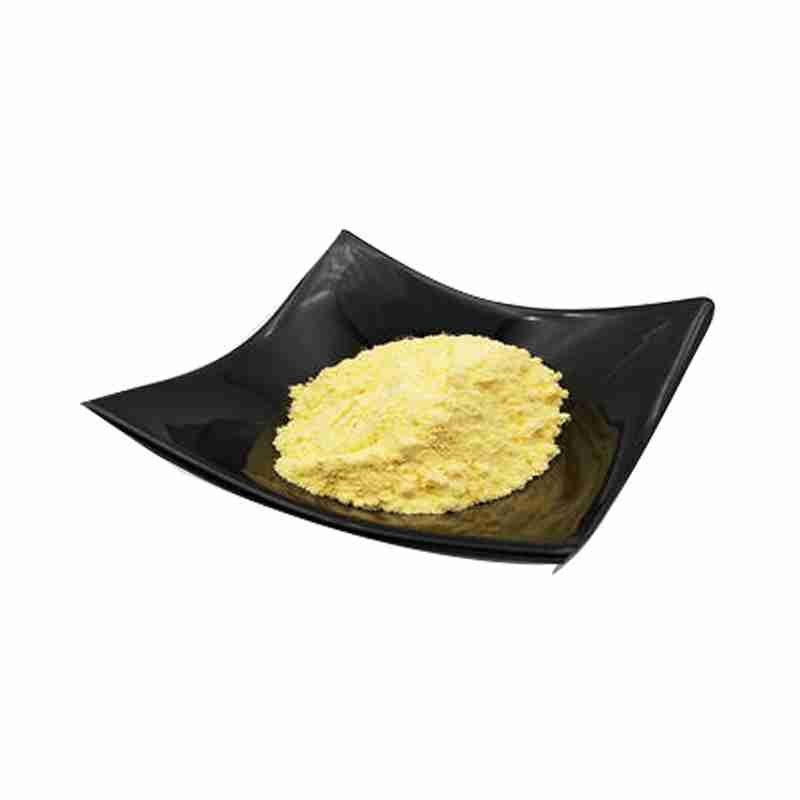
Hydrogenated lecithin is light yellow or milky white powder. Due to the use of catalysis and hydrogenation processes, the unsaturated chains of unsaturated fatty acids in the molecular structure of soybean lecithin disappear, thereby greatly improving the chemical stability, dispersibility, and emulsification of lecithin. It has decolorization and deodorization effects, which is more conducive to storage and preservation, and improves its role in medicine, high-end cosmetics, and light industry. It is especially suitable for intravenous fat emulsifiers and nutrients. It is used as a blood lipid emulsifier to prevent arteriosclerosis, and has the advantages of being easy to digest, easy to absorb, and almost not remaining in the internal organs.
-
Hydroxyethyl Cellulose CAS# 9004-62-0阅读更多
Hydroxyethyl cellulose is a commonly used cellulose ether organic water-based ink thickener. It is a water-soluble non-ionic compound. It has good thickening ability for water and can be degraded by oxygen, acid and enzyme. It can be cross-linked by Cu2+ under chemical conditions. It is stable to heat, does not gel when heated, does not precipitate under acidic conditions, and has good film-forming properties. Its aqueous solution can be made into a transparent film, which can be formed by the interaction of alkaline cellulose and ethylene oxide.
-
Hydroxypropyl Methyl Cellulose CAS# 9004-65-3阅读更多
Hydroxypropyl methylcellulose (INN) is an abbreviation for hydroxypropyl methylcellulose (HPMC). It is a semi synthetic, inert, viscoelastic polymer used in eye drops, as well as an excipient and controlled release component in oral medications. It is present in various commercial products.
As a food additive, hydroxypropyl methylcellulose is an emulsifier, thickener, and suspension agent, and a substitute for animal gelatin. Its Codex Alimentarius code (E number) is E464.
-
Hydroxytyrosol CAS#10597-60-1阅读更多
Hydroxytyrosol has anti-inflammatory effects, dilates blood vessels and antibacterial effects, can prevent atherosclerosis, can reduce the incidence of certain cancers (such as breast, prostate, endometrial, digestive tract); Due to its strong antioxidant activity and the effect of reducing the incidence of cancer, hydroxytyrosol has great prospects for medical use. Hydroxytyrosol is a tyrosol metabolite that is also found in olive oil and contains strong antioxidant propertie.
-
Hydroxytyrosol CAS#10597-60-1阅读更多
Hydroxytyrosol, a potent antioxidant polyphenol derived from olives, is celebrated for its health-promoting properties. Highly valued in the nutraceutical, cosmetic, and pharmaceutical sectors, it contributes to the development of products that support well-being and skin health.
-
Hydroxytyrosol CAS#10597-60-1阅读更多
Hydroxytyrosol, a potent antioxidant polyphenol derived from olives, is celebrated for its health-promoting properties. Highly valued in the nutraceutical, cosmetic, and pharmaceutical sectors, it contributes to the development of products that support well-being and skin health.
-
Idebenone CAS 58186-27-9阅读更多Featured
Idebenone is an organic compound with the chemical name: 6-(10-hydroxydecyl)-2,3-dimethoxy-5-methyl-1,4-benzoquinone. It is a structural analogue of coenzyme Q10 and is developed by Takeda Pharmaceuticals as a drug for the treatment of cognitive diseases such as Alzheimer??s disease.
Idebenone has an activating effect on mitochondrial function, improves brain metabolism and brain dysfunction, and can increase the utilization rate of glucose in the brain and promote the generation of ATP; it improves the metabolism of the neurotransmitter 5-hydroxytryptamine in the brain and has a strong antioxidant and free radical scavenging effect. In clinical practice, it is mainly used to treat many central nervous system degenerative diseases related to oxidative stress, such as Parkinson??s disease, Alzheimer??s disease, multi-infarct dementia, local cerebral anemia and brain failure, etc. It is also used to treat Friedreich??s ataxia. It can also be used in cosmetic formulas, with cosmetic efficacy such as scavenging free radicals, inhibiting lipid peroxidation, inhibiting inflammation, inhibiting DNA damage, light protection, and reducing pigmentation.
-
Imidazolidine CAS#504-74-5阅读更多
Imidazolidine is a versatile heterocyclic amine compound, prized for its chemical stability and reactivity in synthesis processes. Widely utilized as a key intermediate in pharmaceuticals, agrochemicals, and various chemical formulations, it offers a reliable foundation for developing innovative products.
-
Imidazolidine CAS#504-74-5阅读更多
Imidazolidine is a versatile heterocyclic amine compound, prized for its chemical stability and reactivity in synthesis processes. Widely utilized as a key intermediate in pharmaceuticals, agrochemicals, and various chemical formulations, it offers a reliable foundation for developing innovative products.