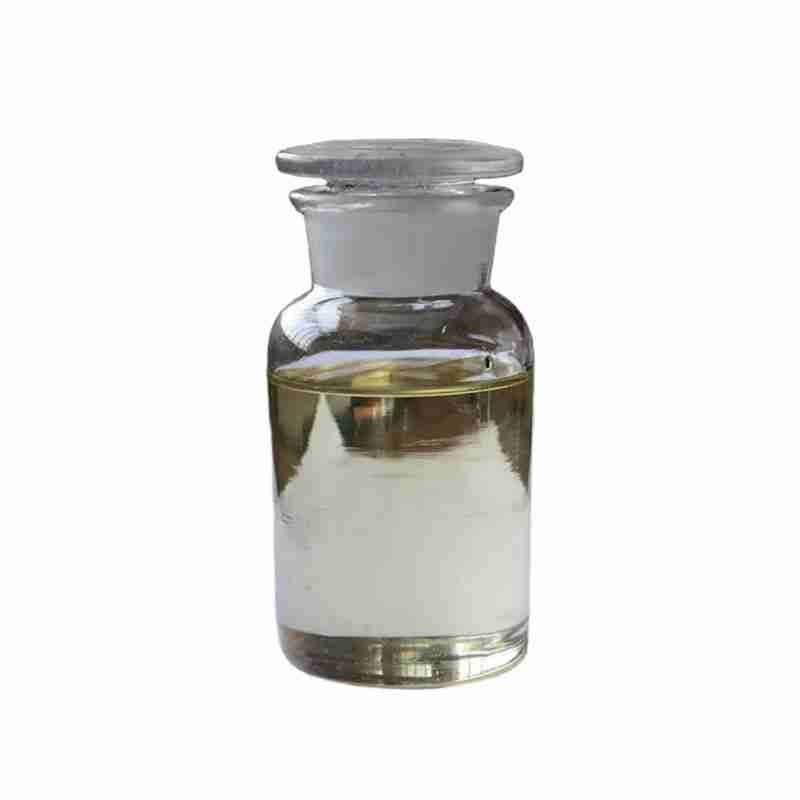
Glycerol CAS #56-81-5

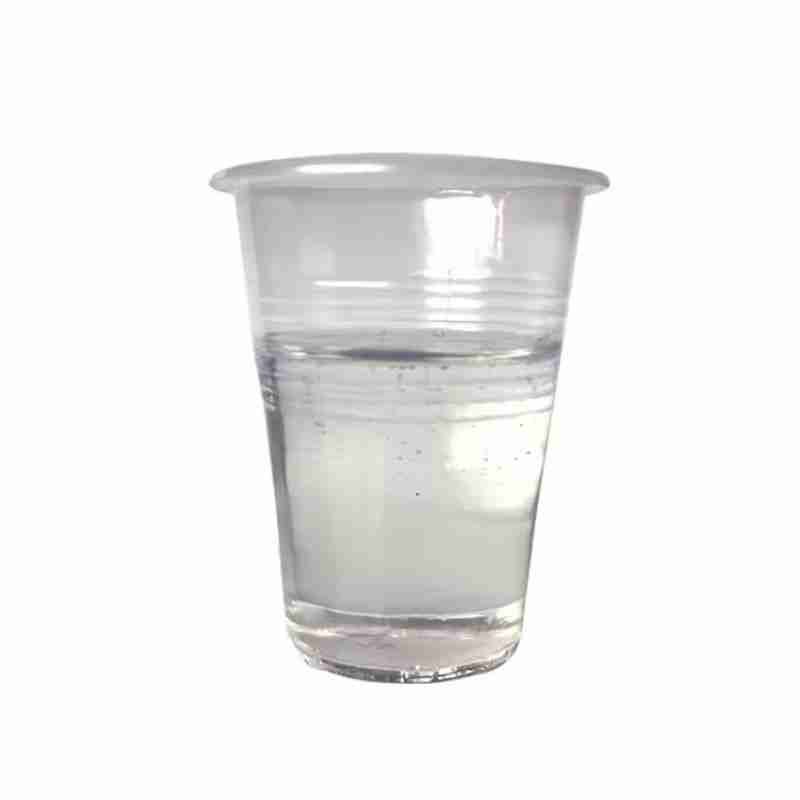
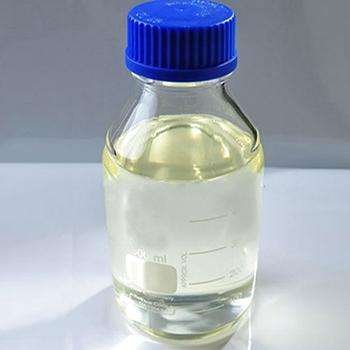
Pure glycerol appears as colorless, odorless and sweet viscous liquid. Boiling point: 290 ?? C, melting point: 17.9 ?? C, the relative density: 1.2613. It can be miscible with water infinitely. It can be dissolved in 11 times ethyl acetate, about 500 times ether. It is insoluble in benzene, chloroform, carbon tetrachloride, carbon disulfide, petroleum ether and oil. Anhydrous glycerol has a strong water absorption property.
Glycerol is weakly acidic, being able to react with alkaline hydroxide. For example, it reaction with copper hydroxide can produce bright blue cupric glycerinate (can be used to identify polyols). Glycerol can react with nitric acid to generate glyceryl trinitrate, also known as nitroglycerin, being a strong explosive.
Glycerol CAS #56-81-5
| Glycerol Basic information |
| Physical and chemical properties?Pharmacological effects?Usage and Dosage?Adverse reactions?Precautions?Preparation and specifications?Glycerol esterification?Content analysis?Toxicity?Usage limit?Application?Preparation?Category?Explosive hazardous characteristics?Acute toxicity?Flammability and Hazardous characteristics?Storage?Fire extinguishing agent?Occupational standard |
| Product Name: | Glycerol |
| Synonyms: | glycerin(mist);Glycerin, anhydrous;Glycerin, synthetic;glycerin,anhydrous;glycerin,synthetic;Glycerin, Exceeds A.C.S. Specifications, SpectroSolv (TM);Glycerol, 20% (Sterile solution);Glycerol ACS reagent, >=99.5% |
| CAS: | 56-81-5 |
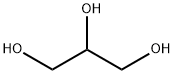
| MF: | C3H8O3 |
| MW: | 92.09 |
| EINECS: | 200-289-5 |
| Product Categories: | Solvent by Application;Aliphatics;Matrix Materials (FABMS & liquid SIMS);Analytical Chemistry;Mass Spectrometry;Biochemistry;Reagents for Electrophoresis;ACS and Reagent Grade Solvents;Aliphatic Compounds;Aloe Vera;Lipid;Lipid Library;Metabolic Libraries;Metabolic Pathways;Metabolites and Cofactors on the Metabolic Pathways Chart;Metabolomics;Nutrition Research;Phytochemicals by Chemical Classification;Phytochemicals by Plant (Food/Spice/Herb);Plastic Bottles;ReagentPlus Solvent Grade Products;Analytical Reagents;Analytical Reagents for General Use;Analytical/Chromatography;E-H;Puriss p.a.;ACS Grade;E-L;Puriss p.a. ACS;Solvent Packaging Options;Solvents;Spectrophotometric Grade;Spectrophotometric Solvents;Spectroscopy Solvents (IR;UV/Vis);Amber Glass Bottles;NMR;Solvent Bottles;Elisa Kit-Mouse Elisa Kit |
| Mol File: | 56-81-5.mol |
 |
|
| Glycerol Chemical Properties |
| Melting point | 20???C(lit.) |
| Boiling point | 290 ??C |
| density | 1.25 g/mL(lit.) |
| vapor density | 3.1 (vs air) |
| vapor pressure | <1 mm Hg ( 20 ??C) |
| FEMA | 2525 | GLYCEROL |
| refractive index | n20/D?1.474(lit.) |
| Fp | 320???F |
| storage temp. | Store at +5??C to +30??C. |
| solubility | H2O: 5?M at?20???C, clear, colorless |
| pka | 14.15(at 25??) |
| form | Viscous Liquid |
| color | APHA: ??10 |
| Specific Gravity | 1.265 (15/15??)1.262 |
| Odor | Odorless. |
| PH Range | 5.5 – 8 |
| PH | 5.5-8 (25??, 5M in H2O) |
| explosive limit | 2.6-11.3%(V) |
| Odor Type | odorless |
| Water Solubility | >500 g/L (20 oC) |
| Sensitive | Hygroscopic |
| ??max | ??: 260 nm Amax: 0.05 ??: 280 nm Amax: 0.04 |
| Merck | 14,4484 |
| JECFA Number | 909 |
| BRN | 635685 |
| Dielectric constant | 47.0??Ambient?? |
| Exposure limits | OSHA: TWA 15 mg/m3; TWA 5 mg/m3 |
| Stability: | Stable. Incompatible with perchloric acid, lead oxide, acetic anhydride, nitrobenzene, chlorine, peroxides, strong acids, strong bases. Combustible. |
| InChIKey | PEDCQBHIVMGVHV-UHFFFAOYSA-N |
| LogP | -2.32 |
| CAS DataBase Reference | 56-81-5(CAS DataBase Reference) |
| NIST Chemistry Reference | 1,2,3-Propanetriol(56-81-5) |
| EPA Substance Registry System | Glycerine (56-81-5) |
Related Products
Chemical Name: Dehydrocholic acid
Synonyms: Acide dehydrocholique; Triketocholanic acid
CAS No.: 81-23-2
Molecular Formula: C24H34O5
Molecular Weight: 402.53
Appearance: Powder
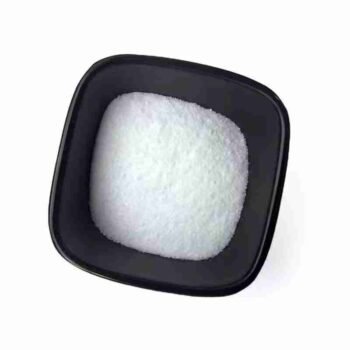
POLY(VINYL CHLORIDE-CO-ISOBUTYL VINYL ETHER) is a copolymer that combines the properties of vinyl chloride and isobutyl vinyl ether. This polymer offers a balance of rigidity and flexibility, along with enhanced chemical resistance and durability. It is commonly used in the production of films, coatings, and adhesives due to its excellent barrier properties against gases and moisture, making it ideal for packaging and construction applications.
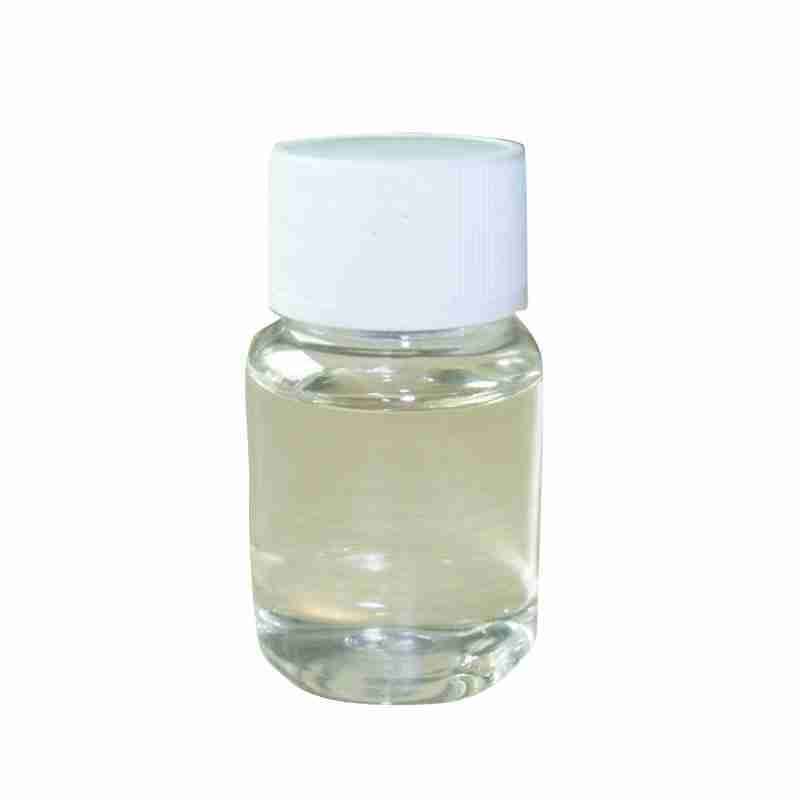
3,4-Ethylenedioxythiophene is a synthetic organic compound characterized by its unique structure that includes a thiophene ring with ethylenedioxy substituents at the 3 and 4 positions. This compound is known for its potential applications in the synthesis of various organic materials, including pharmaceuticals and organic electronic devices such as sensors and solar cells. Its stability and reactivity make it a versatile intermediate in the chemical industry.

Chemical Name: 3-Hydroxybutyric acid
CAS No.: 625-71-8
Molecular Formula: C4H8O3
Molecular Weight: 104.1
Appearance: White powder
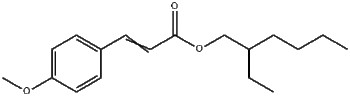
Octyl 4-methoxycinnamate, scientifically known as 2-Ethylhexyl 4-Methoxycinnamate, is a highly effective organic UV filter commonly used in the formulation of sunscreens and cosmetic products. This compound is renowned for its ability to absorb ultraviolet B (UVB) radiation, providing a reliable defense against the sun’s harmful effects on the skin.
Characterized by its chemical formula C19H28O3, Octyl 4-methoxycinnamate is a liquid ester that is readily soluble in organic solvents. It is valued for its photostability, which means it maintains its protective properties even after prolonged exposure to sunlight. This feature makes it an ideal ingredient for products designed to offer long-lasting sun protection.
In addition to its UVB absorption capabilities, Octyl 4-methoxycinnamate is also appreciated for its compatibility with other UV filters, allowing for the creation of broad-spectrum sunscreens. It contributes to the development of formulations that are non-greasy and cosmetically elegant, suitable for a variety of skin types.
As a key component in sun care products, Octyl 4-methoxycinnamate supports the skin’s health by preventing sunburn, reducing the risk of skin cancer, and delaying the signs of photoaging. Its safety profile and efficacy make it a preferred choice in the personal care and dermatological industries for sun protection solutions.
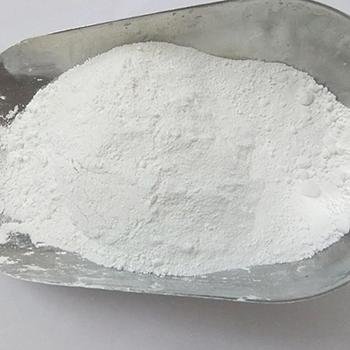
Product name:Cyclopentane
Purity:96%
Appearance:White powder
Package:25kg/bag
Sample:Available

Benzothiazoles are a class of chemical compounds characterized by a fused benzene and thiazole ring. They exhibit a broad spectrum of applications, particularly as antioxidants in rubber and plastic industries, enhancing product longevity and performance. Additionally, benzothiazoles serve as key intermediates in the synthesis of pharmaceuticals, contributing to the development of life-saving drugs. Recognized for their stability and reactivity, these compounds are integral to advancing material science and healthcare solutions.
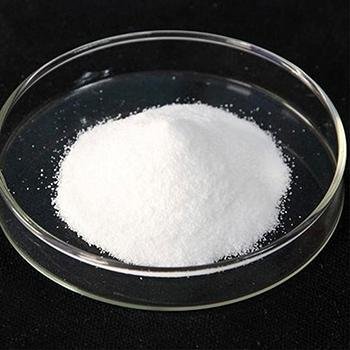
Chemical Name: UV-120
Other Name: (2’,4’-Di-tert-butylphenyl 3,5-di-tert-butyl-4-hydroxybenzoate)
CAS No.: 4221-80-1
Molecular Fomula: C29H42O3
Molecular weight: 438.66
Assay: ≥99%(LC)
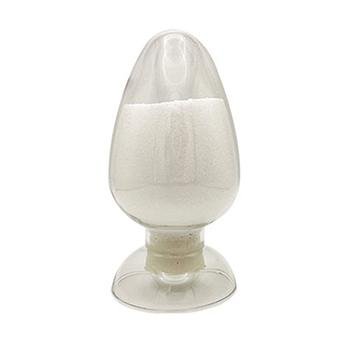
Chemical Name: Imazalil Sulfate
CAS No.: 58594-72-2
Molecular Formula: C14H14Cl2N2O.H2SO4
Molecular Weight: 395.26
Appearance: Solid
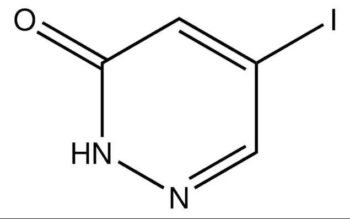
Common English name: 5-iodo-2,3-dihydropyridazin-3-one
CAS No.: 825633-94-1
Molecular formula: C4H3IN2O
Molecular weight: 221.98
Sample: Available
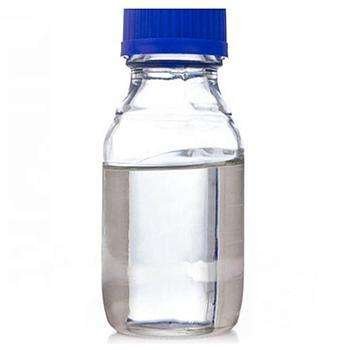
Chemical Name: STODDARD SOLVENT
CAS No.: 64742-88-7
Appearance: Colorless or Light Yellow Liquid
Chemical Name: 1,1,2,2-Tetrachloroethane
Other Name: Tetrachlorethane
CAS No.: 79-34-5
Molecular Formula: C2H2Cl4
Molecular Weight: 167.85
Appearance: Liquid