
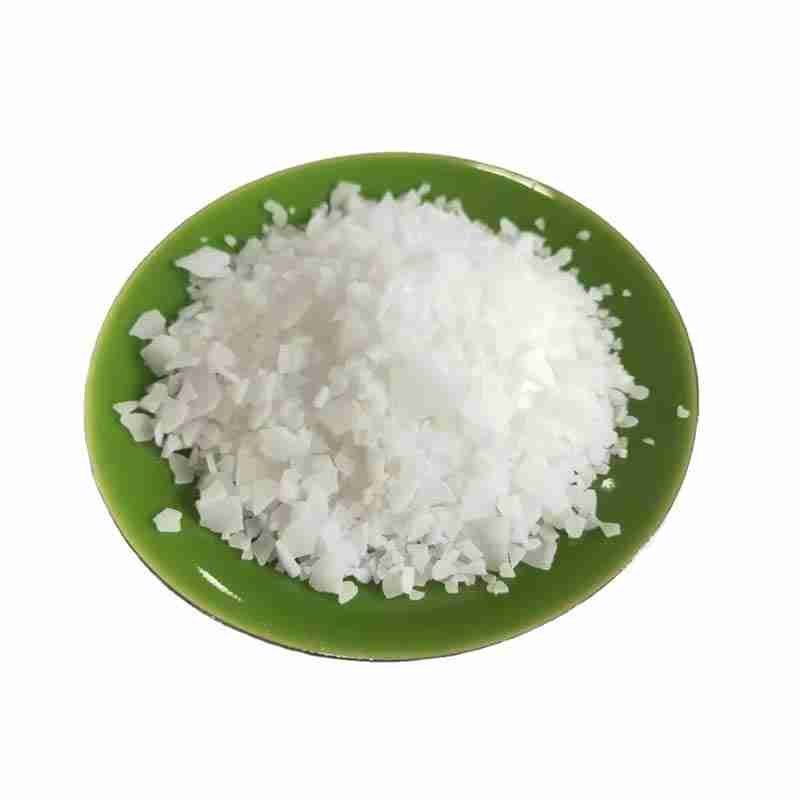
Ethylene Glycol Distearate CAS# 627-83-8

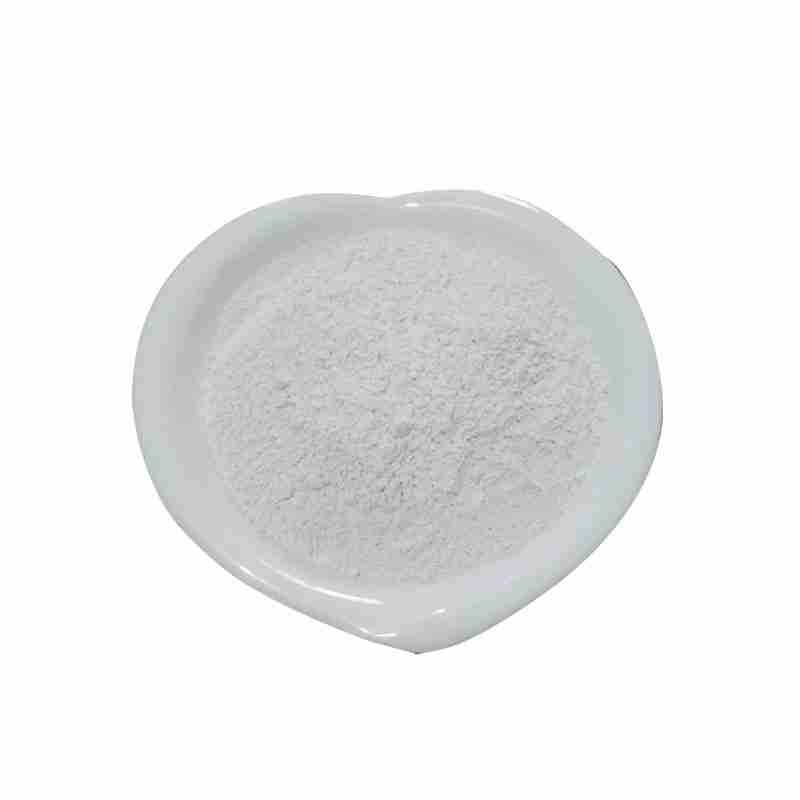
Glycol distearate, likewise known as ethylene glycol distearate, is a chemical commonly used as an aesthetic moisturizer. It is a diester of ethylene glycol and also stearic acid. Used as a pearlescent representative in cosmetics to create a pearlescent sheen, such as shower gels. It can additionally be utilized as a lipophilic emulsifier. Usually used in combination with ethylene glycol monostearate (EGMS, ethylene glycol stearate).
Ethylene glycol distearate is synthesized from ethylene glycol and stearate. The response temperature of the standard synthesis procedure is high, generally between (150 ?? 210 ?? C). In order to remove the water produced by the reaction, steps such as nitrogen circulation, minimized pressure or azeotropic dehydration are called for. Due to the high reaction temperature, serious carbonization and also deep color of the item, extra decolorization procedure is required. There are studies using p-toluenesulfonic acid as well as phosphorous acid (molar ratio 1:1) as a composite driver (hereinafter described as composite stimulant) for esterification, as well as the 3 factors of catalyst usage, reaction temperature level, and response time are experimentally researched. A brand-new synthesis procedure of ethylene glycol distearate was developed.
Ethylene Glycol Distearate CAS# 627-83-8
| ETHYLENE GLYCOL DISTEARATE Basic information |
| Product Name: | ETHYLENE GLYCOL DISTEARATE |
| Synonyms: | Alkamuls EGDS;Elfan L 310;Emerest 2355;Ethylene glycol dioctadecanoate;Ethylene glycol distearate VA;ETHYLENE GLYCOL DISTEARATE;ETHYLENE DISTEARATE;1,2-distearoyloxyethane |
| CAS: | 627-83-8 |
| MF: | C38H74O4 |
| MW: | 594.99 |
| EINECS: | 211-014-3 |
| Product Categories: | cosmetics additives;627-83-8 |
| Mol File: | 627-83-8.mol |
 |
|
| ETHYLENE GLYCOL DISTEARATE Chemical Properties |
| Melting point | 79??C |
| Boiling point | 567.52??C (rough estimate) |
| density | 0.8581 |
| refractive index | 1.4760 (estimate) |
| InChI | InChI=1S/C38H74O4/c1-3-5-7-9-11-13-15-17-19-21-23-25-27-29-31-33-37(39)41-35-36-42-38(40)34-32-30-28-26-24-22-20-18-16-14-12-10-8-6-4-2/h3-36H2,1-2H3 |
| InChIKey | FPVVYTCTZKCSOJ-UHFFFAOYSA-N |
| SMILES | C(OC(=O)CCCCCCCCCCCCCCCCC)COC(=O)CCCCCCCCCCCCCCCCC |
| LogP | 16.525 (est) |
| EPA Substance Registry System | Ethylene glycol distearate (627-83-8) |
| Safety Information |
| MSDS Information |
| ETHYLENE GLYCOL DISTEARATE Usage And Synthesis |
| Chemical Properties | Beads |
| Uses | Ethylene Glycol Distearate is used in the making of face wash and shampoo. |
| Uses | Ethylene glycol distearate is suggested for use as an opacifier, pearlescing agent and viscosity modifier in cosmetic formulations and household product formulations. |
| Definition | Pearlizing agents. |
| Flammability and Explosibility | Non flammable |
| Solubility in water | Ethylene?glycol?distearate? is?almost?insoluble?in?water,?soluble?in?alcohol,?acetone?and?ethyl?ether. |
| Purification Methods | Crystallise the ester from *benzene/MeOH, diethyl ether/MeOH or Me2CO and dry it in a vacuum desiccator. It forms an inclusion compound with 31 mols of urea. [McGreer et al. J Am Chem Soc 74 3541 1952, Beilstein 2 H 380, 2 II 354, 2 III 1021, 2 IV 1223.] |
Related Products

Chemical Name: o-Xylene
Synonyms: 1,2-Dimethylbenzene; ortho-xylene
CAS No.: 95-47-6
Molecular Formula: C8H10
Molecular Weight: 106.17

Chemical Name: 1,1,2,2-Tetrachloroethane
Other Name: Tetrachlorethane
CAS No.: 79-34-5
Molecular Formula: C2H2Cl4
Molecular Weight: 167.85
Appearance: Liquid
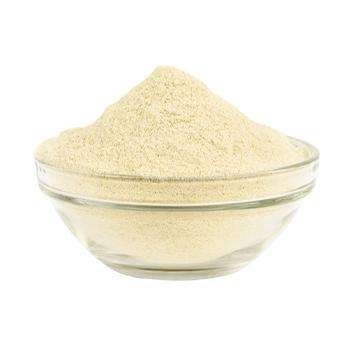
Chemical Name: Arabic gum
CAS No.: 9000-01-5
Appearance: powder

Polyhexamethylene guanidine hydrochloride, often abbreviated as PHMG-HCl, is a high molecular weight polymeric biguanide compound known for its potent antimicrobial properties. With a chemical structure that features a long chain of methylene groups bridged by guanidine units, PHMG-HCl is effective against a broad spectrum of microorganisms, including bacteria, viruses, and fungi.
This hydrochloride salt form of PHMG is highly soluble in water and is commonly used in various applications due to its non-irritant and non-toxic nature to human skin and mucous membranes. It is widely recognized for its ability to form a colorless and odorless solution, making it an ideal choice for use in personal care products, medical disinfectants, and water treatment processes.
The versatility of PHMG-HCl lies in its cationic nature, which allows it to bind to negatively charged microbial cell walls, disrupting their integrity and leading to cell death. This mechanism of action contributes to its effectiveness as a preservative and disinfectant. Moreover, its substantivity, or the ability to adhere to surfaces, enhances its long-lasting antimicrobial activity.
In summary, Polyhexamethylene guanidine hydrochloride is a reliable and efficient antimicrobial agent, pivotal in industries where hygiene and cleanliness are paramount, offering a safe and sustainable solution for microbial control.
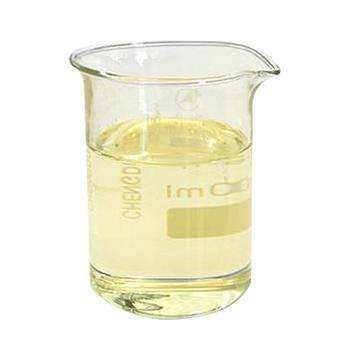
Chemical Name: Potassium Castorate
CAS No.: 8013-05-6
Molecular Formula: C57H107K3O12
Molecular Weight: 1101.74718
Appearance: Yellow Liquid
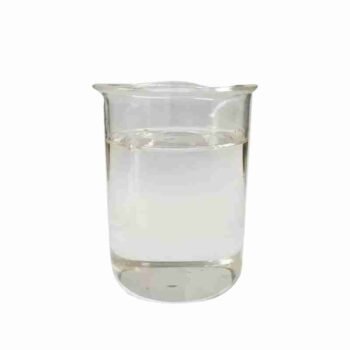
Silicones are a family of synthetic polymers known for their versatility and stability. They are heat-resistant, non-toxic, and have excellent electrical insulation properties. Commonly used in various industries such as construction, automotive, aerospace, and personal care products, silicones offer a wide range of applications from sealants and adhesives to lubricants and medical devices. Their resistance to extreme temperatures and weathering makes them a preferred choice for many high-performance applications.
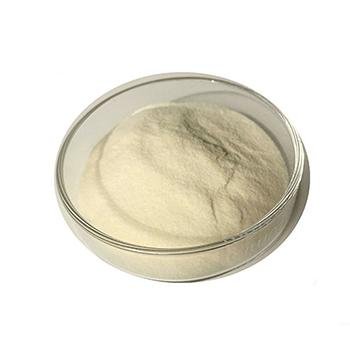
Chemical Name: Quercetin-3-O-sophoroside
CAS No.: 18609-17-1
Molecular Formula: C27H30O17
Molecular Weight: 626.52

Butylated Hydroxytoluene (BHT) is a synthetic phenolic antioxidant commonly added to foods, cosmetics, and packaging to prevent the oxidation of fats and oils, thereby extending their shelf life. It is also used as a preservative in a variety of products, including rubber, petroleum products, and animal feed. BHT is recognized for its effectiveness in maintaining nutrient levels, color, flavor, and odor in food products . It is known to have a melting point of 69-71??C, a boiling point of 265??C, and is soluble in ethanol, acetone, and benzene, but not in water, glycerin, or propylene glycol . BHT is also used in some dietary supplements due to its antioxidant properties . However, it is important to handle BHT with care, as it can cause skin irritation and is considered harmful if swallowed .
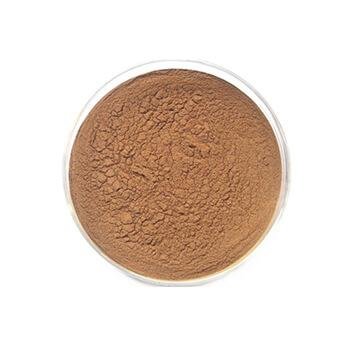
Chemical Name: Ashwagandha Extract
Synonyms: Withania somnifera, ext.; Withania Somnefera Extract
CAS: 90147-43-6
Appearance: Brown
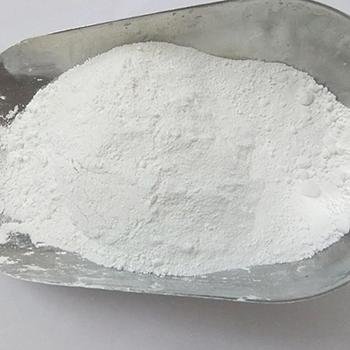
Product name:Cyclopentane
Purity:96%
Appearance:White powder
Package:25kg/bag
Sample:Available
1-Octanol, also known as Capryl alcohol or n-Octanol, is a clear, colorless liquid with a characteristic waxy odor. It is an alcohol with eight carbon atoms in its chain, making it a part of the aliphatic alcohol family. This compound is poorly soluble in water but is miscible with ethanol, diethyl ether, and chloroform . It has a melting point of approximately -15??C and a boiling point of around 196??C . 1-Octanol is used in the production of esters, plasticizers, and as a solvent or intermediate in the synthesis of various organic compounds. It also finds application in the fragrance industry as a fixative in perfumes and can be used in the formulation of flavor and scent compositions . It is important to note that 1-Octanol is flammable and should be handled with care, storing it away from sources of ignition and heat .
Tetraacetylethylenediamine is a fully acetylated derivative of ethylenediamine, offering a high reactivity as an intermediate in organic synthesis. Its unique structure makes it a critical component in the production of specialty chemicals and pharmaceuticals, ensuring a wide range of applications in the chemical industry.


