
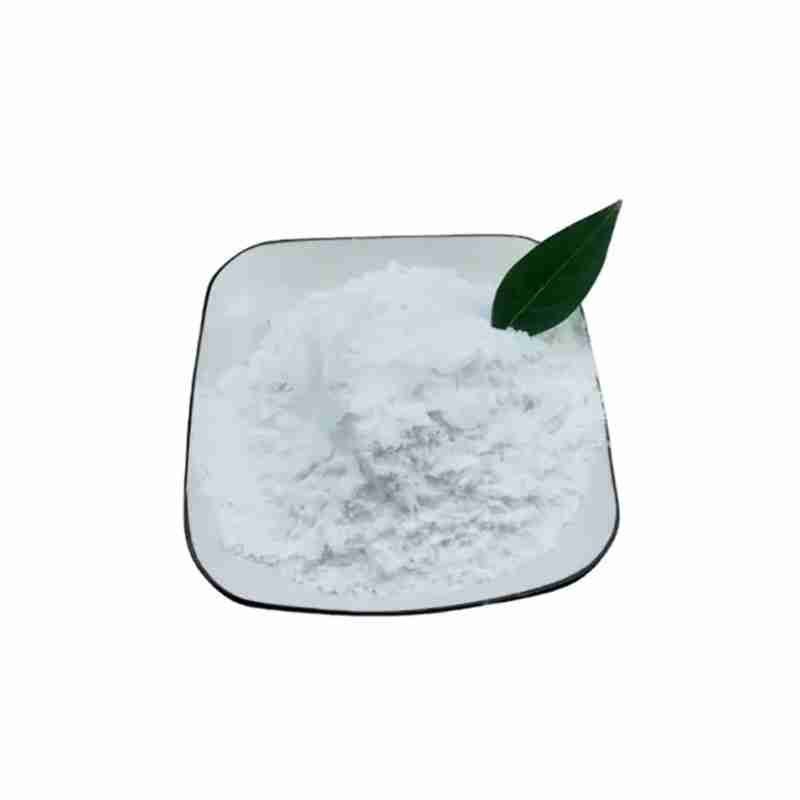
Hydroxyethyl Cellulose CAS# 9004-62-0
Hydroxyethyl cellulose is a commonly used cellulose ether organic water-based ink thickener. It is a water-soluble non-ionic compound. It has good thickening ability for water and can be degraded by oxygen, acid and enzyme. It can be cross-linked by Cu2+ under chemical conditions. It is stable to heat, does not gel when heated, does not precipitate under acidic conditions, and has good film-forming properties. Its aqueous solution can be made into a transparent film, which can be formed by the interaction of alkaline cellulose and ethylene oxide.
Hydroxyethyl Cellulose CAS# 9004-62-0
| Hydroxyethyl Cellulose Basic information |
| Thickeners and binders?Chemical properties?Uses?Production methods |
| Product Name: | Hydroxyethyl Cellulose |
| Synonyms: | ah15;aw15(polysaccharide);aw15[polysaccharide];bl15;Natrosol L 250;hydrdoxyethyl cellulose;2-HYDROXYETHYL CELLULOSE, AVERAGE MV CA. 90,000;2-HYDROXYETHYL CELLULOSE, AVERAGE MV CA. 1,300,000 |
| CAS: | 9004-62-0 |
| MF: | C29H52O21 |
| MW: | 0 |
| EINECS: | 618-387-5 |
| Product Categories: | Cellulose;pharmaceutical,food,Construction;Carbohydrates;Carbohydrates A to;Carbohydrates H-LBiochemicals and Reagents;Polysaccharide;Cnbio;Materials Science;Natural Polymers;Polymer Science;Polymers;Natural Polymers;Polymer Science;cosmetic;Disinfectants;bc0001;9004-62-0;HEC |
| Mol File: | Mol File |
| Hydroxyethyl Cellulose Chemical Properties |
| Melting point | 288-290???C (dec.) |
| density | 0.75?g/mL?at 25???C(lit.) |
| storage temp. | 2-8??C |
| solubility | H2O: ??5?wt. % at?20???C |
| form | powder |
| color | hite to yellowish fibrous |
| Odor | Odorless |
| PH | pH(20g/l,25??) : 5.0??8.0 |
| Water Solubility | almost transparency |
| Merck | 14,4673 |
| Stability: | Stable. Incompatible with strong oxidizing agents, acid chlorides, acid anhydrides |
| InChIKey | CWSZBVAUYPTXTG-UHFFFAOYSA-N |
| SMILES | O1C(CO)C(OC2C(O)C(O)C(OC3C(OCCO)C(O)C(OC)C(CO)O3)C(COC3C(O)C(O)C(OC)C(CO)O3)O2)C(O)C(O)C1C |
| CAS DataBase Reference | 9004-62-0(CAS DataBase Reference) |
| EPA Substance Registry System | 2-Hydroxyethyl cellulose (9004-62-0) |
| Safety Information |
| Hazard Codes | T |
| Risk Statements | 23/24/25-36/37/38 |
| Safety Statements | 26-36-45-24/25-22 |
| WGK Germany | 3 |
| RTECS | FJ5958000 |
| F | 3 |
| Autoignition Temperature | 725 ??F |
| HS Code | 39123980 |
| Hazardous Substances Data | 9004-62-0(Hazardous Substances Data) |
| Toxicity | LDLo intravenous in women: 5100mg/kg/6D- |
Related Products

Chemical Name: Imazalil Sulfate
CAS No.: 58594-72-2
Molecular Formula: C14H14Cl2N2O.H2SO4
Molecular Weight: 395.26
Appearance: Solid

Chemical Name: Potassium Castorate
CAS No.: 8013-05-6
Molecular Formula: C57H107K3O12
Molecular Weight: 1101.74718
Appearance: Yellow Liquid

Ethylhexyl Palmitate is a skin-conditioning ester, derived from ethylhexanol and palmitic acid, that imparts moisturization and a smooth texture to cosmetic and personal care formulations. It is valued for its emollient properties, enhancing the sensory experience of skin care products.
POLY(VINYL CHLORIDE-CO-ISOBUTYL VINYL ETHER) is a copolymer that combines the properties of vinyl chloride and isobutyl vinyl ether. This polymer offers a balance of rigidity and flexibility, along with enhanced chemical resistance and durability. It is commonly used in the production of films, coatings, and adhesives due to its excellent barrier properties against gases and moisture, making it ideal for packaging and construction applications.

N,N-Dimethylaniline is an organic compound with amine and methyl groups attached to a benzene ring. It is a colorless liquid with a characteristic amine odor. This compound is primarily used as a chemical intermediate in the synthesis of dyes, pigments, and polymers. Its reactivity makes it a valuable building block in the production of various organic compounds, particularly in the pharmaceutical and chemical industries.

Chemical Name: o-Xylene
Synonyms: 1,2-Dimethylbenzene; ortho-xylene
CAS No.: 95-47-6
Molecular Formula: C8H10
Molecular Weight: 106.17
1-Octanol, also known as Capryl alcohol or n-Octanol, is a clear, colorless liquid with a characteristic waxy odor. It is an alcohol with eight carbon atoms in its chain, making it a part of the aliphatic alcohol family. This compound is poorly soluble in water but is miscible with ethanol, diethyl ether, and chloroform . It has a melting point of approximately -15??C and a boiling point of around 196??C . 1-Octanol is used in the production of esters, plasticizers, and as a solvent or intermediate in the synthesis of various organic compounds. It also finds application in the fragrance industry as a fixative in perfumes and can be used in the formulation of flavor and scent compositions . It is important to note that 1-Octanol is flammable and should be handled with care, storing it away from sources of ignition and heat .


Octocrylene is an organic compound widely recognized for its potent UV-filtering properties, making it an essential ingredient in sunscreens and other skincare products designed to protect the skin from harmful ultraviolet radiation. With the chemical name 2-(4-Methylbenzyl)-2H-benzotriazole-5-methyl, octocrylene is a stable and photostable molecule that provides broad-spectrum protection against both UVA and UVB rays.
This oil-soluble chemical is valued for its ability to absorb UV radiation effectively, converting it into heat without causing skin irritation or staining clothes. Octocrylene is often used in combination with other UV filters to enhance the sun protection factor (SPF) of formulations, ensuring a balanced and comprehensive defense against sun damage.
As a lipophilic compound, octocrylene is compatible with various cosmetic and dermatological formulations, contributing to the development of lightweight, non-greasy sunscreens. Its chemical structure allows for a high degree of safety and efficacy, making it suitable for a wide range of skin types, including sensitive skin.
In summary, octocrylene is a reliable and efficient UV filter, pivotal in the formulation of modern sunscreens that offer advanced protection against the sun’s harmful effects while maintaining skin comfort and product aesthetics.

Product name:Cyclopentane
Purity:96%
Appearance:White powder
Package:25kg/bag
Sample:Available

Terpene resin is a type of natural resin derived from terpenes, which are organic compounds found in various plants. It is known for its aromatic properties and is commonly used in the production of fragrances, flavorings, and as a component in adhesives and coatings within the chemical industry. Terpene resin offers a range of benefits, including enhancing the solubility of essential oils and providing a stable base for various applications. Its natural origin makes it a preferred choice for eco-friendly products.

Common English name: 5-iodo-2,3-dihydropyridazin-3-one
CAS No.: 825633-94-1
Molecular formula: C4H3IN2O
Molecular weight: 221.98
Sample: Available

Succinimide is a heterocyclic organic compound and an important industrial chemical. It serves as a key intermediate in the synthesis of various pharmaceuticals, agrochemicals, and other specialty chemicals. Known for its reactivity and versatility, succinimide is widely used in the production of succinic anhydride, a precursor to many polymers and plasticizers, highlighting its significance in the chemical industry.


