

Zirconium Hydroxide Cas 14475-63-9

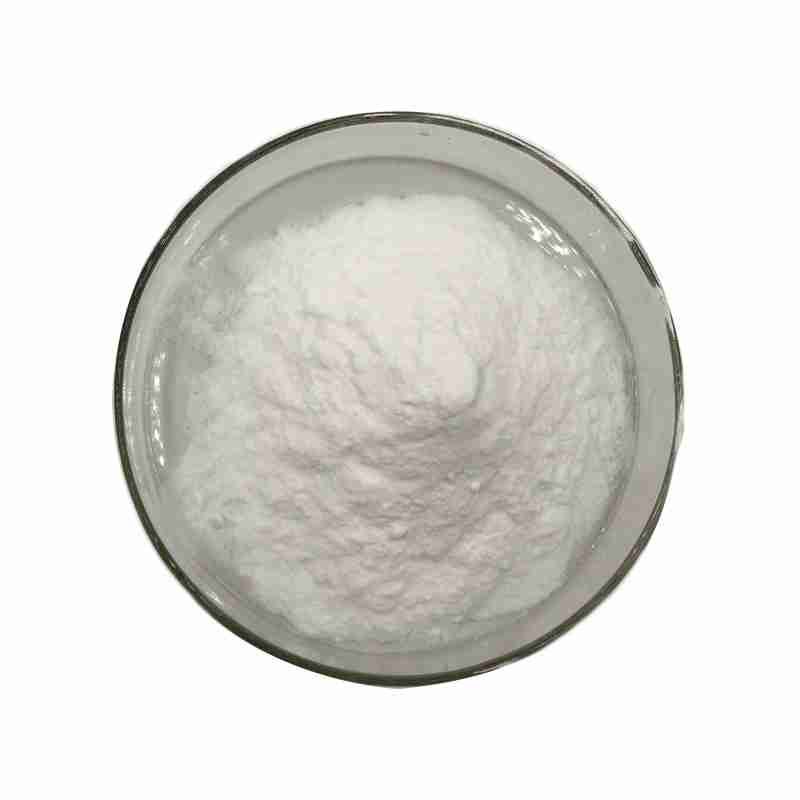
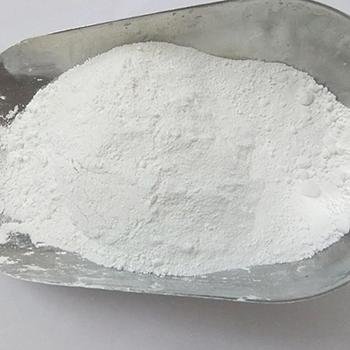
Appearance: White free flowing powder
Package: 25kg/bag
Sample: Available
related documents:
COA of Zirconium Hydroxide Cas 14475-63-9
TDS of Zirconium Hydroxide Cas 14475-63-9
SDS of Zirconium Hydroxide Cas 14475-63-9
Request for product documents
Description
Zirconium hydroxide
Zirconium hydroxide Quick Details
Product Name: Zirconium hydroxide; Zirconium IV hydroxide
CAS: 14475-63-9
Formula: C12H8N2O4Zn
Molecular Weight: 159.25
Appearance: White free flowing powder
Structure:
Zirconium hydroxide Technical specifications:
Test?item
Specification
Zr(Hf)O2
38% ~42%
Fe2O3
??0.0020%
Na2O
??0.0500%
SiO2
??0.0100%
TiO2
??0.0010%
Zirconium hydroxide Usage
Zirconium hydroxide, or hydrated zirconia, is a kind of amphoteric oxide which is insoluble in water and slightly alkaline.
It is widely used in the preparation of pigments, glass, dyes and other industries. It is also an important intermediate for the preparation of other zirconium compounds
Zirconium hydroxide Product Features
Zirconium hydroxide, or hydrated zirconia, is a kind of amphoteric oxide which is insoluble in water and slightly alkaline.
It is widely used in the preparation of pigments, glass, dyes and other industries. It is also an important intermediate for the preparation of other zirconium compounds.
Zirconium hydroxide Packaging and Shipping
Packing: 25kg/bag
Zirconium hydroxide Storage
Stored in a cool dry place out of direct sunlight.
Related Products
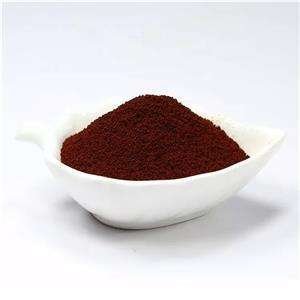
Chemical Name: Choline salicylate
CAS No.: 2016-36-6
Molecular Formula: C12H19NO4
Molecular Weight: 241.28
Appearance: Red-Brown Crystal
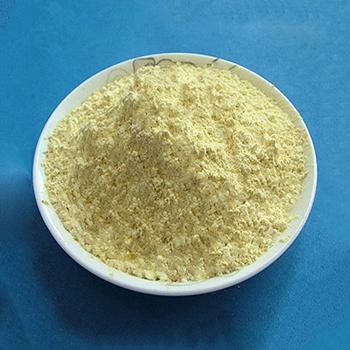
Product name:HYDROXYPROPYL GUAR HYDROXYPROPYLTRIMONIUM CHLORIDE
Purity:99%
Appearance:Light Yellow Powder
Package:Customized according to customer needs.
Sample:Available

Calcium carbonate, with the chemical formula CaCO3, is an inorganic compound found in nature as calcite, aragonite, and vaterite. It is a white solid that is insoluble in water but soluble in acid. Widely used as a filler and coating pigment in paper and plastics, calcium carbonate also serves as a primary ingredient in the production of cement and lime. Known for its high purity and chemical stability, it is utilized in pharmaceuticals, food additives, and as a dietary calcium supplement. Its versatility makes it an essential component in various industrial applications.
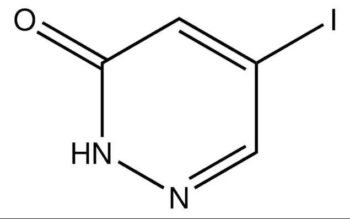
Common English name: 5-iodo-2,3-dihydropyridazin-3-one
CAS No.: 825633-94-1
Molecular formula: C4H3IN2O
Molecular weight: 221.98
Sample: Available
Ammonium sulfamate is a white crystalline compound with the chemical formula (NH4)2SO3. It is a versatile chemical used in various applications, including as a flame retardant, a fertilizer ingredient, and a chemical intermediate. In the agricultural sector, it serves as a source of nitrogen, promoting plant growth. As a flame retardant, it is effective in reducing the flammability of materials. Additionally, it is used in the synthesis of other chemicals due to its reactivity with amines and other organic compounds. Its properties make it a valuable component in a range of industrial processes.
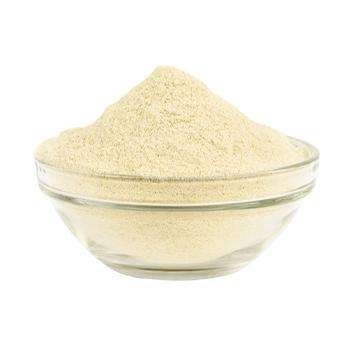
Chemical Name: Arabic gum
CAS No.: 9000-01-5
Appearance: powder

Copper(II) sulfate, with the chemical formula CuSO4, is a blue crystalline compound that is soluble in water. It is commonly used in agriculture as a fungicide and in the textile industry as a dye fixative. Copper(II) sulfate is also utilized in the manufacture of pigments, batteries, and as an algaecide in water treatment. Its distinctive blue color and reactivity make it a versatile chemical in various industrial applications, including chemical analysis and electroplating.
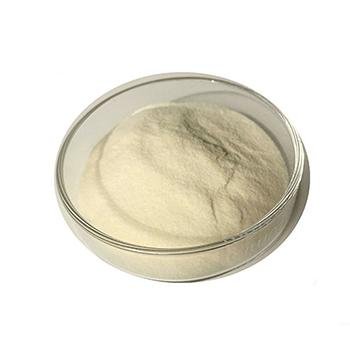
Chemical Name: Quercetin-3-O-sophoroside
CAS No.: 18609-17-1
Molecular Formula: C27H30O17
Molecular Weight: 626.52
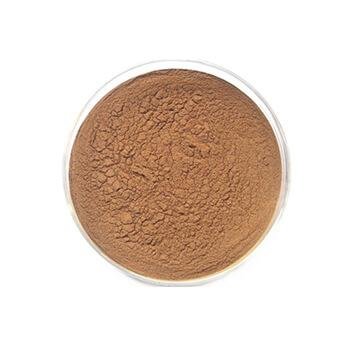
Chemical Name: Ashwagandha Extract
Synonyms: Withania somnifera, ext.; Withania Somnefera Extract
CAS: 90147-43-6
Appearance: Brown

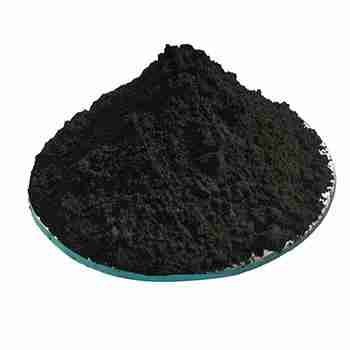
Carbon black, also known as carbon dark, is a kind of unformed carbon. It??s a light, loose and extremely fine black greasepaint with a veritably large face area ranging from 10 to 3000m2/g. It??s an deficient combustion of carbonaceous substances( coal, natural gas, heavy oil painting, energy oil painting,etc.) under conditions of inadequate air. Or products deduced from thermal corruption. Those made from natural gas are called?? gas dark??, those made from oil painting are called?? beacon black??, and those made from acetylene are called?? acetylene black??. In addition, there are?? trough black?? and?? furnace black??.

Silicon dioxide, commonly known as silica, is a naturally occurring compound found in quartz and sand. It is a primary component of most rocks and is widely used in various industries due to its high thermal stability, chemical inertness, and optical clarity. In chemical applications, it is valued for its abrasive, refractory, and adsorptive properties, making it essential in products like glass, ceramics, and electronics.
Product name:Cyclopentane
Purity:96%
Appearance:White powder
Package:25kg/bag
Sample:Available



Reviews
There are no reviews yet.