

![2,4-Oxazolidinedione,5-[[4-(dipenylamino)phenyl]methlene-3-(2-phenylethyl)- CAS 506426-96-6](https://bgbchem.com/wp-content/uploads/2025/08/24-Oxazolidinedione5-4-dipenylaminophenylmethlene-3-2-phenylethyl-CAS-506426-96-6.jpg)
Description
Product Name: Poly(1-vinylpyrrolidone-covinyl acetate)
CAS No:25086-89-9
Molecular Formula: C10H15NO3
Poly(1-vinylpyrrolidone-covinyl acetate) Typical Specification
product
VP/VA
K value
pH value (5%?in water)
Moisture
Solid???content
Ash
content(%,max)
Residual order
(VP+VA)(%,max.)
PVP/VA?64?powder
60/40
26-34
4.0-7.0
5.0% max
95%?min
0.?1
0.?1
PVP/VA 64W
60/40
26-34
4.0-7.0
48-52%
48-52%
0.?1
0.?1
PVP/VA 73W
70/30
26-34
4.0-7.0
48-52%
48-52%
0.?1
0.?1
PVP/VA 37W
30/70
24-32
?
?C
0.5%
48-52%
0.?1
0.?1
PVP/VA 55E
50/50
30-38
?
?C
0.5%
48-52%
0.?1
0.?1
PVP/VA 64E
60/40
26-34
?
?C
0.5%
48-52%
0.?1
0.?1
PVP/VA 73E
70/30
30-38
?
?C
0.5%
48-52%
0.?1
0.?1
Poly(1-vinylpyrrolidone-covinyl acetate) Usage
?The main raw material ofcosmetics, used in hairgel,?mousse,?shampoo,?etc.,?and?also used?in?surfactants, medicine and other?industries
?It is mainly used as a water-solubleadhesiveand dry adhesive in granulation and direct compression technology, as a film-forming material in film coating, and as a channel former in taste-masking agents. Applied to sugar coating to prevent splintering, and bottom coating to prevent moisture
?VP/VA copolymer series products are mainly used asfilm-formingagents and styling agents in the cosmetics field, especially in hair sprays, hair gels, mousses and shampoo products. They play an important role as film formers and hair styling agents. If used in conjunction with PVP K30, their effectiveness will be enhanced.
Poly(1-vinylpyrrolidone-covinyl acetate) Package &?Storage
20kg/drum or?50kg/drum
Seal the package and store it in?a?dry place?at room temperature.
Related Products

Chemical Name: Quercetin-3-O-sophoroside
CAS No.: 18609-17-1
Molecular Formula: C27H30O17
Molecular Weight: 626.52
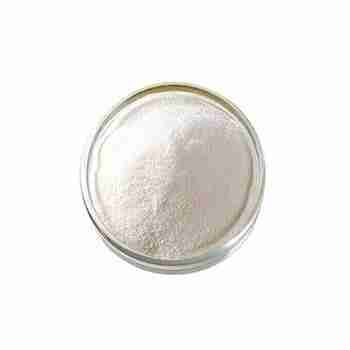
POLY(VINYL CHLORIDE-CO-ISOBUTYL VINYL ETHER) is a copolymer that combines the properties of vinyl chloride and isobutyl vinyl ether. This polymer offers a balance of rigidity and flexibility, along with enhanced chemical resistance and durability. It is commonly used in the production of films, coatings, and adhesives due to its excellent barrier properties against gases and moisture, making it ideal for packaging and construction applications.
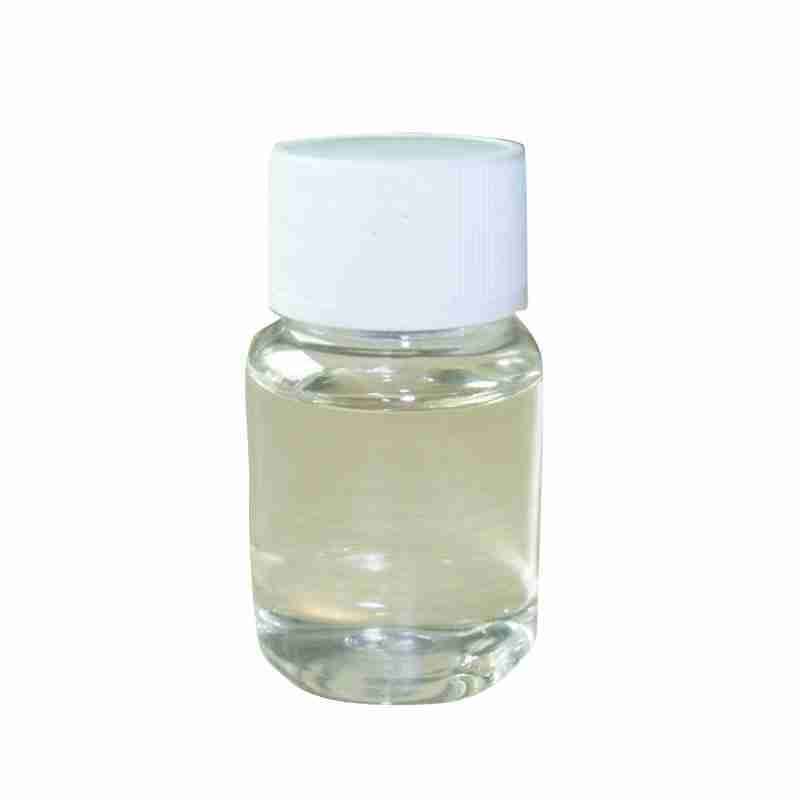
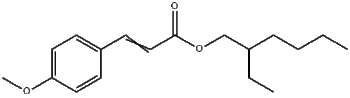
Octyl 4-methoxycinnamate, scientifically known as 2-Ethylhexyl 4-Methoxycinnamate, is a highly effective organic UV filter commonly used in the formulation of sunscreens and cosmetic products. This compound is renowned for its ability to absorb ultraviolet B (UVB) radiation, providing a reliable defense against the sun’s harmful effects on the skin.
Characterized by its chemical formula C19H28O3, Octyl 4-methoxycinnamate is a liquid ester that is readily soluble in organic solvents. It is valued for its photostability, which means it maintains its protective properties even after prolonged exposure to sunlight. This feature makes it an ideal ingredient for products designed to offer long-lasting sun protection.
In addition to its UVB absorption capabilities, Octyl 4-methoxycinnamate is also appreciated for its compatibility with other UV filters, allowing for the creation of broad-spectrum sunscreens. It contributes to the development of formulations that are non-greasy and cosmetically elegant, suitable for a variety of skin types.
As a key component in sun care products, Octyl 4-methoxycinnamate supports the skin’s health by preventing sunburn, reducing the risk of skin cancer, and delaying the signs of photoaging. Its safety profile and efficacy make it a preferred choice in the personal care and dermatological industries for sun protection solutions.
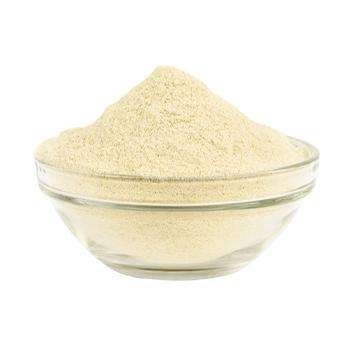
Chemical Name: Arabic gum
CAS No.: 9000-01-5
Appearance: powder
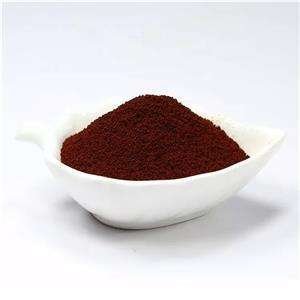
Chemical Name: Choline salicylate
CAS No.: 2016-36-6
Molecular Formula: C12H19NO4
Molecular Weight: 241.28
Appearance: Red-Brown Crystal
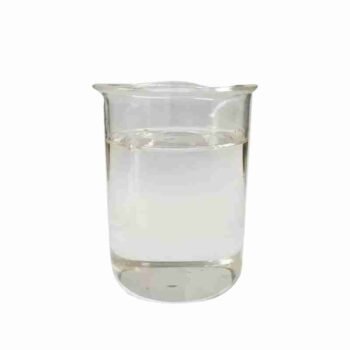
Silicones are a family of synthetic polymers known for their versatility and stability. They are heat-resistant, non-toxic, and have excellent electrical insulation properties. Commonly used in various industries such as construction, automotive, aerospace, and personal care products, silicones offer a wide range of applications from sealants and adhesives to lubricants and medical devices. Their resistance to extreme temperatures and weathering makes them a preferred choice for many high-performance applications.
Silicone oil, known for its chemical designation as dimethicone or polydimethylsiloxane, is a synthetic polymer with a backbone of alternating silicon and oxygen atoms, creating a highly versatile and stable compound. It is renowned for its exceptional lubricating properties, heat resistance, and non-toxic nature, making it a staple in various industries, including cosmetics, automotive, and aerospace.
This hydrophobic, non-volatile oil is valued for its ability to provide a smooth, non-greasy feel and to form stable emulsions with other ingredients. In personal care products, silicone oil is used to impart a silky texture, reduce friction on the skin, and create a protective barrier against environmental stressors without clogging pores.
Silicone oil’s chemical inertness and resistance to oxidation contribute to its long shelf life and stability in formulations. It is also appreciated for its compatibility with a wide range of substances, allowing for the creation of multifunctional products.
In summary, silicone oil is a reliable and multifaceted ingredient, offering a combination of performance, safety, and sensory benefits. Its use in a variety of applications reflects its versatility and enduring appeal in the marketplace.

Benzothiazoles are a class of chemical compounds characterized by a fused benzene and thiazole ring. They exhibit a broad spectrum of applications, particularly as antioxidants in rubber and plastic industries, enhancing product longevity and performance. Additionally, benzothiazoles serve as key intermediates in the synthesis of pharmaceuticals, contributing to the development of life-saving drugs. Recognized for their stability and reactivity, these compounds are integral to advancing material science and healthcare solutions.

Ethylhexyl Palmitate is a skin-conditioning ester, derived from ethylhexanol and palmitic acid, that imparts moisturization and a smooth texture to cosmetic and personal care formulations. It is valued for its emollient properties, enhancing the sensory experience of skin care products.

Chemical Name: o-Xylene
Synonyms: 1,2-Dimethylbenzene; ortho-xylene
CAS No.: 95-47-6
Molecular Formula: C8H10
Molecular Weight: 106.17

Chemical Name: UV-120
Other Name: (2’,4’-Di-tert-butylphenyl 3,5-di-tert-butyl-4-hydroxybenzoate)
CAS No.: 4221-80-1
Molecular Fomula: C29H42O3
Molecular weight: 438.66
Assay: ≥99%(LC)

N,N-Dimethylaniline is an organic compound with amine and methyl groups attached to a benzene ring. It is a colorless liquid with a characteristic amine odor. This compound is primarily used as a chemical intermediate in the synthesis of dyes, pigments, and polymers. Its reactivity makes it a valuable building block in the production of various organic compounds, particularly in the pharmaceutical and chemical industries.



Reviews
There are no reviews yet.