
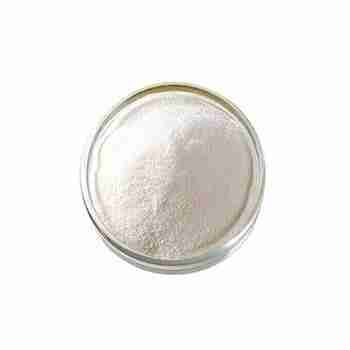

![2,4-Oxazolidinedione,5-[[4-(dipenylamino)phenyl]methlene-3-(2-phenylethyl)- CAS 506426-96-6](https://bgbchem.com/wp-content/uploads/2025/08/24-Oxazolidinedione5-4-dipenylaminophenylmethlene-3-2-phenylethyl-CAS-506426-96-6.jpg)
Description
Product Name: Poly(1-vinylpyrrolidone-covinyl acetate)
CAS No:25086-89-9
Molecular Formula: C10H15NO3
Poly(1-vinylpyrrolidone-covinyl acetate) Typical Specification
product
VP/VA
K value
pH value (5%?in water)
Moisture
Solid???content
Ash
content(%,max)
Residual order
(VP+VA)(%,max.)
PVP/VA?64?powder
60/40
26-34
4.0-7.0
5.0% max
95%?min
0.?1
0.?1
PVP/VA 64W
60/40
26-34
4.0-7.0
48-52%
48-52%
0.?1
0.?1
PVP/VA 73W
70/30
26-34
4.0-7.0
48-52%
48-52%
0.?1
0.?1
PVP/VA 37W
30/70
24-32
?
?C
0.5%
48-52%
0.?1
0.?1
PVP/VA 55E
50/50
30-38
?
?C
0.5%
48-52%
0.?1
0.?1
PVP/VA 64E
60/40
26-34
?
?C
0.5%
48-52%
0.?1
0.?1
PVP/VA 73E
70/30
30-38
?
?C
0.5%
48-52%
0.?1
0.?1
Poly(1-vinylpyrrolidone-covinyl acetate) Usage
?The main raw material ofcosmetics, used in hairgel,?mousse,?shampoo,?etc.,?and?also used?in?surfactants, medicine and other?industries
?It is mainly used as a water-solubleadhesiveand dry adhesive in granulation and direct compression technology, as a film-forming material in film coating, and as a channel former in taste-masking agents. Applied to sugar coating to prevent splintering, and bottom coating to prevent moisture
?VP/VA copolymer series products are mainly used asfilm-formingagents and styling agents in the cosmetics field, especially in hair sprays, hair gels, mousses and shampoo products. They play an important role as film formers and hair styling agents. If used in conjunction with PVP K30, their effectiveness will be enhanced.
Poly(1-vinylpyrrolidone-covinyl acetate) Package &?Storage
20kg/drum or?50kg/drum
Seal the package and store it in?a?dry place?at room temperature.
Related Products
Silicones are a family of synthetic polymers known for their versatility and stability. They are heat-resistant, non-toxic, and have excellent electrical insulation properties. Commonly used in various industries such as construction, automotive, aerospace, and personal care products, silicones offer a wide range of applications from sealants and adhesives to lubricants and medical devices. Their resistance to extreme temperatures and weathering makes them a preferred choice for many high-performance applications.
1-Octanol, also known as Capryl alcohol or n-Octanol, is a clear, colorless liquid with a characteristic waxy odor. It is an alcohol with eight carbon atoms in its chain, making it a part of the aliphatic alcohol family. This compound is poorly soluble in water but is miscible with ethanol, diethyl ether, and chloroform . It has a melting point of approximately -15??C and a boiling point of around 196??C . 1-Octanol is used in the production of esters, plasticizers, and as a solvent or intermediate in the synthesis of various organic compounds. It also finds application in the fragrance industry as a fixative in perfumes and can be used in the formulation of flavor and scent compositions . It is important to note that 1-Octanol is flammable and should be handled with care, storing it away from sources of ignition and heat .
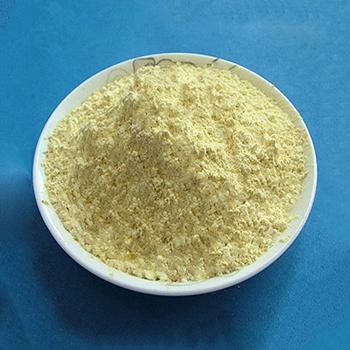
Product name:HYDROXYPROPYL GUAR HYDROXYPROPYLTRIMONIUM CHLORIDE
Purity:99%
Appearance:Light Yellow Powder
Package:Customized according to customer needs.
Sample:Available
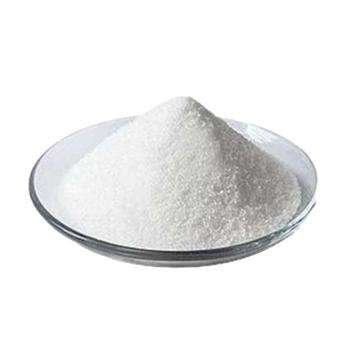
Chemical Name: 3-Hydroxybutyric acid
CAS No.: 625-71-8
Molecular Formula: C4H8O3
Molecular Weight: 104.1
Appearance: White powder
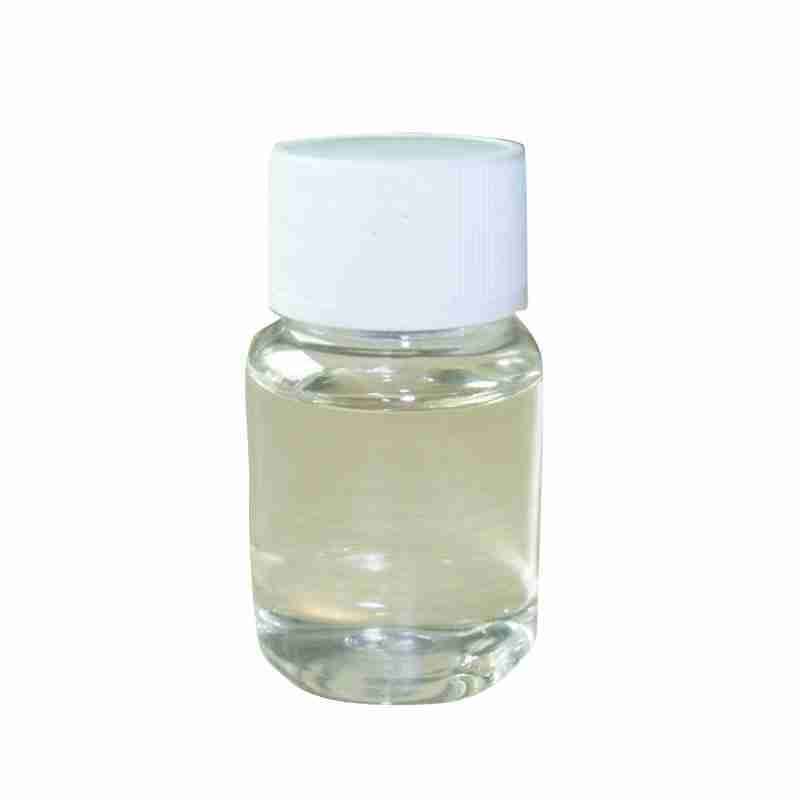
3,4-Ethylenedioxythiophene is a synthetic organic compound characterized by its unique structure that includes a thiophene ring with ethylenedioxy substituents at the 3 and 4 positions. This compound is known for its potential applications in the synthesis of various organic materials, including pharmaceuticals and organic electronic devices such as sensors and solar cells. Its stability and reactivity make it a versatile intermediate in the chemical industry.
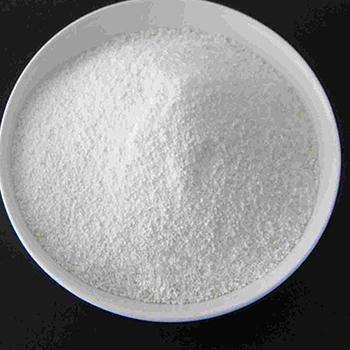
Chemical Name: Dehydrocholic acid
Synonyms: Acide dehydrocholique; Triketocholanic acid
CAS No.: 81-23-2
Molecular Formula: C24H34O5
Molecular Weight: 402.53
Appearance: Powder
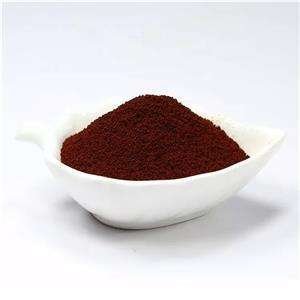
Chemical Name: Choline salicylate
CAS No.: 2016-36-6
Molecular Formula: C12H19NO4
Molecular Weight: 241.28
Appearance: Red-Brown Crystal
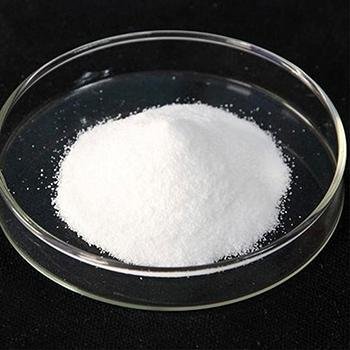
Chemical Name: UV-120
Other Name: (2’,4’-Di-tert-butylphenyl 3,5-di-tert-butyl-4-hydroxybenzoate)
CAS No.: 4221-80-1
Molecular Fomula: C29H42O3
Molecular weight: 438.66
Assay: ≥99%(LC)
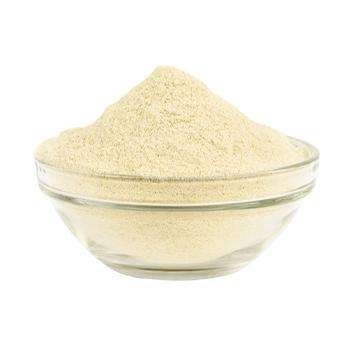
Chemical Name: Arabic gum
CAS No.: 9000-01-5
Appearance: powder
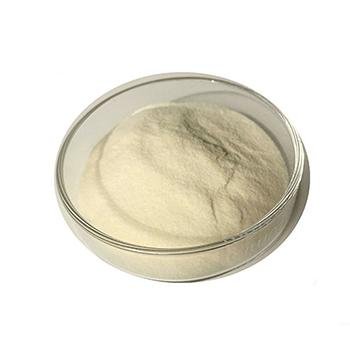
Chemical Name: Quercetin-3-O-sophoroside
CAS No.: 18609-17-1
Molecular Formula: C27H30O17
Molecular Weight: 626.52

N,N-Dimethylaniline is an organic compound with amine and methyl groups attached to a benzene ring. It is a colorless liquid with a characteristic amine odor. This compound is primarily used as a chemical intermediate in the synthesis of dyes, pigments, and polymers. Its reactivity makes it a valuable building block in the production of various organic compounds, particularly in the pharmaceutical and chemical industries.
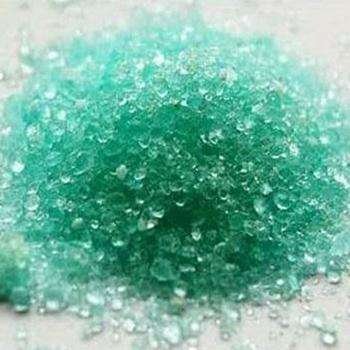
Chemical Name: Ammonium Iron(II) Sulfate
Synonyms: Diammonium iron bis(sulphate); iron (ii) ammonium sulfate
CAS No.: 10045-89-3
Molecular Formula: FeH5NO4S
Molecular Weight: 170.95



Reviews
There are no reviews yet.