
Description
Naringinase Quick Details
Chemical Name: Naringinase
CAS: 9068-31-9
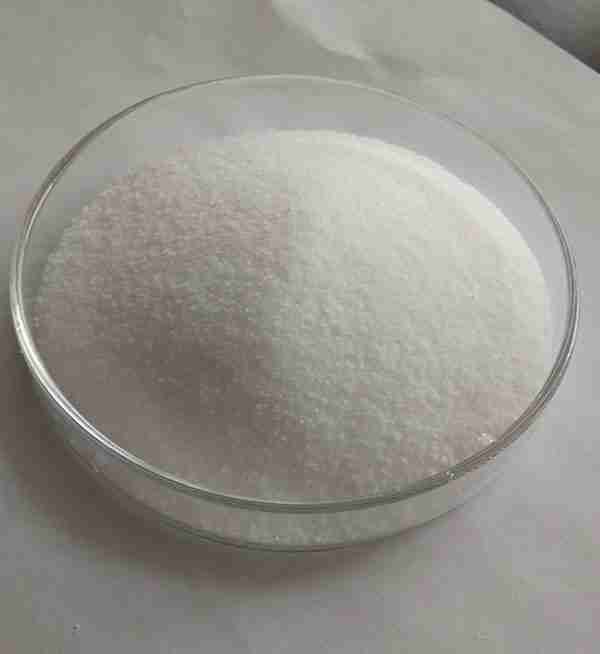
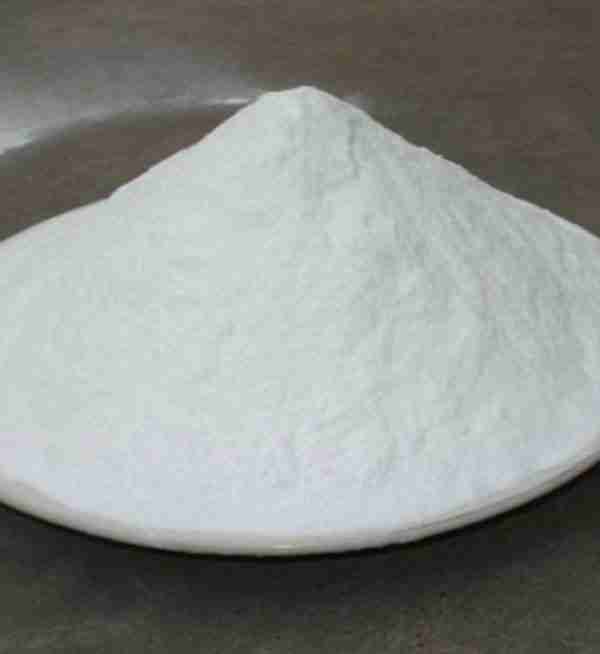
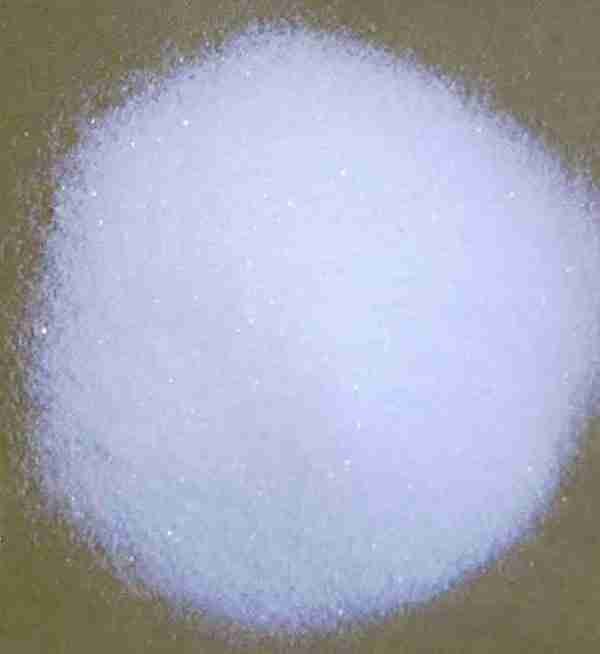
Appearance: White Powder
Typical Properties
Item
Analytcal result
Specification
Specification
51000 u/g
??50000 u/g
ASH %
0.08
??0.1
Moisture %
3.5
??4
Heavy Mental pb%
<0.001
??0.001
Arsenic as%
<0.0001
??0.0001
Exterior
White powder
White powder
E.coli
Negative
Negative
Conclusion
Qualified
?
Naringinase Usage
This product is an enzyme preparation. It is mainly used for the debittering of fruit juice, pulp and peel of grapefruit and bitter orange.
Naringinase Packaging
25kg/drum
Related Products

Chemical Name: N-Acetyl-D-mannosamine
Cas: 7772-94-3
MF: C8H15NO6
MW: 221.21
Appearance: White to off-white powder

Product name:Cyclopentane
Purity:96%
Appearance:White powder
Package:25kg/bag
Sample:Available

Chemical Name: Ammonium Iron(II) Sulfate
Synonyms: Diammonium iron bis(sulphate); iron (ii) ammonium sulfate
CAS No.: 10045-89-3
Molecular Formula: FeH5NO4S
Molecular Weight: 170.95
Chemical Name: beta-NADH disodium salt
Other name: beta-Nicotinamide adenine dinucleotide disodium salt
CAS No.: 606-68-8
Molecular Fomula: C21H30N7NaO14P2
Molecular weight:?689.44
Appearance:?white to light yellow powder
Assay: 95%min

Chemical Name: 1,1,2,2-Tetrachloroethane
Other Name: Tetrachlorethane
CAS No.: 79-34-5
Molecular Formula: C2H2Cl4
Molecular Weight: 167.85
Appearance: Liquid

Coenzyme A sodium salt hydrate (CAS 55672-92-9) is an important biologically active substance.
Appearance: Usually white or off-white powder. Solubility: Easily soluble in water, forming a clear solution in water.
Function: In the body, coenzyme A sodium salt hydrate is an important coenzyme that participates in a variety of biochemical reactions. It plays a key role in the metabolism of fatty acids, promoting the activation and oxidative decomposition of fatty acids. It participates in the tricarboxylic acid cycle and provides energy for cells. It is also important for the metabolism of certain amino acids.
Application: Commonly used in biochemistry and molecular biology research as a cofactor for enzyme reactions.
In the field of medicine, it may be used in the treatment or adjuvant treatment of certain diseases.


Carnosine was discovered together with carnitine by the Russian chemist Gurevitch. Studies in the UK, South Korea, Russia and other countries have shown that carnosine has strong antioxidant capacity and is beneficial to the human body. Carnosine has been shown to scavenge reactive oxygen species (ROS) and ??-?? unsaturated aldehydes formed during oxidative stress by excessive oxidation of fatty acids in cell membranes.
L-Carnosine is a small molecule with a left-handed structure of a natural dipeptide that is ubiquitous in nature. It is a dipeptide composed of ??-alanine and L-histidine. Carnosine has cellular antioxidant, anti-aging and various physiological health functions and medical effects. It has therapeutic effects on hypertension, heart disease, senile cataracts, ulcer healing, etc. It also has anti-tumor, immune model tests, and anti-stress effects. stimulating factors and other effects.

Ectoine is a naturally occurring osmoprotectant, a cyclic amino acid derivative that offers exceptional cell-stabilizing properties. Highly valued in cosmetics and pharmaceuticals, it enhances product efficacy by maintaining cell integrity under various environmental stresses.

Copper acetate peptide, also known as blue copper peptide. Copper peptide, also known as tripeptide in Chinese; Glycyl-L-histomyl-L-lysine. Peptide is a small molecule protein composed of amino acids, which are more easily absorbed by the skin and have more significant effects. It was first isolated from human plasma in 1973 and was discovered to have wound repair function in 1985. In 1999, researchers believed that copper peptide and its copper repair products can serve as activators of tissue remodeling, and it is also a signaling peptide, Promote the degradation of a large amount of collagen aggregates outside scars, the synthesis of normal collagen in the skin, the generation of elastin, proteoglycans, and glucosamine glycans, the growth rate and migration of different cell types, anti-inflammatory, and antioxidant responses.

Chemical Name: Zinc citrate
Synonyms: Zinc citrate trihydrate
CAS No.: 546-46-3
Molecular Formula: C6H8O7Zn
Molecular Weight: 257.5
Appearance: White powder
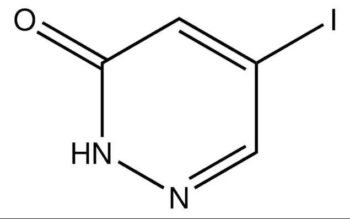
Common English name: 5-iodo-2,3-dihydropyridazin-3-one
CAS No.: 825633-94-1
Molecular formula: C4H3IN2O
Molecular weight: 221.98
Sample: Available

Hydroxyproline is a non-essential amino acid divided from another amino acid called proline. It is created by the communication of proline with ascorbic acid vitamin C. This process produces a hydroxyl team bound to a hydrogen-oxygen particle, which is affixed to a carbon particle of proline as well as converted to hydroxyproline.Trans-4-hydroxy-l-proline is an optically energetic form of 4-hydroxyproline with l-trans setup. It can be used as human metabolite, plant metabolite and also computer mouse metabolite. It is an tautomer of trans-4-hydroxy-l-proline zwitterions.



Reviews
There are no reviews yet.