

COENZYME A SODIUM SALT CAS# 55672-92-9


Coenzyme A sodium salt hydrate (CAS 55672-92-9) is an important biologically active substance.
Appearance: Usually white or off-white powder. Solubility: Easily soluble in water, forming a clear solution in water.
Function: In the body, coenzyme A sodium salt hydrate is an important coenzyme that participates in a variety of biochemical reactions. It plays a key role in the metabolism of fatty acids, promoting the activation and oxidative decomposition of fatty acids. It participates in the tricarboxylic acid cycle and provides energy for cells. It is also important for the metabolism of certain amino acids.
Application: Commonly used in biochemistry and molecular biology research as a cofactor for enzyme reactions.
In the field of medicine, it may be used in the treatment or adjuvant treatment of certain diseases.
COENZYME A SODIUM SALT CAS# 55672-92-9
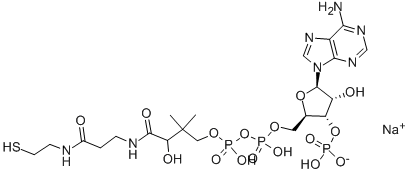
| COENZYME A SODIUM SALT Basic information |
| Product Name: | COENZYME A SODIUM SALT |
| Synonyms: | CoenzymeA hydrate sodium salt;coenzyme A sodium from yeast;COENZYME A, SODIUM CELL CULTURE TESTED;COENZYME A DISODIUM SALT;COENZYME A SODIUM SALT;COENZYME A SODIUM SALT HYDRATE;COENZYME A TRISODIUM SALT;COA NA2 |
| CAS: | 55672-92-9 |
| MF: | C21H35N7NaO16P3S |
| MW: | 789.52 |
| EINECS: | 259-747-8 |
| Product Categories: | |
| Mol File: | 55672-92-9.mol |
 |
|
| COENZYME A SODIUM SALT Chemical Properties |
| storage temp. | ?20??C |
| solubility | H2O: soluble50mg/mL, clear, colorless to faintly yellow |
| Safety Information |
| Safety Statements | 22-24/25 |
| WGK Germany | 3 |
| F | 3-10-23 |
| MSDS Information |
| Provider | Language |
|---|---|
| SigmaAldrich | English |
| COENZYME A SODIUM SALT Usage And Synthesis |
| Uses | Coenzyme A is suitable for use in:
|
| General Description | Coenzyme A (CoA) is an essential cofactor in living systems and is synthesized from pantothenic acid (vitamin B5), The CoA levels in mitochondria and peroxisomes correspond to 2-5 mM and 0.7 mM, respectively. Cytosolic CoA is in the range of 0.05 mM to 0.14 mM |
| Biochem/physiol Actions | Coenzyme A (CoA, CoASH, HSCoA) is a coenzyme that facilitates enzymatic acyl-group transfer reactions and supports the synthesis and oxidation of fatty acids. CoA is involved in the mechanisms of a wide variety of enzymes. In the presence of CoASH, organic carboxylic acids form acyl-CoA thioesters, which facilitates enzyme recognition. The acyl-CoA formed from xenobiotic carboxylic acids can add to the compound??s toxicity, which can lead to cellular metabolic dysfunction. It is involved in the oxidation of pyruvate in the Kreb??s cycle. CoA is needed for metabolic events. The bacterial CoA pathway is targeted for antimicrobial development. It mediates acyl group transfer and carbonyl activation. The CoA and its thioester levels are crucial for cellular homeostasis. CoA is also involved in regulating platelet aggregation and vasoconstriction. It acts as an essential cofactor in enzymatic acetyl transfer reactions. |
Related Products
Chemical Name: 3-Hydroxybutyric acid
CAS No.: 625-71-8
Molecular Formula: C4H8O3
Molecular Weight: 104.1
Appearance: White powder
Hydroxyproline is a non-essential amino acid divided from another amino acid called proline. It is created by the communication of proline with ascorbic acid vitamin C. This process produces a hydroxyl team bound to a hydrogen-oxygen particle, which is affixed to a carbon particle of proline as well as converted to hydroxyproline.Trans-4-hydroxy-l-proline is an optically energetic form of 4-hydroxyproline with l-trans setup. It can be used as human metabolite, plant metabolite and also computer mouse metabolite. It is an tautomer of trans-4-hydroxy-l-proline zwitterions.

Chemical Name:?UDP-glucuronic acid
CAS No.: 2616-64-0
Molecular Fomula: C15H22N2O18P2
Molecular weight: 580.28
Appearance: Solid
Assay: 98%
Polyglutamic acid (CAS 25513-46-6) is usually in the form of white powder.
Polyglutamic acid is a high molecular compound with good water solubility and biocompatibility.
It has many excellent properties, such as water retention, plant growth promotion, and improved fertilizer utilization. In the agricultural field, it can be used as a fertilizer enhancer, water retainer, etc., which helps to improve the fertility and water retention capacity of the soil and promote the growth and development of crops. For example, adding it to fertilizer can reduce fertilizer loss and improve the effect of fertilizer.
In the field of cosmetics, polyglutamic acid is also used, because its moisturizing properties can be used in skin care products.
Product name: Cholesterol Esterase
Synonyms: Biocatalytics E3; Bucelipase alfa; Sterol esterase
CAS No.: 9026-00-0

Chemical Name:?UDP-Glucuronic Acid Trisodium
CAS No.: 63700-19-6
Molecular Fomula: C15H23N2NaO18P2
Molecular weight: 604.28
Appearance: Solid
Assay: 98%
Chemical Name: Choline salicylate
CAS No.: 2016-36-6
Molecular Formula: C12H19NO4
Molecular Weight: 241.28
Appearance: Red-Brown Crystal

Copper acetate peptide, also known as blue copper peptide. Copper peptide, also known as tripeptide in Chinese; Glycyl-L-histomyl-L-lysine. Peptide is a small molecule protein composed of amino acids, which are more easily absorbed by the skin and have more significant effects. It was first isolated from human plasma in 1973 and was discovered to have wound repair function in 1985. In 1999, researchers believed that copper peptide and its copper repair products can serve as activators of tissue remodeling, and it is also a signaling peptide, Promote the degradation of a large amount of collagen aggregates outside scars, the synthesis of normal collagen in the skin, the generation of elastin, proteoglycans, and glucosamine glycans, the growth rate and migration of different cell types, anti-inflammatory, and antioxidant responses.
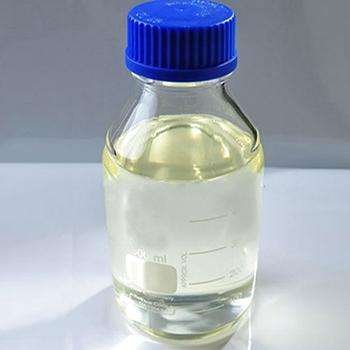
Chemical Name: 1,1,2,2-Tetrachloroethane
Other Name: Tetrachlorethane
CAS No.: 79-34-5
Molecular Formula: C2H2Cl4
Molecular Weight: 167.85
Appearance: Liquid
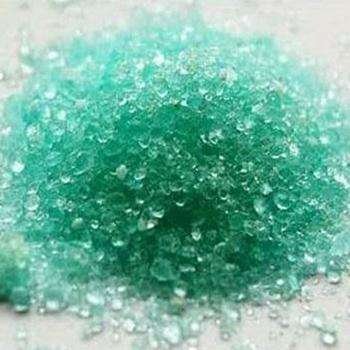
Chemical Name: Ammonium Iron(II) Sulfate
Synonyms: Diammonium iron bis(sulphate); iron (ii) ammonium sulfate
CAS No.: 10045-89-3
Molecular Formula: FeH5NO4S
Molecular Weight: 170.95
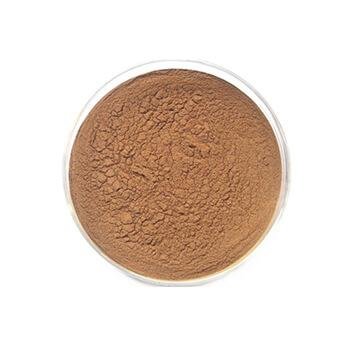
Chemical Name: Ashwagandha Extract
Synonyms: Withania somnifera, ext.; Withania Somnefera Extract
CAS: 90147-43-6
Appearance: Brown
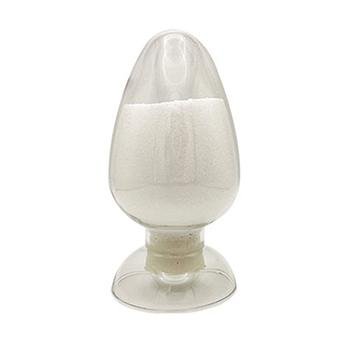
Chemical Name: Imazalil Sulfate
CAS No.: 58594-72-2
Molecular Formula: C14H14Cl2N2O.H2SO4
Molecular Weight: 395.26
Appearance: Solid


