
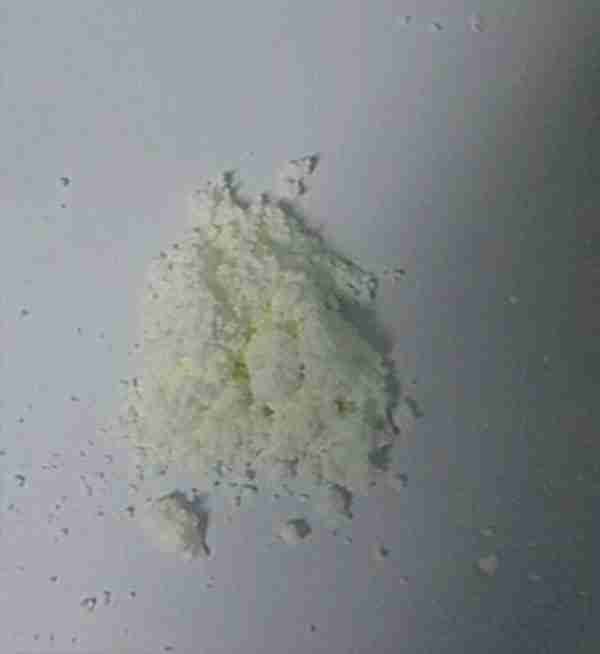
beta-diphosphopyridine nucleotide biocatalysis grade cas 53-84-9
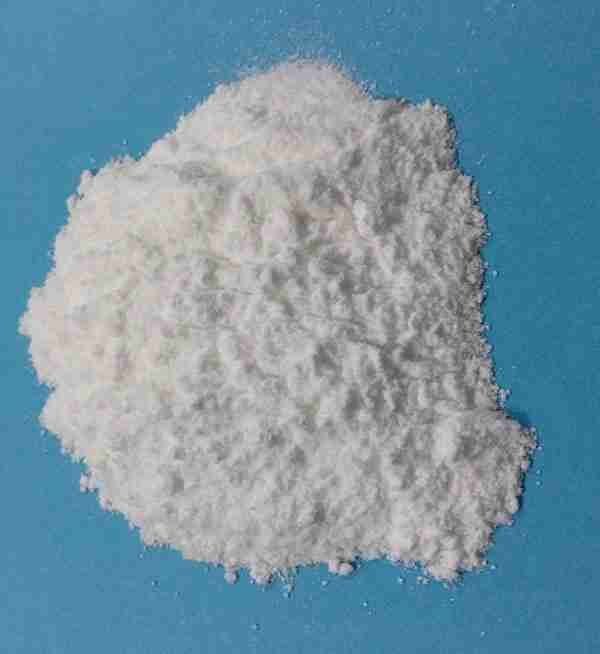
Chemical Name: beta-Diphosphopyridine nucleotide
CAS No.: 53-84-9
Molecular Fomula: C21H27N7O14P2
Molecular weight: 663.43
Appearance: white to light yellow powder
Assay: 95% Biocatalysis Grade
Description
beta-Diphosphopyridine nucleotide Biocatalysis Grade Quick Details
Chemical Name: beta-Diphosphopyridine nucleotide
CAS No.: 53-84-9
Molecular Fomula: C21H27N7O14P2
Chemical Structure:
Molecular weight: 663.43
Appearance: white to light yellow powder
Assay: 95%
beta-Diphosphopyridine nucleotideBiocatalysis Grade Typical Properties
Item
Standard
Appearance
White to yellowish powder
Purity (HPLC)
?R98%
Assay of ??-NAD(enzym.)(calc.on dry basis)
?R97%
Sodium content
?Q1%
Water content
?Q5%
PH value in water (100mg/ml)
2.0-4.0
Methanol (by GC)
?Q1%
Ethanol (by GC )
?Q2%
Heavy metal content
?Q0.5ppm
Pb
As
?Q0.5ppm
beta-Diphosphopyridine nucleotideBiocatalysis Grade Usage
It is a necessary coenzyme in organism, used in biochemical research, clinical diagnosis, clinical drug and drug research.
beta-Diphosphopyridine nucleotideBiocatalysis Grade Packaging and Shipping
Packing:1kg/ bottle 25kg/drum
Delivery:3-5working days after receipt of payment
Related Products
Product name:Cyclopentane
Purity:96%
Appearance:White powder
Package:25kg/bag
Sample:Available
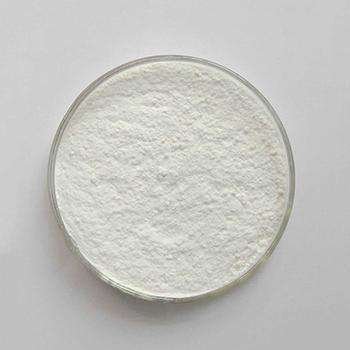
Chemical Name: Zinc citrate
Synonyms: Zinc citrate trihydrate
CAS No.: 546-46-3
Molecular Formula: C6H8O7Zn
Molecular Weight: 257.5
Appearance: White powder


Carnosine was discovered together with carnitine by the Russian chemist Gurevitch. Studies in the UK, South Korea, Russia and other countries have shown that carnosine has strong antioxidant capacity and is beneficial to the human body. Carnosine has been shown to scavenge reactive oxygen species (ROS) and ??-?? unsaturated aldehydes formed during oxidative stress by excessive oxidation of fatty acids in cell membranes.
L-Carnosine is a small molecule with a left-handed structure of a natural dipeptide that is ubiquitous in nature. It is a dipeptide composed of ??-alanine and L-histidine. Carnosine has cellular antioxidant, anti-aging and various physiological health functions and medical effects. It has therapeutic effects on hypertension, heart disease, senile cataracts, ulcer healing, etc. It also has anti-tumor, immune model tests, and anti-stress effects. stimulating factors and other effects.
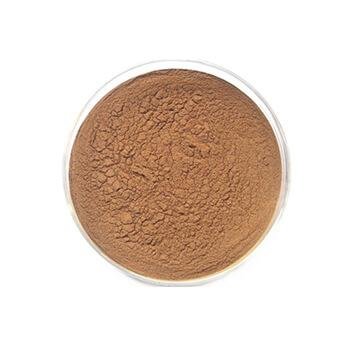
Chemical Name: Ashwagandha Extract
Synonyms: Withania somnifera, ext.; Withania Somnefera Extract
CAS: 90147-43-6
Appearance: Brown
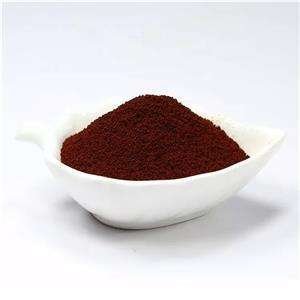
Chemical Name: Choline salicylate
CAS No.: 2016-36-6
Molecular Formula: C12H19NO4
Molecular Weight: 241.28
Appearance: Red-Brown Crystal

L-arginine (or arginine) is an amino acid that is recognized to be the ??building blocks?? of healthy proteins.?We get arginine from our diet plan, especially from animal-derived healthy protein foods, consisting of beef and various other sorts of red meat, chicken, fish, eggs, and also dairy items.
In addition to being normally present in a ??entire healthy protein?? that gives all the important amino acids we need, it is also produced in a research laboratory setting so it can be made use of to develop supplements that benefit heart health, sports efficiency, psychological performance, as well as extra.
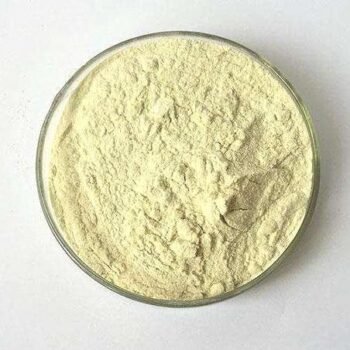
Chemical Name: o-Xylene
Synonyms: 1,2-Dimethylbenzene; ortho-xylene
CAS No.: 95-47-6
Molecular Formula: C8H10
Molecular Weight: 106.17
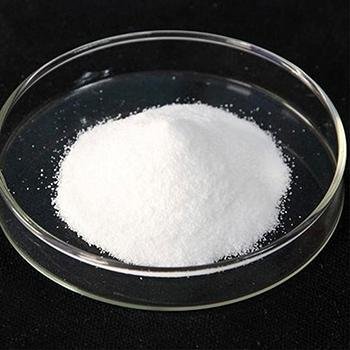
Chemical Name: UV-120
Other Name: (2’,4’-Di-tert-butylphenyl 3,5-di-tert-butyl-4-hydroxybenzoate)
CAS No.: 4221-80-1
Molecular Fomula: C29H42O3
Molecular weight: 438.66
Assay: ≥99%(LC)

Copper acetate peptide, also known as blue copper peptide. Copper peptide, also known as tripeptide in Chinese; Glycyl-L-histomyl-L-lysine. Peptide is a small molecule protein composed of amino acids, which are more easily absorbed by the skin and have more significant effects. It was first isolated from human plasma in 1973 and was discovered to have wound repair function in 1985. In 1999, researchers believed that copper peptide and its copper repair products can serve as activators of tissue remodeling, and it is also a signaling peptide, Promote the degradation of a large amount of collagen aggregates outside scars, the synthesis of normal collagen in the skin, the generation of elastin, proteoglycans, and glucosamine glycans, the growth rate and migration of different cell types, anti-inflammatory, and antioxidant responses.
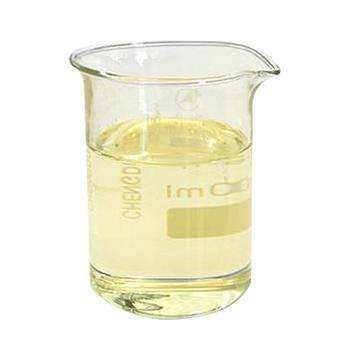
Chemical Name: Potassium Castorate
CAS No.: 8013-05-6
Molecular Formula: C57H107K3O12
Molecular Weight: 1101.74718
Appearance: Yellow Liquid

Chemical Name: 1,1,2,2-Tetrachloroethane
Other Name: Tetrachlorethane
CAS No.: 79-34-5
Molecular Formula: C2H2Cl4
Molecular Weight: 167.85
Appearance: Liquid
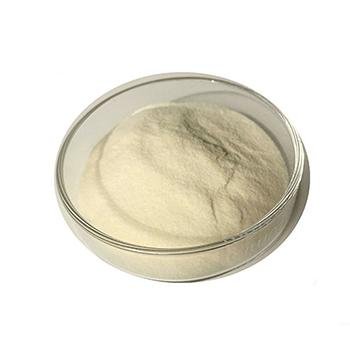
Chemical Name: Quercetin-3-O-sophoroside
CAS No.: 18609-17-1
Molecular Formula: C27H30O17
Molecular Weight: 626.52



Reviews
There are no reviews yet.