
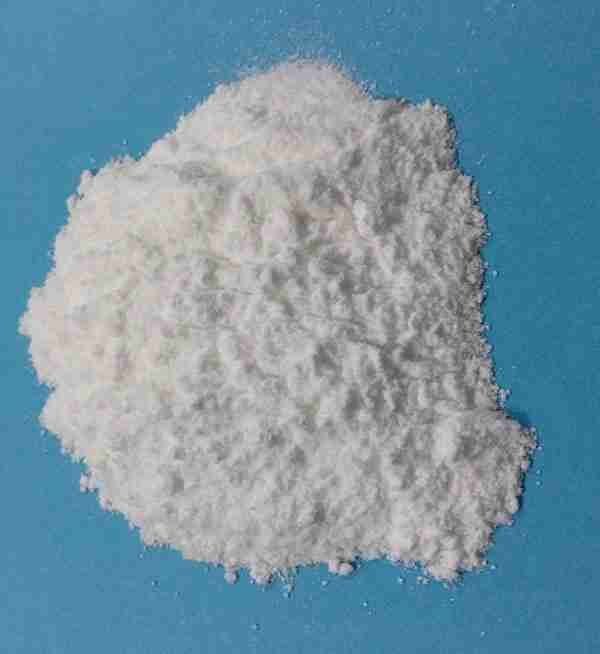
pyridoxal 5??-phosphate cas 41468-25-1

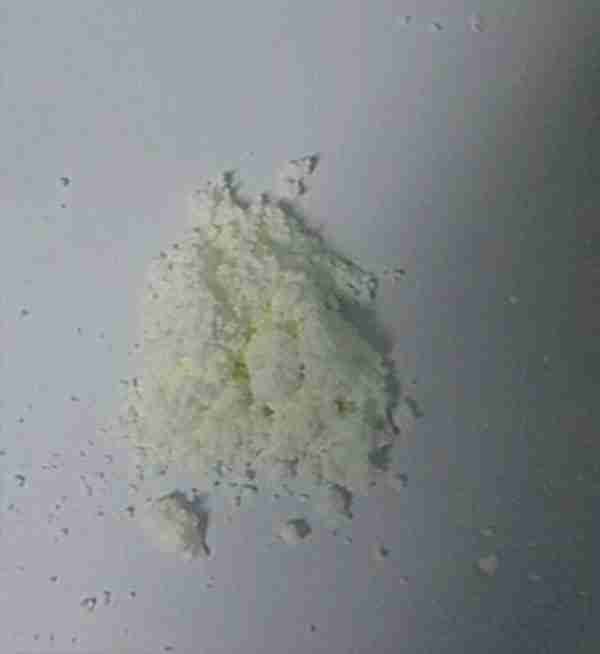
Chemical Name:Pyridoxal 5??-phosphate
CAS: 41468-25-1
Molecular Fomula:C8H12NO7P
Molecular Weight: 265.16
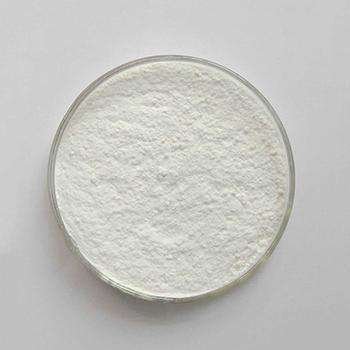
Appearance: White Powder
Purity: 99%min
related documents:
COA of Pyridoxal 5??-phosphate
TDS of Pyridoxal 5??-phosphate
Request for product documents
Description
Pyridoxal 5??-phosphateQuick Details
Chemical Name:Pyridoxal 5??-phosphate
CAS: 41468-25-1
Molecular Fomula:C8H12NO7P
Molecular Weight:265.16
Chemical Structure:
Appearance: White Powder
Purity: 99%min
Pyridoxal 5??-phosphateTypical Properties
Items
Result
Appearance
White
Content
99.0%min
Moisture
<0.04%
Brand
Terppon
HeavyMetals
<0.002%
Pyridoxal 5??-phosphate Usage
1)Pyridoxal-5-Phosphateis used to treat Parkinson??s disease.2) Promote the transaminase in transamination dopamine levels in the body.3) Used in the treatment of acute or chronic eczema dermatitis nettle examine pustular rash itching seborrheic eczema scaly rash drug eruption deficiency oral inflammation glossitis pregnancy reaction, asthma, etc.
4) The main body of vitamin B6.
Pyridoxal 5??-phosphate Packaging
25Kg one drum.
Related Products
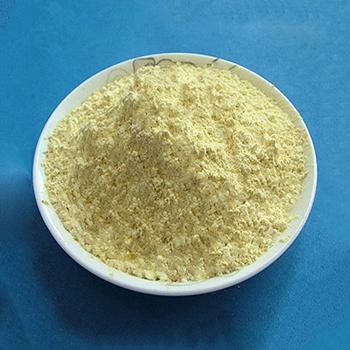
Product name:HYDROXYPROPYL GUAR HYDROXYPROPYLTRIMONIUM CHLORIDE
Purity:99%
Appearance:Light Yellow Powder
Package:Customized according to customer needs.
Sample:Available
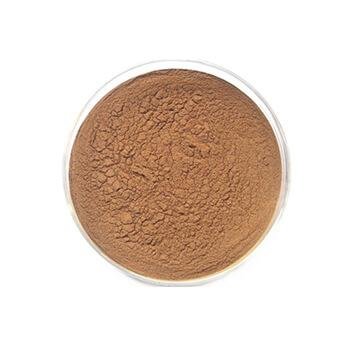
Chemical Name: Ashwagandha Extract
Synonyms: Withania somnifera, ext.; Withania Somnefera Extract
CAS: 90147-43-6
Appearance: Brown

Chemical Name: 3-Hydroxybutyric acid
CAS No.: 625-71-8
Molecular Formula: C4H8O3
Molecular Weight: 104.1
Appearance: White powder
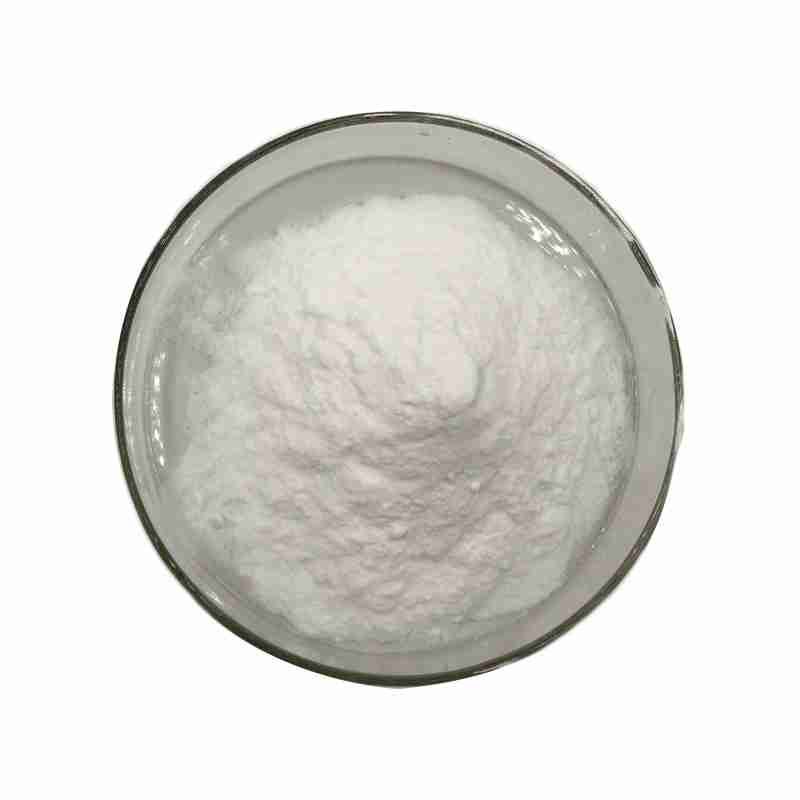
EC 3.4.21.14, previously classified, now redirects to EC 3.4.21.67, identifying endopeptidase So. This serine endopeptidase is integral in the hydrolysis of peptide bonds, a critical function in biological systems. Its applications extend across research and development in the pharmaceutical and biotechnological industries.

Ectoine is a naturally occurring osmoprotectant, a cyclic amino acid derivative that offers exceptional cell-stabilizing properties. Highly valued in cosmetics and pharmaceuticals, it enhances product efficacy by maintaining cell integrity under various environmental stresses.

Chemical Name:?UDP-Glucuronic Acid Trisodium
CAS No.: 63700-19-6
Molecular Fomula: C15H23N2NaO18P2
Molecular weight: 604.28
Appearance: Solid
Assay: 98%

Hydrolyzed keratin is originated from wool and is a light yellow to brownish-yellow clear fluid with a particular smell. It needs to undertake unique organic treatment to come to be brief peptides prior to it can be naturally used. Treated keratin is an acknowledged prospective resource of high-quality healthy protein with high nutritional value and secure quality.
It is a keratin hydrolysate derived from acid, enzyme and other hydrolysis methods, and has been used in feed and food industry, pharmacy, fertilizer, pesticide, environmental protection, leather industry, cosmetics and many other fields. Specifically, the material can be blended with polyamide 6 to prepare nanofibers for adsorbing chromium (VI). In addition, the compound can be used as an effective ingredient in the manufacture of shampoo, shower gel and shower gel. In addition, the chemical can be used as an effective ingredient in the production of deodorization compositions. In addition, the substance has been proven to be useful as a hair styling agent.
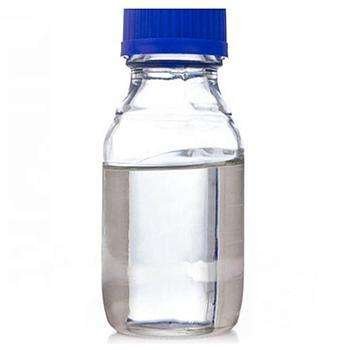
Chemical Name: STODDARD SOLVENT
CAS No.: 64742-88-7
Appearance: Colorless or Light Yellow Liquid
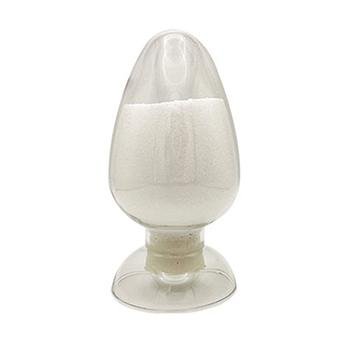
Chemical Name: Imazalil Sulfate
CAS No.: 58594-72-2
Molecular Formula: C14H14Cl2N2O.H2SO4
Molecular Weight: 395.26
Appearance: Solid
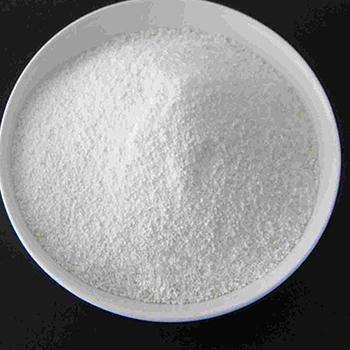
Chemical Name: Dehydrocholic acid
Synonyms: Acide dehydrocholique; Triketocholanic acid
CAS No.: 81-23-2
Molecular Formula: C24H34O5
Molecular Weight: 402.53
Appearance: Powder

Coenzyme A sodium salt hydrate (CAS 55672-92-9) is an important biologically active substance.
Appearance: Usually white or off-white powder. Solubility: Easily soluble in water, forming a clear solution in water.
Function: In the body, coenzyme A sodium salt hydrate is an important coenzyme that participates in a variety of biochemical reactions. It plays a key role in the metabolism of fatty acids, promoting the activation and oxidative decomposition of fatty acids. It participates in the tricarboxylic acid cycle and provides energy for cells. It is also important for the metabolism of certain amino acids.
Application: Commonly used in biochemistry and molecular biology research as a cofactor for enzyme reactions.
In the field of medicine, it may be used in the treatment or adjuvant treatment of certain diseases.
Chemical Name: Zinc citrate
Synonyms: Zinc citrate trihydrate
CAS No.: 546-46-3
Molecular Formula: C6H8O7Zn
Molecular Weight: 257.5
Appearance: White powder



Reviews
There are no reviews yet.