
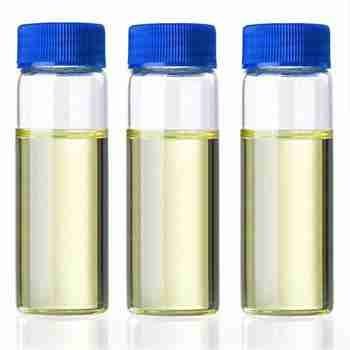
Dimethyl Thio-toluene Diamine (DMTDA) Cas 106264-79-3
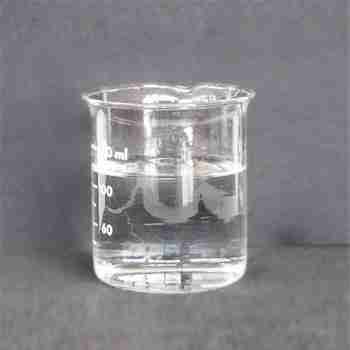

Chemical Name: Dimethyl thio-toluene diamine(DMTDA)
CAS No.: 106264-79-3
Molecular Fomula: C9H14N2S2
Molecular weight:214.36
Appearance: Light yellow to amber transparent liquid
Assay: ??98%
related documents:
COA of Dimethyl thio-toluene diamine (DMTDA)
TDS of Dimethyl thio-toluene diamine (DMTDA)
Request for product documents
Description
Dimethyl thio-toluene diamine(DMTDA) Quick Details
Chemical Name: Dimethyl thio-toluene diamine/DMTDA
Synonyms: DimethylthioToluene Diamie; ethyl thio-toluene diamine; 3,5-Dimethylthio-2,4-toluenediamine; 2,4-Diamino-3,5-dimethylthiotoluene
CAS No.: 106264-79-3
Molecular Fomula: C9H14N2S2
Chemical Structure:
Molecular weight: 214.36
Appearance: Light yellow to amber transparent liquid
Assay: ??98%
Dimethyl thio-toluene diamine(DMTDA) Typical Properties
Items
Specifications
Appearance
Light yellow to amber transparent liquid
Density/g/cm3
1.206~1.208
Amine value/mgKOH/g
525-535
Boiling point??16.8mmHg??/??
199~205
Flash point/??
??135
Water/%
??0.1
Viscosity??25?棩/mPa.s
600~900
Dimethyl thio-toluene diamine(DMTDA)Usage
1. DMTDA is a new PU elastomer curing cross-linking agent, equivalent to Ethancure300, including 2 kinds of isomers, that is, the mixture of 2,4- and 2,6-DMTDA (proportion: 77~/17~20) .
2. DMTDA is an eco-friendly low-toxicity liquid diamine chain extender, mainly applied to RIM (reaction injection moulding) PU elastomer, SPUA (sprayed polyurea elastomer) and adhesive agent.
3. It also can be used as the epoxy resin curing agent, and is widely applied to PU rubber roll, medicine, punch forming, etc. Moreover, it also can be applied to automobile, building, coal mine, metal mine, textile, paper-making and printing.
4. The curing velocity of DMTDA is much slower than that of DETDA. It can be mixed with DETDA with different mixing ratios, and adjusted the curing velocity to meet various demands.
Dimethyl thio-toluene diamine(DMTDA)Packaging and Shipping
200kg /drum.
Dimethyl thio-toluene diamine(DMTDA)Storage
Keep the seal and keep it under low temperature and dry condition.
Related Products
Chemical Name: UV-120
Other Name: (2’,4’-Di-tert-butylphenyl 3,5-di-tert-butyl-4-hydroxybenzoate)
CAS No.: 4221-80-1
Molecular Fomula: C29H42O3
Molecular weight: 438.66
Assay: ≥99%(LC)
Product name:Cyclopentane
Purity:96%
Appearance:White powder
Package:25kg/bag
Sample:Available
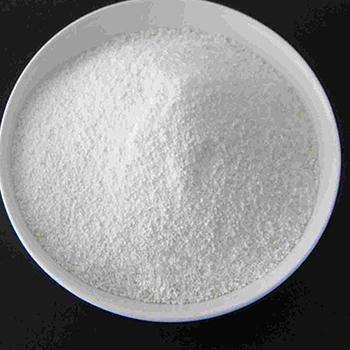
Chemical Name: Dehydrocholic acid
Synonyms: Acide dehydrocholique; Triketocholanic acid
CAS No.: 81-23-2
Molecular Formula: C24H34O5
Molecular Weight: 402.53
Appearance: Powder

Benzothiazoles are a class of chemical compounds characterized by a fused benzene and thiazole ring. They exhibit a broad spectrum of applications, particularly as antioxidants in rubber and plastic industries, enhancing product longevity and performance. Additionally, benzothiazoles serve as key intermediates in the synthesis of pharmaceuticals, contributing to the development of life-saving drugs. Recognized for their stability and reactivity, these compounds are integral to advancing material science and healthcare solutions.

Butylated Hydroxytoluene (BHT) is a synthetic phenolic antioxidant commonly added to foods, cosmetics, and packaging to prevent the oxidation of fats and oils, thereby extending their shelf life. It is also used as a preservative in a variety of products, including rubber, petroleum products, and animal feed. BHT is recognized for its effectiveness in maintaining nutrient levels, color, flavor, and odor in food products . It is known to have a melting point of 69-71??C, a boiling point of 265??C, and is soluble in ethanol, acetone, and benzene, but not in water, glycerin, or propylene glycol . BHT is also used in some dietary supplements due to its antioxidant properties . However, it is important to handle BHT with care, as it can cause skin irritation and is considered harmful if swallowed .
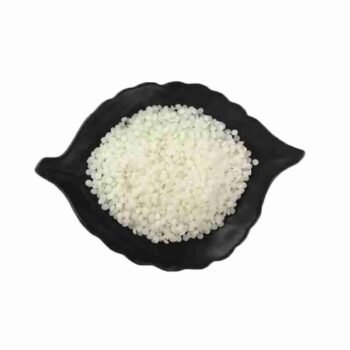
Tetraacetylethylenediamine is a fully acetylated derivative of ethylenediamine, offering a high reactivity as an intermediate in organic synthesis. Its unique structure makes it a critical component in the production of specialty chemicals and pharmaceuticals, ensuring a wide range of applications in the chemical industry.
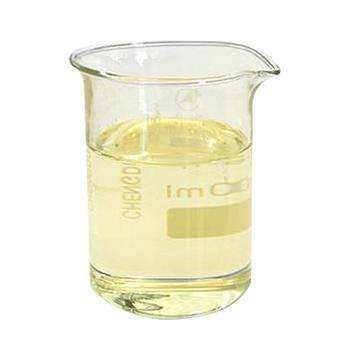
Chemical Name: Potassium Castorate
CAS No.: 8013-05-6
Molecular Formula: C57H107K3O12
Molecular Weight: 1101.74718
Appearance: Yellow Liquid
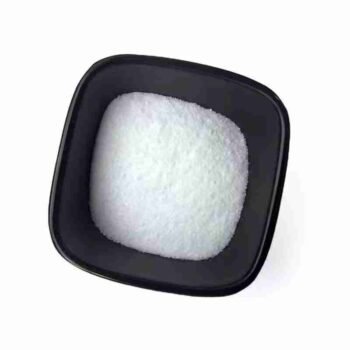
POLY(VINYL CHLORIDE-CO-ISOBUTYL VINYL ETHER) is a copolymer that combines the properties of vinyl chloride and isobutyl vinyl ether. This polymer offers a balance of rigidity and flexibility, along with enhanced chemical resistance and durability. It is commonly used in the production of films, coatings, and adhesives due to its excellent barrier properties against gases and moisture, making it ideal for packaging and construction applications.
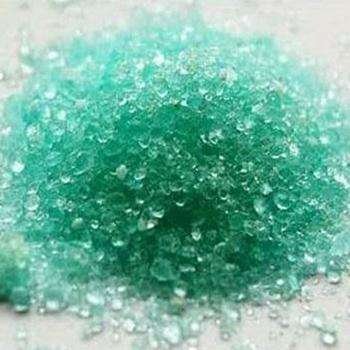
Chemical Name: Ammonium Iron(II) Sulfate
Synonyms: Diammonium iron bis(sulphate); iron (ii) ammonium sulfate
CAS No.: 10045-89-3
Molecular Formula: FeH5NO4S
Molecular Weight: 170.95
Silicones are a family of synthetic polymers known for their versatility and stability. They are heat-resistant, non-toxic, and have excellent electrical insulation properties. Commonly used in various industries such as construction, automotive, aerospace, and personal care products, silicones offer a wide range of applications from sealants and adhesives to lubricants and medical devices. Their resistance to extreme temperatures and weathering makes them a preferred choice for many high-performance applications.
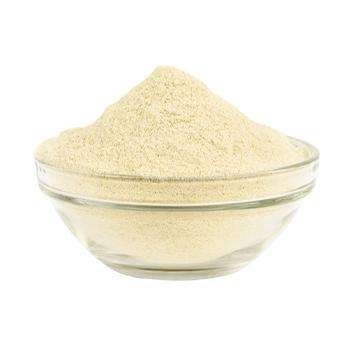
Chemical Name: Arabic gum
CAS No.: 9000-01-5
Appearance: powder

Chemical Name: Ashwagandha Extract
Synonyms: Withania somnifera, ext.; Withania Somnefera Extract
CAS: 90147-43-6
Appearance: Brown



Reviews
There are no reviews yet.