
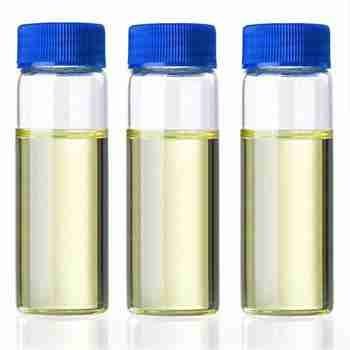
Dimethyl Thio-toluene Diamine (DMTDA) Cas 106264-79-3

Chemical Name: Dimethyl thio-toluene diamine(DMTDA)
CAS No.: 106264-79-3
Molecular Fomula: C9H14N2S2
Molecular weight:214.36
Appearance: Light yellow to amber transparent liquid
Assay: ??98%
related documents:
COA of Dimethyl thio-toluene diamine (DMTDA)
TDS of Dimethyl thio-toluene diamine (DMTDA)
Request for product documents
Description
Dimethyl thio-toluene diamine(DMTDA) Quick Details
Chemical Name: Dimethyl thio-toluene diamine/DMTDA
Synonyms: DimethylthioToluene Diamie; ethyl thio-toluene diamine; 3,5-Dimethylthio-2,4-toluenediamine; 2,4-Diamino-3,5-dimethylthiotoluene
CAS No.: 106264-79-3
Molecular Fomula: C9H14N2S2
Chemical Structure:
Molecular weight: 214.36
Appearance: Light yellow to amber transparent liquid
Assay: ??98%
Dimethyl thio-toluene diamine(DMTDA) Typical Properties
Items
Specifications
Appearance
Light yellow to amber transparent liquid
Density/g/cm3
1.206~1.208
Amine value/mgKOH/g
525-535
Boiling point??16.8mmHg??/??
199~205
Flash point/??
??135
Water/%
??0.1
Viscosity??25?棩/mPa.s
600~900
Dimethyl thio-toluene diamine(DMTDA)Usage
1. DMTDA is a new PU elastomer curing cross-linking agent, equivalent to Ethancure300, including 2 kinds of isomers, that is, the mixture of 2,4- and 2,6-DMTDA (proportion: 77~/17~20) .
2. DMTDA is an eco-friendly low-toxicity liquid diamine chain extender, mainly applied to RIM (reaction injection moulding) PU elastomer, SPUA (sprayed polyurea elastomer) and adhesive agent.
3. It also can be used as the epoxy resin curing agent, and is widely applied to PU rubber roll, medicine, punch forming, etc. Moreover, it also can be applied to automobile, building, coal mine, metal mine, textile, paper-making and printing.
4. The curing velocity of DMTDA is much slower than that of DETDA. It can be mixed with DETDA with different mixing ratios, and adjusted the curing velocity to meet various demands.
Dimethyl thio-toluene diamine(DMTDA)Packaging and Shipping
200kg /drum.
Dimethyl thio-toluene diamine(DMTDA)Storage
Keep the seal and keep it under low temperature and dry condition.
Related Products

Chemical Name: 1,1,2,2-Tetrachloroethane
Other Name: Tetrachlorethane
CAS No.: 79-34-5
Molecular Formula: C2H2Cl4
Molecular Weight: 167.85
Appearance: Liquid
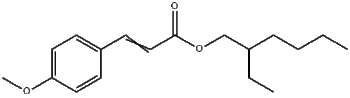
Octyl 4-methoxycinnamate, scientifically known as 2-Ethylhexyl 4-Methoxycinnamate, is a highly effective organic UV filter commonly used in the formulation of sunscreens and cosmetic products. This compound is renowned for its ability to absorb ultraviolet B (UVB) radiation, providing a reliable defense against the sun’s harmful effects on the skin.
Characterized by its chemical formula C19H28O3, Octyl 4-methoxycinnamate is a liquid ester that is readily soluble in organic solvents. It is valued for its photostability, which means it maintains its protective properties even after prolonged exposure to sunlight. This feature makes it an ideal ingredient for products designed to offer long-lasting sun protection.
In addition to its UVB absorption capabilities, Octyl 4-methoxycinnamate is also appreciated for its compatibility with other UV filters, allowing for the creation of broad-spectrum sunscreens. It contributes to the development of formulations that are non-greasy and cosmetically elegant, suitable for a variety of skin types.
As a key component in sun care products, Octyl 4-methoxycinnamate supports the skin’s health by preventing sunburn, reducing the risk of skin cancer, and delaying the signs of photoaging. Its safety profile and efficacy make it a preferred choice in the personal care and dermatological industries for sun protection solutions.
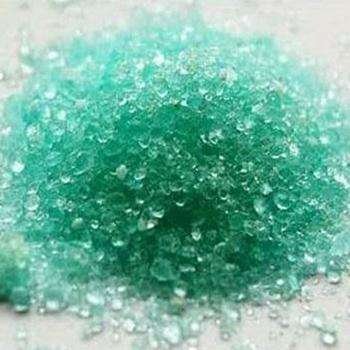
Chemical Name: Ammonium Iron(II) Sulfate
Synonyms: Diammonium iron bis(sulphate); iron (ii) ammonium sulfate
CAS No.: 10045-89-3
Molecular Formula: FeH5NO4S
Molecular Weight: 170.95

Chemical Name: Quercetin-3-O-sophoroside
CAS No.: 18609-17-1
Molecular Formula: C27H30O17
Molecular Weight: 626.52

Chemical Name: UV-120
Other Name: (2’,4’-Di-tert-butylphenyl 3,5-di-tert-butyl-4-hydroxybenzoate)
CAS No.: 4221-80-1
Molecular Fomula: C29H42O3
Molecular weight: 438.66
Assay: ≥99%(LC)

Common English name: 5-iodo-2,3-dihydropyridazin-3-one
CAS No.: 825633-94-1
Molecular formula: C4H3IN2O
Molecular weight: 221.98
Sample: Available

Terpene resin is a type of natural resin derived from terpenes, which are organic compounds found in various plants. It is known for its aromatic properties and is commonly used in the production of fragrances, flavorings, and as a component in adhesives and coatings within the chemical industry. Terpene resin offers a range of benefits, including enhancing the solubility of essential oils and providing a stable base for various applications. Its natural origin makes it a preferred choice for eco-friendly products.


Octocrylene is an organic compound widely recognized for its potent UV-filtering properties, making it an essential ingredient in sunscreens and other skincare products designed to protect the skin from harmful ultraviolet radiation. With the chemical name 2-(4-Methylbenzyl)-2H-benzotriazole-5-methyl, octocrylene is a stable and photostable molecule that provides broad-spectrum protection against both UVA and UVB rays.
This oil-soluble chemical is valued for its ability to absorb UV radiation effectively, converting it into heat without causing skin irritation or staining clothes. Octocrylene is often used in combination with other UV filters to enhance the sun protection factor (SPF) of formulations, ensuring a balanced and comprehensive defense against sun damage.
As a lipophilic compound, octocrylene is compatible with various cosmetic and dermatological formulations, contributing to the development of lightweight, non-greasy sunscreens. Its chemical structure allows for a high degree of safety and efficacy, making it suitable for a wide range of skin types, including sensitive skin.
In summary, octocrylene is a reliable and efficient UV filter, pivotal in the formulation of modern sunscreens that offer advanced protection against the sun’s harmful effects while maintaining skin comfort and product aesthetics.

Chemical Name: Imazalil Sulfate
CAS No.: 58594-72-2
Molecular Formula: C14H14Cl2N2O.H2SO4
Molecular Weight: 395.26
Appearance: Solid

Ethylhexyl Palmitate is a skin-conditioning ester, derived from ethylhexanol and palmitic acid, that imparts moisturization and a smooth texture to cosmetic and personal care formulations. It is valued for its emollient properties, enhancing the sensory experience of skin care products.

Chemical Name: STODDARD SOLVENT
CAS No.: 64742-88-7
Appearance: Colorless or Light Yellow Liquid
POLY(VINYL CHLORIDE-CO-ISOBUTYL VINYL ETHER) is a copolymer that combines the properties of vinyl chloride and isobutyl vinyl ether. This polymer offers a balance of rigidity and flexibility, along with enhanced chemical resistance and durability. It is commonly used in the production of films, coatings, and adhesives due to its excellent barrier properties against gases and moisture, making it ideal for packaging and construction applications.



Reviews
There are no reviews yet.