
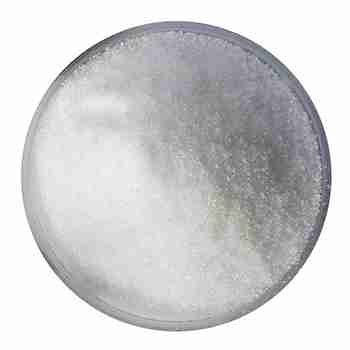
L-carnitine-L-tartrate powder CAS 36687-82-8
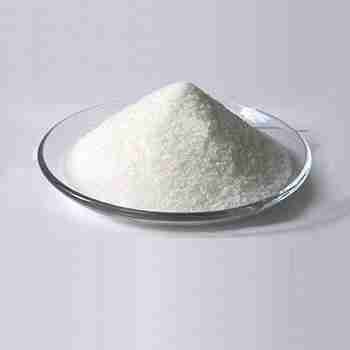
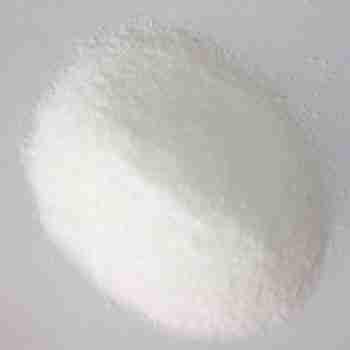
Appearance: White or off-white Crystalline Powder
Asay: L-Carnitine 68.2??1.0%???L-Tartaric acid 31.8??1.0%
Packaging: 25kgs per drum
Capacity: 600MT/year
Sample: Available
related documents:
COA for L-carnitine L-tartrate cas 36687-82-8
Request for product documents
Description
L-carnitine-L-tartrate powder
L-carnitine-L-tartrate?Quick Details
Chemical Name: L-carnitine-L-tartrate
CAS No.: 36687-82-8
Molecular Fomula:? C11H19NO8
L-carnitine-L-tartrate Structure:
Molecular weight:?293.27
Appearance: White or off-white Crystalline Powder
Asay??L-Carnitine 68.2??1.0%???L-Tartaric acid 31.8??1.0%
L-carnitine-L-tartrate Typical Properties
Check Item
Specification
?
Identification
In accordance with the IR absorption spectrum of the standard
Appearance
??White or off-white Crystalline Powder
?Particle size?(mesh)
Through 20mesh
Specific rotation
-9.5~ -11.0??
PH
3.0~4.5
Water
??0.50%
Residue on ignition
??0.50%
Residual?solvents?(Ethanol)
??0.5%
Solubility
Clarification
Cyanide
Non?detectable
Heavy metal
??10ppm
Arsenic (As)
??1ppm
Lead ??Pb??
??3ppm
Cadmium (Cd)
??1ppm
Mercury ??Hg??
??0.1ppm
TPC
??1000Cfu/g
Yeast & Mold
???100Cfu/g
E.Coli
Negative
Salmonella
Negative
L-Carnitine
68.2??1.0%
L-Tartaric acid
31.8??1.0%
bulk density
0.4-0.7g/ml
tapped density
0.5-0.9g/ml
L-carnitine-L-tartrate usage
It can be used as a nutrient fortifier, medicine, especially for solid preparations. Application L-carnitine tartrate is the ideal form of L-carnitine application, suitable for solid preparations, especially for tablets and capsules. L-carnitine tartrate is widely used in health care products, food and cosmetics industries.
L-carnitine-L-tartrate Packaging and Shipping
25kgs per drum
L-carnitine-L-tartrate?Storage
Dry coll stock
Related Products
Chemical Name: Zinc citrate
Synonyms: Zinc citrate trihydrate
CAS No.: 546-46-3
Molecular Formula: C6H8O7Zn
Molecular Weight: 257.5
Appearance: White powder

Hydrolyzed keratin is originated from wool and is a light yellow to brownish-yellow clear fluid with a particular smell. It needs to undertake unique organic treatment to come to be brief peptides prior to it can be naturally used. Treated keratin is an acknowledged prospective resource of high-quality healthy protein with high nutritional value and secure quality.
It is a keratin hydrolysate derived from acid, enzyme and other hydrolysis methods, and has been used in feed and food industry, pharmacy, fertilizer, pesticide, environmental protection, leather industry, cosmetics and many other fields. Specifically, the material can be blended with polyamide 6 to prepare nanofibers for adsorbing chromium (VI). In addition, the compound can be used as an effective ingredient in the manufacture of shampoo, shower gel and shower gel. In addition, the chemical can be used as an effective ingredient in the production of deodorization compositions. In addition, the substance has been proven to be useful as a hair styling agent.
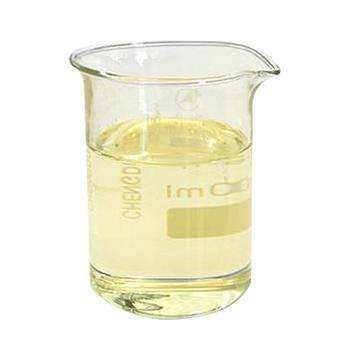
Chemical Name: Potassium Castorate
CAS No.: 8013-05-6
Molecular Formula: C57H107K3O12
Molecular Weight: 1101.74718
Appearance: Yellow Liquid
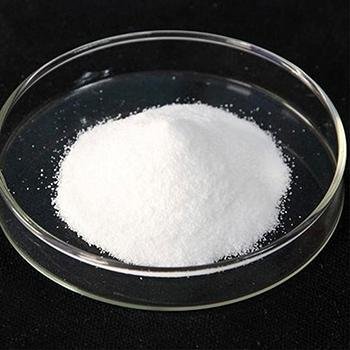
Chemical Name: UV-120
Other Name: (2’,4’-Di-tert-butylphenyl 3,5-di-tert-butyl-4-hydroxybenzoate)
CAS No.: 4221-80-1
Molecular Fomula: C29H42O3
Molecular weight: 438.66
Assay: ≥99%(LC)
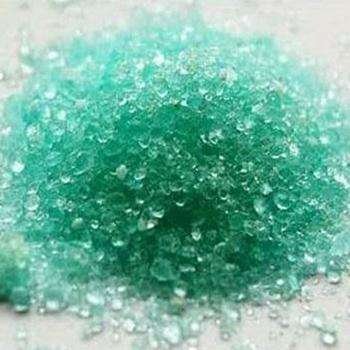
Chemical Name: Ammonium Iron(II) Sulfate
Synonyms: Diammonium iron bis(sulphate); iron (ii) ammonium sulfate
CAS No.: 10045-89-3
Molecular Formula: FeH5NO4S
Molecular Weight: 170.95
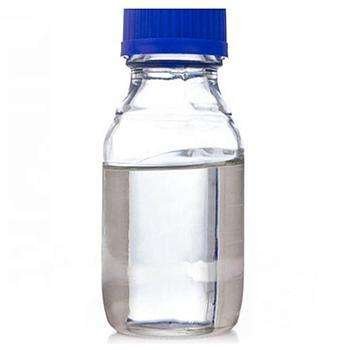
Chemical Name: STODDARD SOLVENT
CAS No.: 64742-88-7
Appearance: Colorless or Light Yellow Liquid

Chemical Name:?UDP-glucuronic acid
CAS No.: 2616-64-0
Molecular Fomula: C15H22N2O18P2
Molecular weight: 580.28
Appearance: Solid
Assay: 98%

Coenzyme A sodium salt hydrate (CAS 55672-92-9) is an important biologically active substance.
Appearance: Usually white or off-white powder. Solubility: Easily soluble in water, forming a clear solution in water.
Function: In the body, coenzyme A sodium salt hydrate is an important coenzyme that participates in a variety of biochemical reactions. It plays a key role in the metabolism of fatty acids, promoting the activation and oxidative decomposition of fatty acids. It participates in the tricarboxylic acid cycle and provides energy for cells. It is also important for the metabolism of certain amino acids.
Application: Commonly used in biochemistry and molecular biology research as a cofactor for enzyme reactions.
In the field of medicine, it may be used in the treatment or adjuvant treatment of certain diseases.

Hydroxyproline is a non-essential amino acid divided from another amino acid called proline. It is created by the communication of proline with ascorbic acid vitamin C. This process produces a hydroxyl team bound to a hydrogen-oxygen particle, which is affixed to a carbon particle of proline as well as converted to hydroxyproline.Trans-4-hydroxy-l-proline is an optically energetic form of 4-hydroxyproline with l-trans setup. It can be used as human metabolite, plant metabolite and also computer mouse metabolite. It is an tautomer of trans-4-hydroxy-l-proline zwitterions.
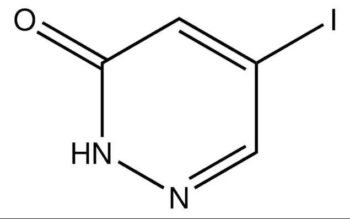
Common English name: 5-iodo-2,3-dihydropyridazin-3-one
CAS No.: 825633-94-1
Molecular formula: C4H3IN2O
Molecular weight: 221.98
Sample: Available

L-arginine (or arginine) is an amino acid that is recognized to be the ??building blocks?? of healthy proteins.?We get arginine from our diet plan, especially from animal-derived healthy protein foods, consisting of beef and various other sorts of red meat, chicken, fish, eggs, and also dairy items.
In addition to being normally present in a ??entire healthy protein?? that gives all the important amino acids we need, it is also produced in a research laboratory setting so it can be made use of to develop supplements that benefit heart health, sports efficiency, psychological performance, as well as extra.
Product name:Cyclopentane
Purity:96%
Appearance:White powder
Package:25kg/bag
Sample:Available



Reviews
There are no reviews yet.