
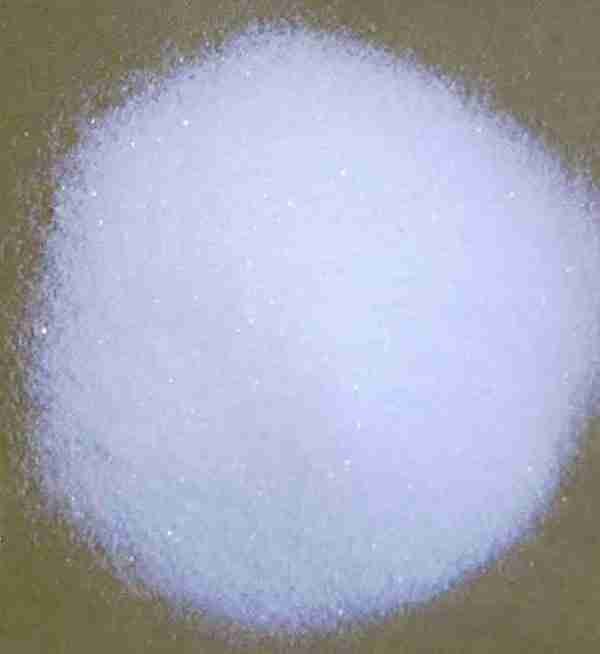
fructose-1,6-diphosphate cas 488-69-7 (1)
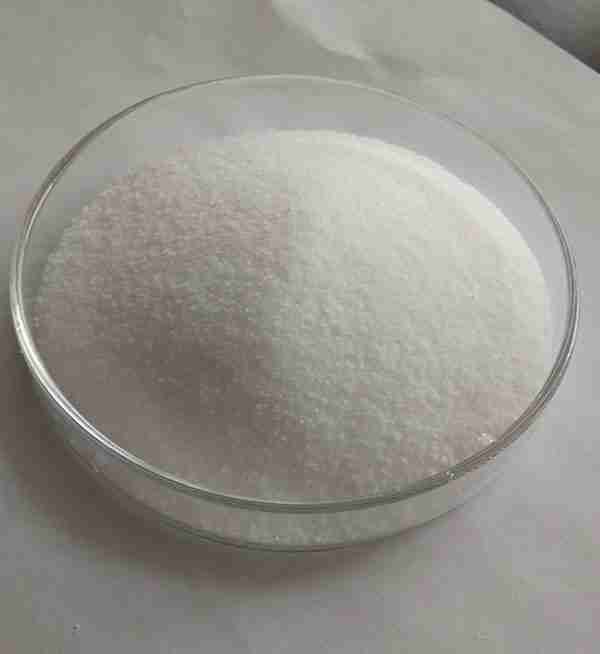

Chemical Name: Fructose-1,6-diphosphate
CAS No.:488-69-7
Molecular Fomula:C6H14O12P2
Molecular weight: 340.115682
Appearance: White crystalline or crystalline powder
Assay??98%min
Description
Fructose-1,6-diphosphateQuick Details
Chemical Name: Fructose-1,6-diphosphate
CAS No.:488-69-7
Molecular Fomula:C6H14O12P2
Chemical Structure:
Molecular weight: 340.115682
Appearance: White crystalline or crystalline powder
Assay??98%min
Fructose-1,6-diphosphate Typical Properties
Item
Specifications
Results
Appearance
White crystalline or crystalline powder
White crystalline
Identify
TLC
Must be similar in TLC spots and colour
Conforms
Precipitation
positive reaction
positive reaction
Sodium salt
positive reaction
positive reaction
IR
Must be similar with parallel table
Conforms
Inspect
Granularity
30
Conforms
Acidity
PH: 5.5??6.5
6.01
Appearance of solution
colourless
Conforms
Moisture
24.0??27.0??
26.59%
Heavy metal??Pb????mg/kg
??1.5
Conforms
Arsenic??As????mg/kg
??1.0
Conforms
Bacterial count??cfu/g
??1000
Conforms
Colibacillus??MPN/100g
??40
Conforms
Yeast , mold??cfu/g
??25
Conforms
Assay, Anhydrous??%
??98.0??
98.92??
Fructose-1,6-diphosphate Usage
Suitable for a variety of symptoms caused by cardiac ischemia for coronary heart disease, angina, acute myocardial infarction, heart failure and arrhythmia adjuvant therapy. In recent years, also used for myocardial injury caused by hyperkalemia, acute adult respiratory distress syndrome, dilated cardiomyopathy, parenteral nutrition, cardiopulmonary bypass heart surgery as adjuvant therapy, has a good effect. Can accelerate alcohol metabolism, for the adjuvant treatment of acute poisoning. Fructose can be used to supplement the heat diabetes, because fructose does not require insulin into glycogen in the liver or metabolic decomposition. In addition they can accelerate the metabolism of ethanol, can be used for the treatment of acute alcohol poisoning. Although it is part of the body can be converted into glucose, but not for hypoglycemia.
Fructose-1,6-diphosphate Packaging and Shipping
25kg per drum
Fructose-1,6-diphosphate Storage
Keep in a well-closed,light-resistant, dry and cool place.
Related Products
Polyglutamic acid (y-PGA), also known as natto gum, is a high molecular peptide polymer synthesized from several glutamic acid monomers through microbial fermentation. It is rich in glutamic acid, glucose, protein and minerals. , vitamins and other biologically active substances.
Polyglutamic acid (??-PGA) is a sticky substance that was first discovered in ??Natto??. It is currently widely used in agricultural production and is called a new biostimulant. It is fully water-soluble, biodegradable, edible, and non-toxic. It is a biopolymer produced by microbial fermentation.

EC 3.4.21.14, previously classified, now redirects to EC 3.4.21.67, identifying endopeptidase So. This serine endopeptidase is integral in the hydrolysis of peptide bonds, a critical function in biological systems. Its applications extend across research and development in the pharmaceutical and biotechnological industries.

Coenzyme A sodium salt hydrate (CAS 55672-92-9) is an important biologically active substance.
Appearance: Usually white or off-white powder. Solubility: Easily soluble in water, forming a clear solution in water.
Function: In the body, coenzyme A sodium salt hydrate is an important coenzyme that participates in a variety of biochemical reactions. It plays a key role in the metabolism of fatty acids, promoting the activation and oxidative decomposition of fatty acids. It participates in the tricarboxylic acid cycle and provides energy for cells. It is also important for the metabolism of certain amino acids.
Application: Commonly used in biochemistry and molecular biology research as a cofactor for enzyme reactions.
In the field of medicine, it may be used in the treatment or adjuvant treatment of certain diseases.

Chemical Name:?UDP-Glucuronic Acid Trisodium
CAS No.: 63700-19-6
Molecular Fomula: C15H23N2NaO18P2
Molecular weight: 604.28
Appearance: Solid
Assay: 98%
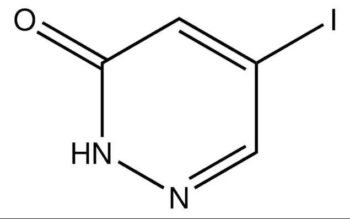
Common English name: 5-iodo-2,3-dihydropyridazin-3-one
CAS No.: 825633-94-1
Molecular formula: C4H3IN2O
Molecular weight: 221.98
Sample: Available

Chemical Name: 1,1,2,2-Tetrachloroethane
Other Name: Tetrachlorethane
CAS No.: 79-34-5
Molecular Formula: C2H2Cl4
Molecular Weight: 167.85
Appearance: Liquid
EC 3.4.21.14, previously classified, now redirects to EC 3.4.21.67, identifying endopeptidase So. This serine endopeptidase is integral in the hydrolysis of peptide bonds, a critical function in biological systems. Its applications extend across research and development in the pharmaceutical and biotechnological industries.

Chemical Name: Ammonium Iron(II) Sulfate
Synonyms: Diammonium iron bis(sulphate); iron (ii) ammonium sulfate
CAS No.: 10045-89-3
Molecular Formula: FeH5NO4S
Molecular Weight: 170.95
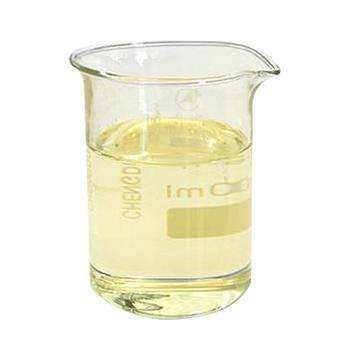
Chemical Name: Potassium Castorate
CAS No.: 8013-05-6
Molecular Formula: C57H107K3O12
Molecular Weight: 1101.74718
Appearance: Yellow Liquid

Hydroxyproline is a non-essential amino acid divided from another amino acid called proline. It is created by the communication of proline with ascorbic acid vitamin C. This process produces a hydroxyl team bound to a hydrogen-oxygen particle, which is affixed to a carbon particle of proline as well as converted to hydroxyproline.Trans-4-hydroxy-l-proline is an optically energetic form of 4-hydroxyproline with l-trans setup. It can be used as human metabolite, plant metabolite and also computer mouse metabolite. It is an tautomer of trans-4-hydroxy-l-proline zwitterions.

Chemical Name: 3-Hydroxybutyric acid
CAS No.: 625-71-8
Molecular Formula: C4H8O3
Molecular Weight: 104.1
Appearance: White powder
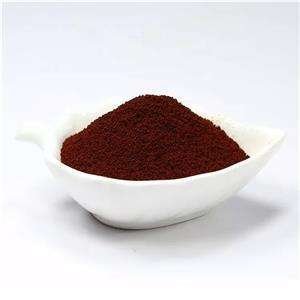
Chemical Name: Choline salicylate
CAS No.: 2016-36-6
Molecular Formula: C12H19NO4
Molecular Weight: 241.28
Appearance: Red-Brown Crystal



Reviews
There are no reviews yet.