
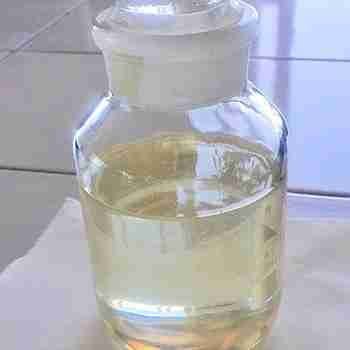
Fluoroboric Acid CAS 16872-11-0
Chemical Name: Fluoroboric Acid
Synonyms: Fluoboric acid; Tetrafluoroboric acid; Hydrogen tetrafluoroborate
CAS No.: 16872-11-0
Molecular Formula: BF3.FH
Molecular Weight: 87.81
Appearance: Liquid
Description
Fluoroboric Acid Details
Chemical Name: Fluoroboric Acid
Synonyms: Fluoboric acid; Tetrafluoroboric acid; Hydrogen tetrafluoroborate
CAS No.: 16872-11-0
Molecular Formula: BF3.FH
Molecular Weight: 87.81
Molecular?Structure:
Appearance: Liquid
Fluoroboric Acid Typical Properties
Melting Point
-90??C
Boiling Point
130??C (dec.)
Storage
-20??C
Colour
Light yellow
Appearance
Liquid
Solubility
Soluble in water and ethanol
Density
1.38?g/mL?at 20???C(lit.)
Stability
Stable
Vapor Pressure
5 mmHg ( 20 ??C)
Refractive Index
nD20 of a 20% aq soln 1.3284
Flash Point
?40???F
Acidity coefficient (pKa)
-4.9[at 20 ??]
?
Fluoroboric Acid Usage
Mainly used as corrosive and cleaning agent for electronic devices.
Fluoroboric Acid Packaging and Shipping
Packing: 25KG/Drum
Fluoroboric Acid Storage
Keep in a well-closed,light-resistant, dry and cool place. Store separately from cyanide, H pore-forming agents, and alkalis.
Related Products
Chemical Name: o-Xylene
Synonyms: 1,2-Dimethylbenzene; ortho-xylene
CAS No.: 95-47-6
Molecular Formula: C8H10
Molecular Weight: 106.17

Silicon dioxide, commonly known as silica, is a naturally occurring compound found in quartz and sand. It is a primary component of most rocks and is widely used in various industries due to its high thermal stability, chemical inertness, and optical clarity. In chemical applications, it is valued for its abrasive, refractory, and adsorptive properties, making it essential in products like glass, ceramics, and electronics.
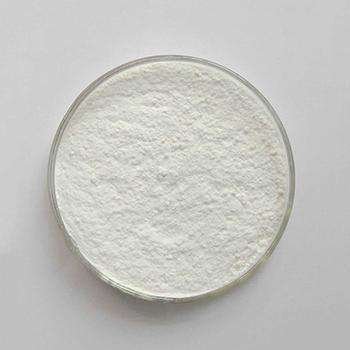
Chemical Name: Zinc citrate
Synonyms: Zinc citrate trihydrate
CAS No.: 546-46-3
Molecular Formula: C6H8O7Zn
Molecular Weight: 257.5
Appearance: White powder

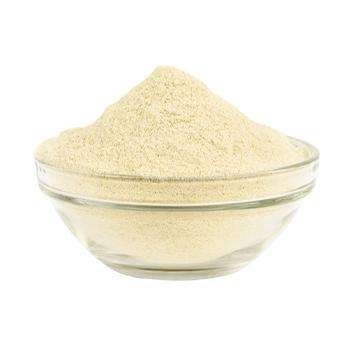
Sodium aluminosilicate (CAS No.73987-94-7) is an inorganic compound.
It has a certain application in industry. For example, in the ceramic industry, sodium aluminosilicate can be used as a flux and an ingredient in ceramic glazes, helping to improve the performance and appearance of ceramics.
In some chemical processes, it may also function as a precipitating agent or an additive.
In the field of materials science, the properties and structural characteristics of sodium aluminosilicate make it have potential application value in the research and development of some new materials.
Chemical Name: Arabic gum
CAS No.: 9000-01-5
Appearance: powder
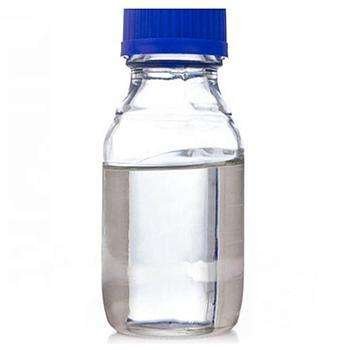
Chemical Name: STODDARD SOLVENT
CAS No.: 64742-88-7
Appearance: Colorless or Light Yellow Liquid
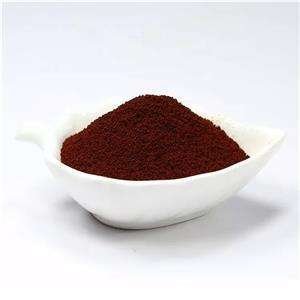
Chemical Name: Choline salicylate
CAS No.: 2016-36-6
Molecular Formula: C12H19NO4
Molecular Weight: 241.28
Appearance: Red-Brown Crystal
Kaolin, also known as china clay, is a naturally occurring hydrated aluminum silicate mineral. It is a soft, white, plastic clay that is widely used in ceramics, papermaking, and as a pigment in paints, coatings, and plastics. Kaolin is valued for its fine particle size, purity, and ability to improve the brightness and opacity of materials. Its inert nature and high refractive index make it ideal for various industrial applications, including cosmetics and pharmaceuticals.
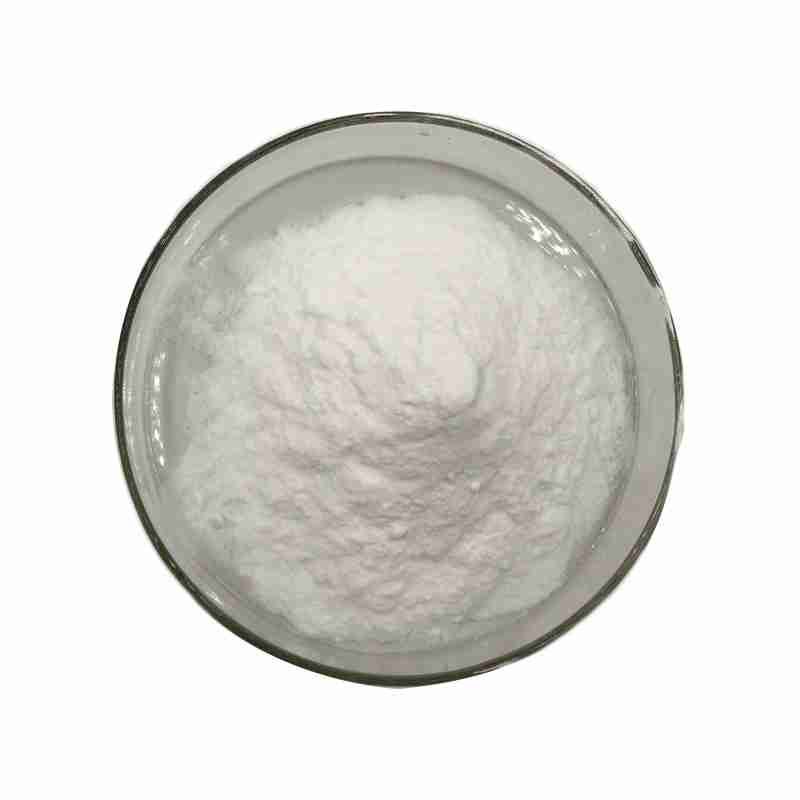
Ammonium sulfamate is a white crystalline compound with the chemical formula (NH4)2SO3. It is a versatile chemical used in various applications, including as a flame retardant, a fertilizer ingredient, and a chemical intermediate. In the agricultural sector, it serves as a source of nitrogen, promoting plant growth. As a flame retardant, it is effective in reducing the flammability of materials. Additionally, it is used in the synthesis of other chemicals due to its reactivity with amines and other organic compounds. Its properties make it a valuable component in a range of industrial processes.
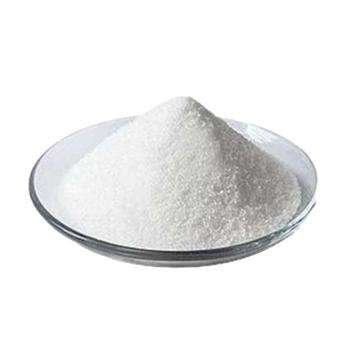
Chemical Name: 3-Hydroxybutyric acid
CAS No.: 625-71-8
Molecular Formula: C4H8O3
Molecular Weight: 104.1
Appearance: White powder
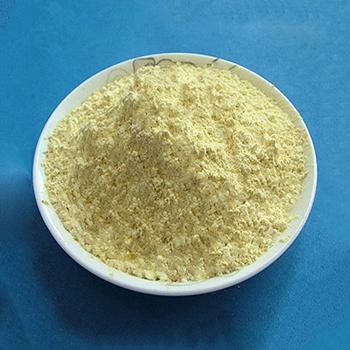
Product name:HYDROXYPROPYL GUAR HYDROXYPROPYLTRIMONIUM CHLORIDE
Purity:99%
Appearance:Light Yellow Powder
Package:Customized according to customer needs.
Sample:Available
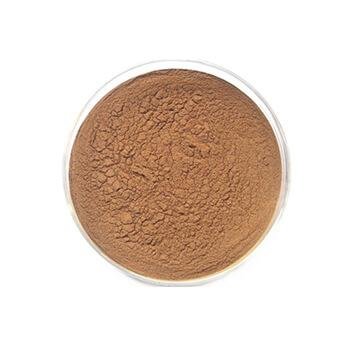
Chemical Name: Ashwagandha Extract
Synonyms: Withania somnifera, ext.; Withania Somnefera Extract
CAS: 90147-43-6
Appearance: Brown



Reviews
There are no reviews yet.