
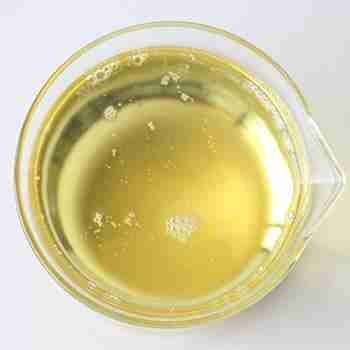
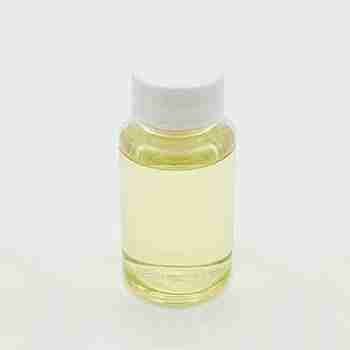
Description
Chamomile Oil Quick Details
Chemical Name: Chamomile Oil
Other Name: anthemis nobilis oil
CAS No.: 8015-92-7
Molecular Fomula: /
Chemical Structure:/
Molecular weight:?/
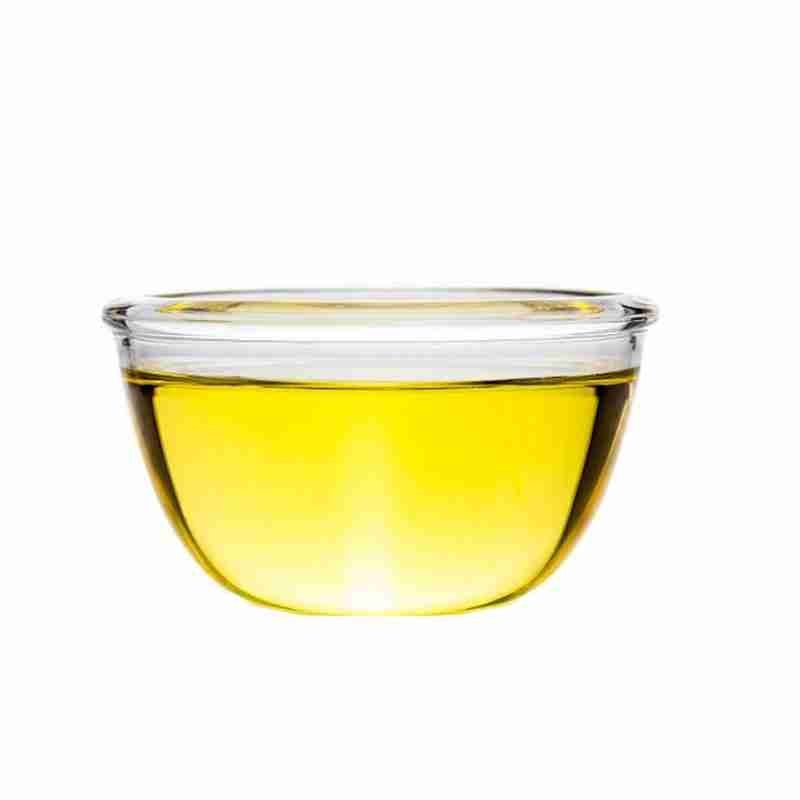
Appearance:?yellow liquid
Assay: ??99.0%
Chamomile Oil?Typical Properties
ITEMS
SPECIFICATION
Raw Material
Flowers
Supply Type
OEM/ODM
Available Quantity
500 ?C 1000 KG
Oil Grade
Therapeutic
Chamomile Oil?application:
Chamomile Oil?is?used in Widely used in fields such as food, cosmetics, and French aromatherapy
Chamomile Oil?Packaging and Shipping?
customized according to customer needs.
Chamomile Oil?Storage
It should be stored in a clean, dry and cool place, preventing from sunlight, rain.
Related Products
Chemical Name: alpha-Hexylcinnamaldehyde
CAS No.: 101-86-0
Molecular Formula: C15H20O
Molecular Weight: 216.32
Appearance: Yellow Liquid
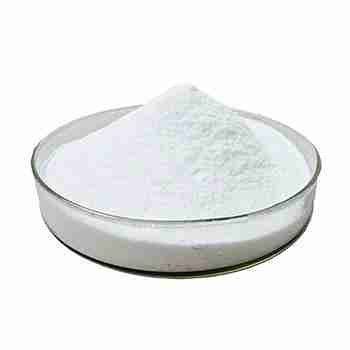
Chemical Name: (-)-Alpha-cedrene
Synonyms: levo-alpha-cedrene; ??-Cedrene
CAS No.:?469-61-4
Molecular Fomula:?C15H24
Molecular weight: 204.35
Appearance: White?powder
Assay????99.0%
Pogostemon cablin (Blanco) Benth Made from dried leaves. It is a viscous liquid ranging from reddish brown to greenish brown, with a unique, slightly camphor like woody fragrance.The patchouli shrub is mainly planted in Indonesia. It grows up to 1 meter, but when harvested, it will be cut to 10-15 centimeters. It is best to extract oil from sun dried leaves, with a yield of about 2%.The three terpenoids found in patchouli oil, namely caryophyllene, patchouli alcohol or patchouli alcohol, and nopachenol, are the typical sources of patchouli fragrance. Thin layer chromatography and high performance liquid chromatography are used to identify potential chemical markers for evaluating the quality of the Chinese herbal medicine ingredient ??patchouli herb?? (aboveground part of patchouli). In addition to the reported patchouli alcohol and 2-hydroxy-6-methyl-3- (4-methylpentanoyl) -4-pyranone, three phenylethane compounds (acteoside, isoacteoside, and crenatoside) were also isolated from this plant material for the first time.
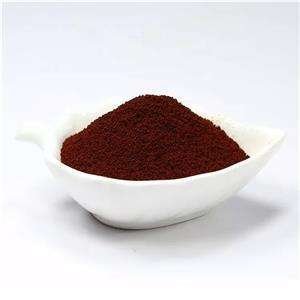
Chemical Name: Choline salicylate
CAS No.: 2016-36-6
Molecular Formula: C12H19NO4
Molecular Weight: 241.28
Appearance: Red-Brown Crystal
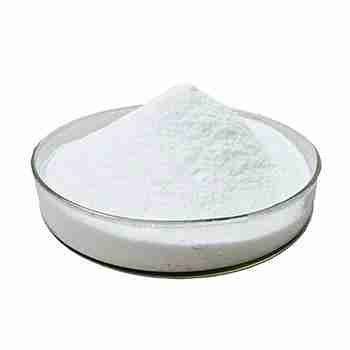
Chemical Name: z-3-decen-1-yl acetate
CAS No.: 81634-99-3
Molecular Fomula: C12H22O2
Molecular weight:?198.3
Appearance:?powder
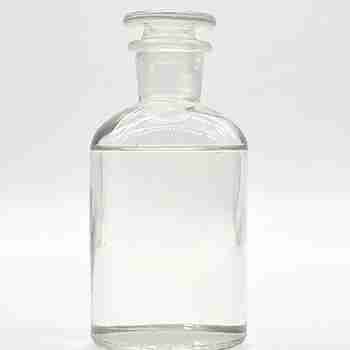
Chemical Name:?Ethyl Hexanoate
Synonyms: Ethyl caproate; Caproic acid ethyl ester; Ethyl butyl acetate; capronic ether; hexanoic acid ethyl ester
CAS No.: 123-66-0
Molecular Formula: C8H16O2
Molecular Weight: 144.21
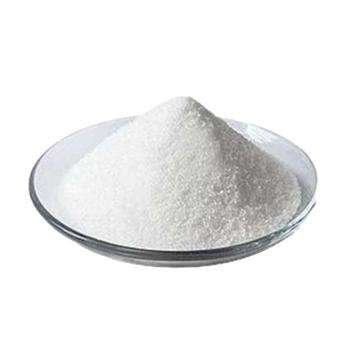
Chemical Name: 3-Hydroxybutyric acid
CAS No.: 625-71-8
Molecular Formula: C4H8O3
Molecular Weight: 104.1
Appearance: White powder
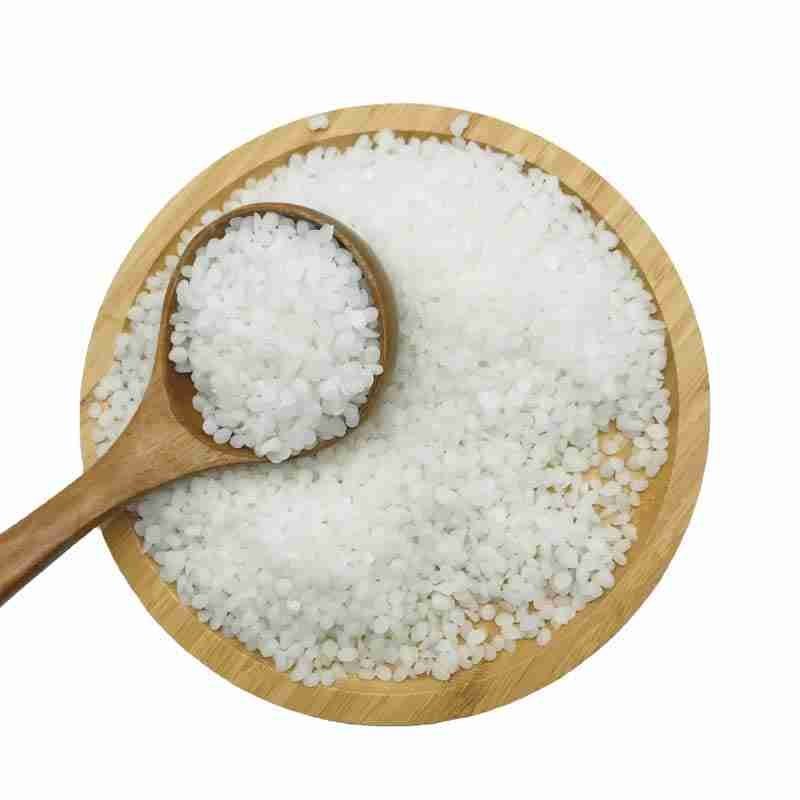
Menthol, also known as hexahydrothymol, is commonly known as L-menthol, and its scientific name is 5-methyl-2-isopropyl-cyclohexanol. It is a very important cycloterpene alcohol. L-menthol has a characteristic mint aroma and has a cooling effect. Racemic ?C menthol also has a cooling effect, while other isomers have no cooling effect. L-menthol accounts for a large proportion of applications in medicine and health. It can be used as poultice, ointment, analgesic, local anesthetic, cooling agent, antipruritic agent, mouthwash, bactericide, and for the treatment of toothache, Tablets for stomach pain, neuralgia, etc.; the second largest use is spices. L-menthol is a spice in demand among cyclic monoterpene alcohols. It can be used as tobacco spices, used with peppermint oil to prepare toothpaste flavors, and other spices. Toilet water; menthol can also be used as a flavoring agent for a variety of foods, such as candies, chewing gum, cakes, fruit wine, refreshing drinks, etc.
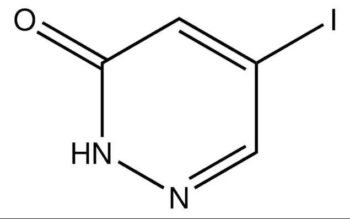
Common English name: 5-iodo-2,3-dihydropyridazin-3-one
CAS No.: 825633-94-1
Molecular formula: C4H3IN2O
Molecular weight: 221.98
Sample: Available
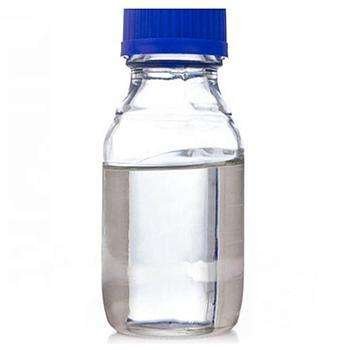
Chemical Name: STODDARD SOLVENT
CAS No.: 64742-88-7
Appearance: Colorless or Light Yellow Liquid
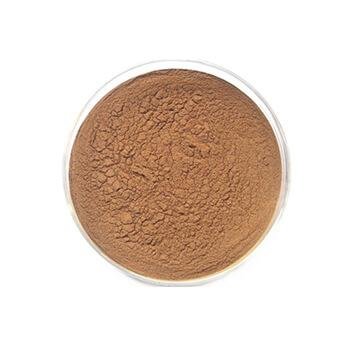
Chemical Name: Ashwagandha Extract
Synonyms: Withania somnifera, ext.; Withania Somnefera Extract
CAS: 90147-43-6
Appearance: Brown
As an organic compound, Cinnamyl alcohol has a very distinct sweet, spicy, hyacinth odour that is found in resins, balsams and cinnamon leaves. It is used commonly in the fragrance industry due to its distinctive odour, which can be applied as a deodorant, fragrance and additive in cosmetic products and in the formulation of bath products, body and hand products, such as soaps, toothpaste, deodorants, etc. Besides, it also finds application as a food additive in chewing gum, bakery products, candy and soft drinks. Naturally, Cinnamyl alcohol is occurrent only in small amount, thus its industrial demand is usually fulfilled by chemical synthesis starting from the reduction of cinnamaldehyde.



Reviews
There are no reviews yet.