
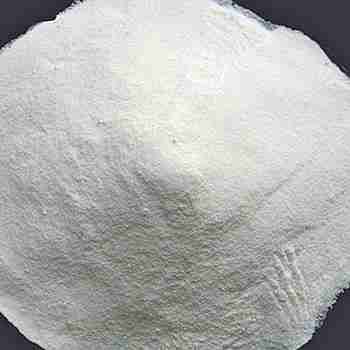
2??-Deoxyguanosine-5??-triphosphate Trisodium Salt Cas 93919-41-6
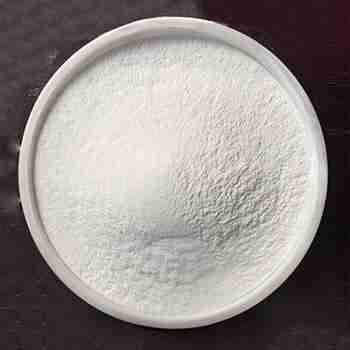
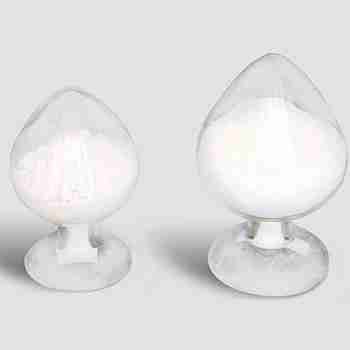
Chemical Name: 2??-Deoxyguanosine-5??-triphosphate trisodium salt
CAS No.: 93919-41-6
Molecular Fomula: C10H17N5NaO13P3
Molecular weight:?531.18
Appearance:?white solid
Description
2??-Deoxyguanosine-5??-triphosphate trisodium salt Quick Details
Chemical Name: 2??-Deoxyguanosine-5??-triphosphate trisodium salt
CAS No.: 93919-41-6
Molecular Fomula: C10H17N5NaO13P3
Chemical Structure:
Molecular weight:?531.18
Appearance:?white solid
Assay????98.0%
2??-Deoxyguanosine-5??-triphosphate trisodium salt?Typical Properties
ITEMS
SPECIFICATION
Melt point
>0??C
2??-Deoxyguanosine-5??-triphosphate trisodium salt?application:
As a plant growth regulator
As a reagent
2??-Deoxyguanosine-5??-triphosphate trisodium salt?Packaging and Shipping
customized according to customer needs.
2??-Deoxyguanosine-5??-triphosphate trisodium salt?Storage
It should be stored in a clean, dry and cool place, preventing from sunlight, rain.
Related Products
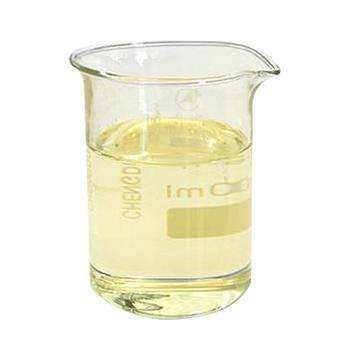
Chemical Name: Potassium Castorate
CAS No.: 8013-05-6
Molecular Formula: C57H107K3O12
Molecular Weight: 1101.74718
Appearance: Yellow Liquid
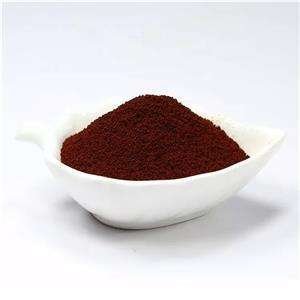
Chemical Name: Choline salicylate
CAS No.: 2016-36-6
Molecular Formula: C12H19NO4
Molecular Weight: 241.28
Appearance: Red-Brown Crystal

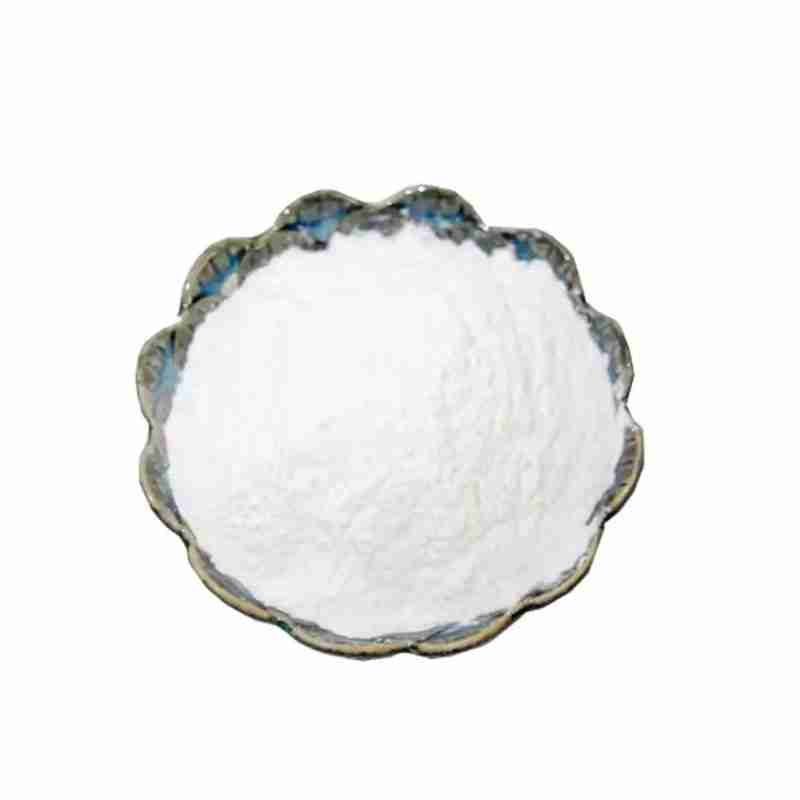
Coenzyme A sodium salt hydrate (CAS 55672-92-9) is an important biologically active substance.
Appearance: Usually white or off-white powder. Solubility: Easily soluble in water, forming a clear solution in water.
Function: In the body, coenzyme A sodium salt hydrate is an important coenzyme that participates in a variety of biochemical reactions. It plays a key role in the metabolism of fatty acids, promoting the activation and oxidative decomposition of fatty acids. It participates in the tricarboxylic acid cycle and provides energy for cells. It is also important for the metabolism of certain amino acids.
Application: Commonly used in biochemistry and molecular biology research as a cofactor for enzyme reactions.
In the field of medicine, it may be used in the treatment or adjuvant treatment of certain diseases.
Polyglutamic acid (y-PGA), also known as natto gum, is a high molecular peptide polymer synthesized from several glutamic acid monomers through microbial fermentation. It is rich in glutamic acid, glucose, protein and minerals. , vitamins and other biologically active substances.
Polyglutamic acid (??-PGA) is a sticky substance that was first discovered in ??Natto??. It is currently widely used in agricultural production and is called a new biostimulant. It is fully water-soluble, biodegradable, edible, and non-toxic. It is a biopolymer produced by microbial fermentation.
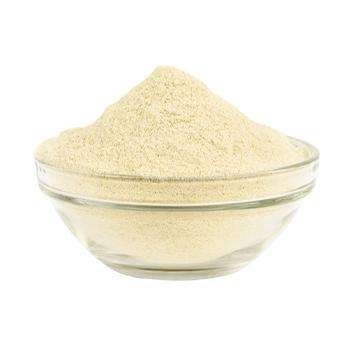
Chemical Name: Arabic gum
CAS No.: 9000-01-5
Appearance: powder

Ectoine is a naturally occurring osmoprotectant, a cyclic amino acid derivative that offers exceptional cell-stabilizing properties. Highly valued in cosmetics and pharmaceuticals, it enhances product efficacy by maintaining cell integrity under various environmental stresses.
EC 3.4.21.14, previously classified, now redirects to EC 3.4.21.67, identifying endopeptidase So. This serine endopeptidase is integral in the hydrolysis of peptide bonds, a critical function in biological systems. Its applications extend across research and development in the pharmaceutical and biotechnological industries.
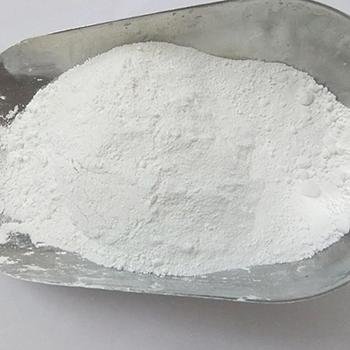
Product name:Cyclopentane
Purity:96%
Appearance:White powder
Package:25kg/bag
Sample:Available
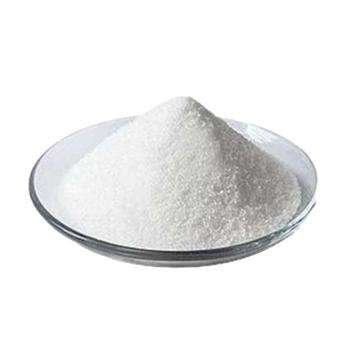
Chemical Name: 3-Hydroxybutyric acid
CAS No.: 625-71-8
Molecular Formula: C4H8O3
Molecular Weight: 104.1
Appearance: White powder
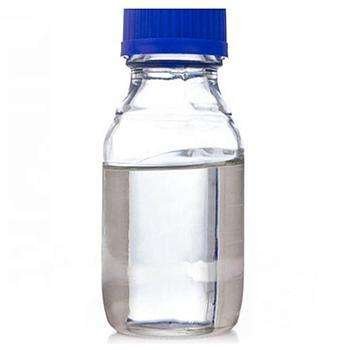
Chemical Name: STODDARD SOLVENT
CAS No.: 64742-88-7
Appearance: Colorless or Light Yellow Liquid
EC 3.4.21.14, previously classified, now redirects to EC 3.4.21.67, identifying endopeptidase So. This serine endopeptidase is integral in the hydrolysis of peptide bonds, a critical function in biological systems. Its applications extend across research and development in the pharmaceutical and biotechnological industries.
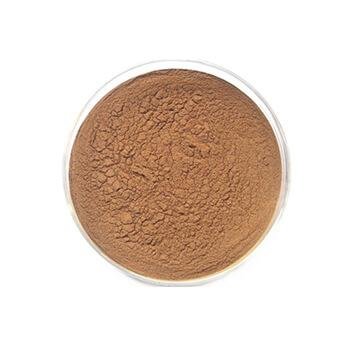
Chemical Name: Ashwagandha Extract
Synonyms: Withania somnifera, ext.; Withania Somnefera Extract
CAS: 90147-43-6
Appearance: Brown



Reviews
There are no reviews yet.