Daily Chemicals
-
Imidazolidine CAS#504-74-5阅读更多
Imidazoline, as an amphoteric surfactant, is suitable for the combination of anionic surfactants, which can reduce the irritation of products, and has been favored by users for its biodegradability, high purity, low toxicity and other mild properties, and has been further widely used in many fields. The wetting rate of imidazoline as an amphoteric surfactant is 1 times faster than that of traditional surfactants. Imidazoline amphoteric surfactant can be used as an excellent solvent enhancer to enhance this property, and its excellent stability and transparency properties are more suitable for the formulation of higher solid products. The excellent performance of amphoteric surfactant is also that it has foaming stability, and the stabilizer suitable for foam has more excellent foaming property than the traditional product, and the foam quality generated by it is milky, smooth and rich.
-
Iron Hydroxide Oxide CAS #20344-49-4阅读更多
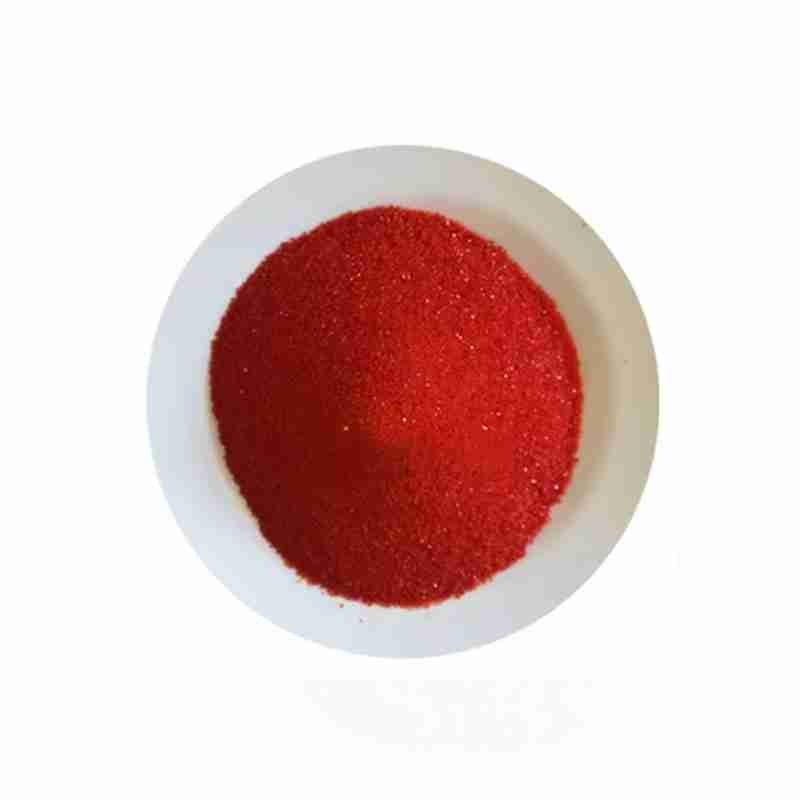
Iron oxides, including iron hydroxides and hydrated oxides, are natural minerals and geocatalysts that are abundant in the earth??s crust. Because the chemical properties of iron are very reactive, there are many secondary iron minerals, such as maghemite (??-Fe2O3), hematite (??-Fe2O3), lepidocrocite (??-FeOOH), goethite ( ??-FeOOH), hydrated iron (III) oxide (Fe5HO8??4H2O) and magnetite (Fe3O4) exist in large amounts as suspended matter in the water system. Iron oxides play a very important role in various chemical and biological processes involving the transformation of organic compounds in aquatic ecosystems.
Hydrated iron (III) oxide refers to a natural nanoscale iron hydroxide mineral commonly found in the natural environment (soil, water sediments, etc.), and can also be easily synthesized in the laboratory. Hydrated iron(III) oxide is difficult to characterize due to its small size and low crystallinity.
-
Iron Oxide CAS #1317-61-9 Triiron Tetraoxide阅读更多
Iron trioxide, chemical formula Fe3O4. Also known as iron oxide black, magnet, magnetite, or black iron, it is a black crystal with magnetism, hence it is also called magnetic iron oxide. It cannot be pronounced as ??ferrous metaferrite?? or ??ferrous metaferrite?? Fe (FeO2) 2, and is not a mixture of iron oxide and ferrous oxide, but can be approximated as a compound of ferrous oxide and ferrous oxide. This substance is soluble in acids, insoluble in water, alkali, and organic solvents such as ethanol and ether. Natural ferric oxide is insoluble in acids and can easily oxidize into ferric oxide in the air in humid conditions. Usually used as a pigment and polishing agent, it can also be used to manufacture audio tapes and telecommunications equipment.
-
Isooctyl palmitate CAS #1341-38-4阅读更多Featured
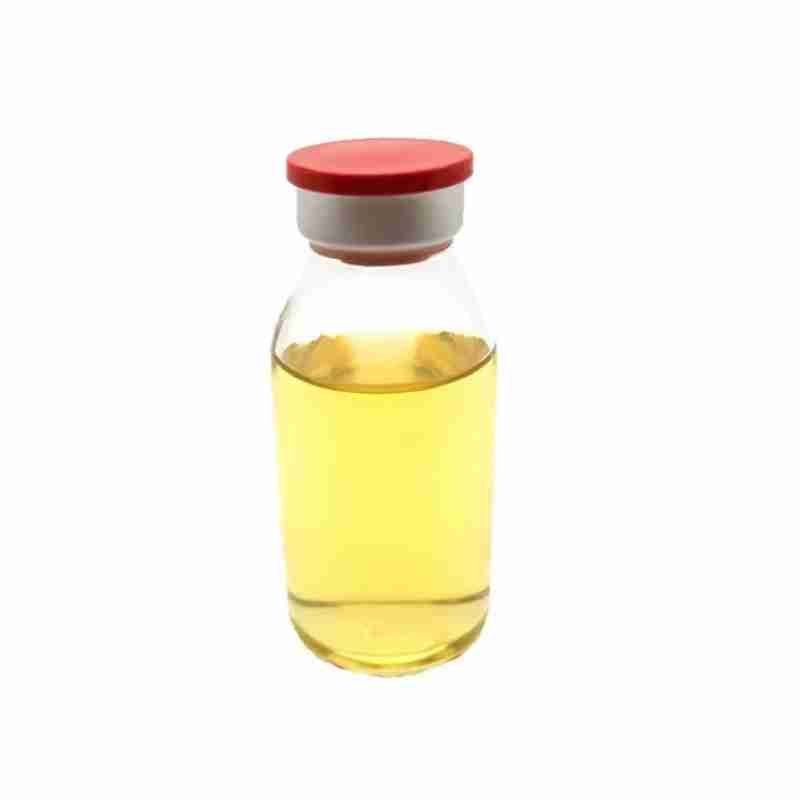
Isooctyl palmitate, also known as isooctyl palmitate, has the CAS number of 1341-38-4. It is a colorless to slightly yellow transparent oily liquid with the following properties and uses:
Properties: Good chemical and thermal stability, insoluble in water, soluble in conventional organic solvents and oils used in the cosmetics industry;
Uses: It is a widely used fine chemical product, commonly used in various human skin care products, and is an excellent skin softener. It has stable performance, is not easy to oxidize or produce odor, can make the skin soft and smooth without greasy feeling, has good permeability, and can be used as a good solvent for pigments in lipstick and mascara. It is often used in the formulation of skin cream, foundation cream, hair oil, eye shadow, lipstick, mascara, etc. It can also be used as a plasticizer for ethyl cellulose, nitrocellulose and polystyrene, and can also be used as an auxiliary plasticizer for polyvinyl chloride. -
Isopropyl myristate CAS#110-27-0阅读更多
Isopropyl myristate (IPM) is an ester-based compound commonly utilized as an emollient and solvent in the cosmetic and personal care industry. Derived from myristic acid and isopropanol, IPM possesses a lightweight, non-greasy texture that allows for easy absorption and spreadability on the skin.
Chemically, it is represented by the formula C18H36O2, and it is known for its ability to dissolve a wide range of lipophilic (fat-soluble) ingredients, making it an ideal carrier for fragrances, vitamins, and other active components in formulations. IPM is also valued for its emollient properties, which help to soften and smooth the skin without leaving a residue.
This ester is non-comedogenic, meaning it does not clog pores, and is suitable for various skin types, including sensitive and acne-prone skin. Its stability and compatibility with other ingredients make it a versatile component in the creation of lotions, creams, makeup products, and sunscreens.
In summary, isopropyl myristate is a beneficial ingredient in skincare and cosmetic products due to its solubilizing capabilities, emollience, and non-comedogenic nature, offering a smooth application and enhancing the sensory experience without compromising skin health.
-
Isopropyl myristate CAS#110-27-0阅读更多
Isopropyl Myristate is a versatile ester derived from isopropyl alcohol and myristic acid, serving as an emollient and solvent in cosmetics and pharmaceuticals. It enhances product texture and spreadability, ensuring a smooth and comfortable application experience.
-
Isopropyl myristate CAS#110-27-0阅读更多
Isopropyl myristate (IPM) is an ester-based compound commonly utilized as an emollient and solvent in the cosmetic and personal care industry. Derived from myristic acid and isopropanol, IPM possesses a lightweight, non-greasy texture that allows for easy absorption and spreadability on the skin.
Chemically, it is represented by the formula C18H36O2, and it is known for its ability to dissolve a wide range of lipophilic (fat-soluble) ingredients, making it an ideal carrier for fragrances, vitamins, and other active components in formulations. IPM is also valued for its emollient properties, which help to soften and smooth the skin without leaving a residue.
This ester is non-comedogenic, meaning it does not clog pores, and is suitable for various skin types, including sensitive and acne-prone skin. Its stability and compatibility with other ingredients make it a versatile component in the creation of lotions, creams, makeup products, and sunscreens.
In summary, isopropyl myristate is a beneficial ingredient in skincare and cosmetic products due to its solubilizing capabilities, emollience, and non-comedogenic nature, offering a smooth application and enhancing the sensory experience without compromising skin health.
-
Isopropyl myristate CAS#110-27-0阅读更多
Isopropyl Myristate is a versatile ester derived from isopropyl alcohol and myristic acid, serving as an emollient and solvent in cosmetics and pharmaceuticals. It enhances product texture and spreadability, ensuring a smooth and comfortable application experience.
-
Isopropyl myristate CAS#110-27-0阅读更多
This product is a colorless and odorless liquid that can be miscible with vegetable oil. Resistant to hydrolysis and rancidity. Refractive index nD201.435 ~ 1.438, relative density (20??) 0.85 ~ 0.86. Use as a dispersing agent for lipstick, hair cream, lip balm, cleaning cream, perfume powder and medical ointment, and also as a perfume fixing agent. Application It is suitable for use as dispersing agent in cosmetics and pharmaceutical industry, and also as fixing agent in perfume.
-
Isopropyl Palmitate CAS#142-91-6阅读更多
Isopropyl palmitate (IPP), is a low-viscosity lipophilic non-ionic surfactant, is a very valuable auxiliary raw material in cosmetics, and is used for advanced cosmetics such as creams and hair conditioners. Isopropyl palmitate is insoluble in water, but miscible with organic solvents such as alcohol, ketone, methylene chloride, grease, etc., and the general dosage is 2%~10% (mass fraction). Paste and lotion are white, bright and delicate, improving product quality.
-
Isosorbide dimethyl ether CAS#5306-85-4阅读更多
The appearance of isosorbide dimethyl ether is colorless oily liquid, stable under neutral conditions, hygroscopic, can be miscible with many organic solvents, often used as a solvent. DMI can promote the penetration of the active component into the epidermal layer of the skin, giving full play to the effect of the active component. Mainly used in medicine and cosmetics.
-
Isothiazolinones CAS#26172-55-4阅读更多
Isothiazolinones are a class of broad-spectrum, highly effective fungicides and biocides, composed of 5-chloro-2-methyl-4-thiazoline-3-one (CMI) and 2-methyl-4-thiazoline-3-one (MI). These compounds are recognized for their rapid action against microbes, inhibiting their growth upon contact and leading to cell death 9. They are characterized by high biocidal efficiency, good degradation, no residual, safe operation, compatibility, stabilization, and low operational costs 9.
Isothiazolinones are used in various industrial applications, including cooling water systems and wastewater treatment in fields such as oil, papermaking, pesticides, cutting oils, leather, detergents, and cosmetics. They are compatible with chlorine and most cationic, anionic, and non-ionic surfactants, and at higher dosages, they exhibit excellent bio-sludge stripping effects 9.
The active content in Isothiazolinones-based products typically ranges from 1.5% to 15%, with a pH value between 1.0 and 5.0, depending on the grade. They are available in various forms such as transparent liquids and are packaged in quantities that can be tailored to specific industrial needs 10. Safety precautions are essential when handling Isothiazolinones due to their corrosive nature; they should not come into contact with skin or eyes, and protective equipment is recommended during use
-
Isothiazolinones CAS#26172-55-4阅读更多
Isothiazolinones are a class of broad-spectrum, highly effective fungicides and biocides, composed of 5-chloro-2-methyl-4-thiazoline-3-one (CMI) and 2-methyl-4-thiazoline-3-one (MI). These compounds are recognized for their rapid action against microbes, inhibiting their growth upon contact and leading to cell death 9. They are characterized by high biocidal efficiency, good degradation, no residual, safe operation, compatibility, stabilization, and low operational costs 9.
Isothiazolinones are used in various industrial applications, including cooling water systems and wastewater treatment in fields such as oil, papermaking, pesticides, cutting oils, leather, detergents, and cosmetics. They are compatible with chlorine and most cationic, anionic, and non-ionic surfactants, and at higher dosages, they exhibit excellent bio-sludge stripping effects 9.
The active content in Isothiazolinones-based products typically ranges from 1.5% to 15%, with a pH value between 1.0 and 5.0, depending on the grade. They are available in various forms such as transparent liquids and are packaged in quantities that can be tailored to specific industrial needs 10. Safety precautions are essential when handling Isothiazolinones due to their corrosive nature; they should not come into contact with skin or eyes, and protective equipment is recommended during use
-
Keratin Hydrolyzed CAS# 69430-36-0阅读更多
Hydrolyzed keratin is originated from wool and is a light yellow to brownish-yellow clear fluid with a particular smell. It needs to undertake unique organic treatment to come to be brief peptides prior to it can be naturally used. Treated keratin is an acknowledged prospective resource of high-quality healthy protein with high nutritional value and secure quality.
It is a keratin hydrolysate derived from acid, enzyme and other hydrolysis methods, and has been used in feed and food industry, pharmacy, fertilizer, pesticide, environmental protection, leather industry, cosmetics and many other fields. Specifically, the material can be blended with polyamide 6 to prepare nanofibers for adsorbing chromium (VI). In addition, the compound can be used as an effective ingredient in the manufacture of shampoo, shower gel and shower gel. In addition, the chemical can be used as an effective ingredient in the production of deodorization compositions. In addition, the substance has been proven to be useful as a hair styling agent.
-
L-Carnosine CAS #305-84-0阅读更多
Carnosine was discovered together with carnitine by the Russian chemist Gurevitch. Studies in the UK, South Korea, Russia and other countries have shown that carnosine has strong antioxidant capacity and is beneficial to the human body. Carnosine has been shown to scavenge reactive oxygen species (ROS) and ??-?? unsaturated aldehydes formed during oxidative stress by excessive oxidation of fatty acids in cell membranes.
L-Carnosine is a small molecule with a left-handed structure of a natural dipeptide that is ubiquitous in nature. It is a dipeptide composed of ??-alanine and L-histidine. Carnosine has cellular antioxidant, anti-aging and various physiological health functions and medical effects. It has therapeutic effects on hypertension, heart disease, senile cataracts, ulcer healing, etc. It also has anti-tumor, immune model tests, and anti-stress effects. stimulating factors and other effects.
-
L-Hydroxyproline CAS# 51-35-4阅读更多
Hydroxyproline is a non-essential amino acid divided from another amino acid called proline. It is created by the communication of proline with ascorbic acid vitamin C. This process produces a hydroxyl team bound to a hydrogen-oxygen particle, which is affixed to a carbon particle of proline as well as converted to hydroxyproline.Trans-4-hydroxy-l-proline is an optically energetic form of 4-hydroxyproline with l-trans setup. It can be used as human metabolite, plant metabolite and also computer mouse metabolite. It is an tautomer of trans-4-hydroxy-l-proline zwitterions.
-
L-Hydroxyproline CAS# 51-35-4阅读更多
Hydroxyproline is a non-essential amino acid divided from another amino acid called proline. It is created by the communication of proline with ascorbic acid vitamin C. This process produces a hydroxyl team bound to a hydrogen-oxygen particle, which is affixed to a carbon particle of proline as well as converted to hydroxyproline.Trans-4-hydroxy-l-proline is an optically energetic form of 4-hydroxyproline with l-trans setup. It can be used as human metabolite, plant metabolite and also computer mouse metabolite. It is an tautomer of trans-4-hydroxy-l-proline zwitterions.
-
L-Menthol CAS #2216-51-5阅读更多
Menthol, also known as hexahydrothymol, is commonly known as L-menthol, and its scientific name is 5-methyl-2-isopropyl-cyclohexanol. It is a very important cycloterpene alcohol. L-menthol has a characteristic mint aroma and has a cooling effect. Racemic ?C menthol also has a cooling effect, while other isomers have no cooling effect. L-menthol accounts for a large proportion of applications in medicine and health. It can be used as poultice, ointment, analgesic, local anesthetic, cooling agent, antipruritic agent, mouthwash, bactericide, and for the treatment of toothache, Tablets for stomach pain, neuralgia, etc.; the second largest use is spices. L-menthol is a spice in demand among cyclic monoterpene alcohols. It can be used as tobacco spices, used with peppermint oil to prepare toothpaste flavors, and other spices. Toilet water; menthol can also be used as a flavoring agent for a variety of foods, such as candies, chewing gum, cakes, fruit wine, refreshing drinks, etc.
-
L(+)-Arginine CAS# 74-79-3阅读更多
L-arginine (or arginine) is an amino acid that is recognized to be the ??building blocks?? of healthy proteins.?We get arginine from our diet plan, especially from animal-derived healthy protein foods, consisting of beef and various other sorts of red meat, chicken, fish, eggs, and also dairy items.
In addition to being normally present in a ??entire healthy protein?? that gives all the important amino acids we need, it is also produced in a research laboratory setting so it can be made use of to develop supplements that benefit heart health, sports efficiency, psychological performance, as well as extra.
-
Lactobionic Acid CAS# 96-82-2阅读更多
Lactobionic acid (C12H22O12) is a disaccharide obtained from the oxidation of lactose. Chemically, Lactobionic acid is made up of a galactose moiety that is bonded to a gluconic acid molecule through an ether-like bond. The compound can be dehydrated to a lactone. Lactobionic acid is widely used in the chemical, food and pharmaceutical industries due to its chelating, emulsifying, humectant and chelating properties. Lactobionic acid and its constituent salts are essential as food additives due to excellent solubility, good taste, and health-promoting aspects. The compound may also be essential in the synthesis of targetable and biocompatible drug delivery systems.