
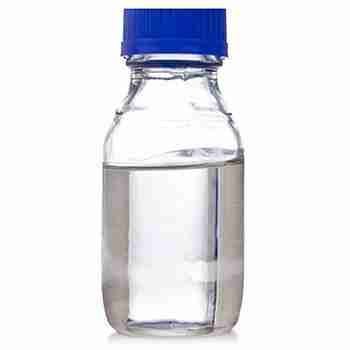
Boron Trifluoride Phosphoric Acid Complex CAS 13669-76-6
Chemical Name: BORON TRIFLUORIDE PHOSPHORIC ACID COMPLEX
CAS No.: 13669-76-6
Molecular Fomula: BF3HO4P-2
Molecular weight:163.78
Appearance:?Transparent liquid
Description
Boron Trifluoride Phosphoric Acid Complex Quick Details
Chemical Name: Boron Trifluoride Phosphoric Acid Complex
CAS No.: 13669-76-6
Molecular Fomula: BF3HO4P-2
Chemical Structure:?
Molecular weight:163.78
Appearance:?Transparent liquid
Boron Trifluoride Phosphoric Acid Complex Typical Properties
ITEMS
SPECIFICATION
Assay
99%min
Appearance
Transparent liquid
?
Boron Trifluoride Phosphoric Acid Complex application:
Can be used as alkylation reaction and oligomerization reaction catalyst.
Boron Trifluoride Phosphoric Acid Complex Packaging and Shipping?
200kg/drum
Boron Trifluoride Phosphoric Acid Complex Storage
It should be stored in a clean, dry and cool place, preventing from sunlight, rain.
Related Products
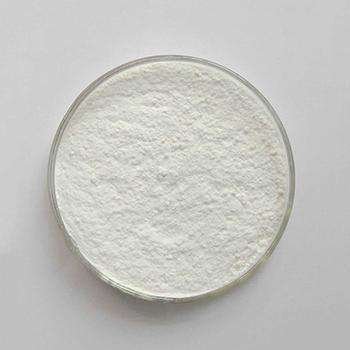
Chemical Name: Quercetin-3-O-sophoroside
CAS No.: 18609-17-1
Molecular Formula: C27H30O17
Molecular Weight: 626.52
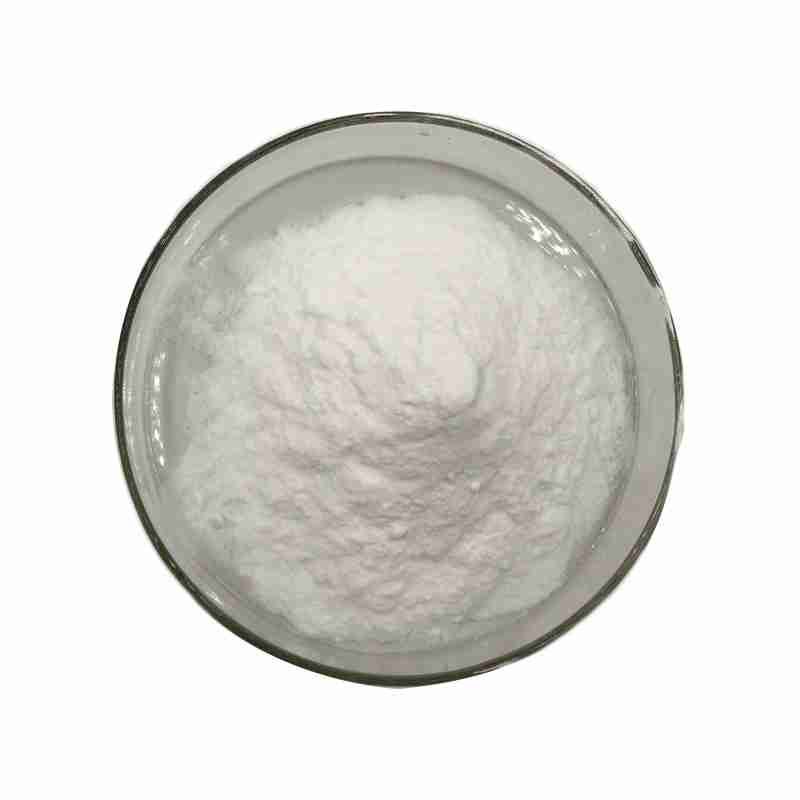
Chemical Name: Zinc citrate
Synonyms: Zinc citrate trihydrate
CAS No.: 546-46-3
Molecular Formula: C6H8O7Zn
Molecular Weight: 257.5
Appearance: White powder
Ammonium sulfamate is a white crystalline compound with the chemical formula (NH4)2SO3. It is a versatile chemical used in various applications, including as a flame retardant, a fertilizer ingredient, and a chemical intermediate. In the agricultural sector, it serves as a source of nitrogen, promoting plant growth. As a flame retardant, it is effective in reducing the flammability of materials. Additionally, it is used in the synthesis of other chemicals due to its reactivity with amines and other organic compounds. Its properties make it a valuable component in a range of industrial processes.

Carbon is a fundamental element found in all organic life and a key component of many inorganic materials. It is known for its ability to form long chains and complex structures, which makes it the basis of various compounds, including diamond, graphite, and fullerenes. Carbon is used in a wide range of applications, from manufacturing steel and other alloys to being a key element in batteries and as a pigment in inks and paints.

Sodium aluminosilicate (CAS No.73987-94-7) is an inorganic compound.
It has a certain application in industry. For example, in the ceramic industry, sodium aluminosilicate can be used as a flux and an ingredient in ceramic glazes, helping to improve the performance and appearance of ceramics.
In some chemical processes, it may also function as a precipitating agent or an additive.
In the field of materials science, the properties and structural characteristics of sodium aluminosilicate make it have potential application value in the research and development of some new materials.
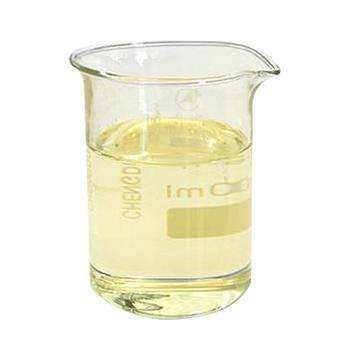
Chemical Name: Potassium Castorate
CAS No.: 8013-05-6
Molecular Formula: C57H107K3O12
Molecular Weight: 1101.74718
Appearance: Yellow Liquid
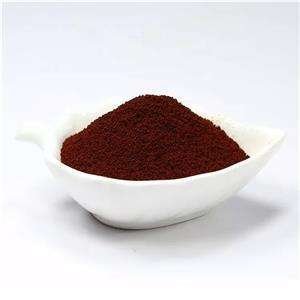
Chemical Name: Choline salicylate
CAS No.: 2016-36-6
Molecular Formula: C12H19NO4
Molecular Weight: 241.28
Appearance: Red-Brown Crystal
Ammonium sulfamate is a white crystalline compound with the chemical formula (NH4)2SO3. It is a versatile chemical used in various applications, including as a flame retardant, a fertilizer ingredient, and a chemical intermediate. In the agricultural sector, it serves as a source of nitrogen, promoting plant growth. As a flame retardant, it is effective in reducing the flammability of materials. Additionally, it is used in the synthesis of other chemicals due to its reactivity with amines and other organic compounds. Its properties make it a valuable component in a range of industrial processes.

Calcium carbonate, with the chemical formula CaCO3, is an inorganic compound found in nature as calcite, aragonite, and vaterite. It is a white solid that is insoluble in water but soluble in acid. Widely used as a filler and coating pigment in paper and plastics, calcium carbonate also serves as a primary ingredient in the production of cement and lime. Known for its high purity and chemical stability, it is utilized in pharmaceuticals, food additives, and as a dietary calcium supplement. Its versatility makes it an essential component in various industrial applications.

Copper(II) sulfate, with the chemical formula CuSO4, is a blue crystalline compound that is soluble in water. It is commonly used in agriculture as a fungicide and in the textile industry as a dye fixative. Copper(II) sulfate is also utilized in the manufacture of pigments, batteries, and as an algaecide in water treatment. Its distinctive blue color and reactivity make it a versatile chemical in various industrial applications, including chemical analysis and electroplating.

Hexaammonium molybdate is a high-purity, water-soluble molybdenum compound with the chemical formula (NH4)6Mo7O24??4H2O. It is a crystalline solid that serves as a molybdenum source in various applications, including agriculture as a micronutrient fertilizer and in the industrial production of catalysts and pigments. Known for its stability and reactivity, it is used to enhance the properties of steel and other alloys, promoting their hardness and resistance to wear.

Chemical Name: Arabic gum
CAS No.: 9000-01-5
Appearance: powder



Reviews
There are no reviews yet.