

Description
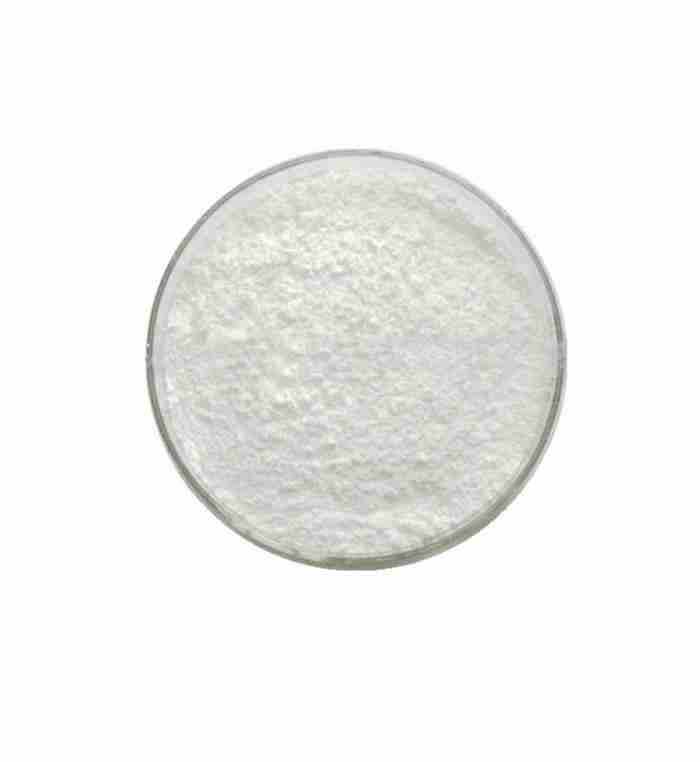
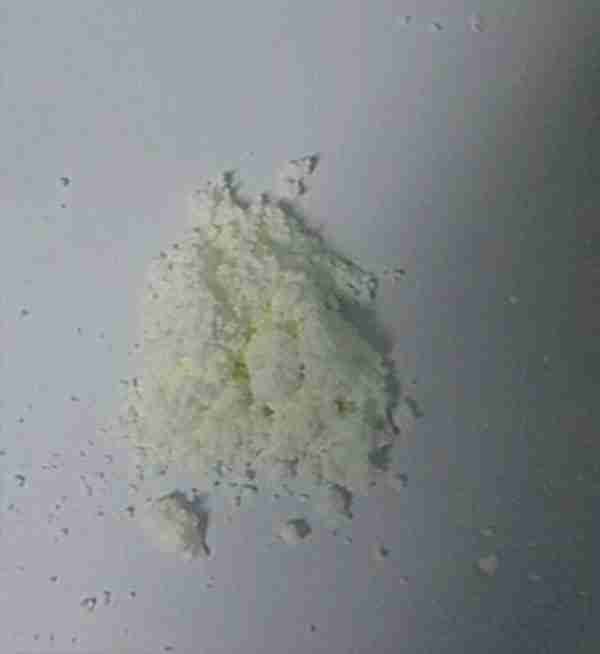
Sodium hyaluronate powder
Sodium hyaluronate quick Details
Product Name: Sodium hyaluronate
Molecular Formula: C14H22NNaO11
CAS No.:9067-32-7
Appearance:White powder
Assay: 99%
Sodium hyaluronate Typical Properties
Item
Standard
Appearance
White powder
Glucuronic Acid
??44%
Sodium Hyaluronate
??91%
PH
6.0-7.5
Molecular Weight
13-15*105Da
Protein
??0.05%
Dynamite viscosity mm2/s
67.1mm2/s
Transparency ??0.1%solution??
??99%
Loss on drying
??10%
Strong heat residue
??20%
Heavy metal
??10ppm
Bacteria Counts
??1000CFU/G
Molds Yeast count
??100CFU/G
Sodium hyaluronate Application
Used in cosmetics to moisturize and remove wrinkles??promote the supply of skin nutrients and waste excretion, so as to prevent skin aging, play the role of beauty and beauty
Sodium hyaluronate for the main component of synovial joint cavity is one of the ingredients of cartilage matrix, the joint lubrication effect, reduce the friction between the organization, articular cavity after injection can obviously improve the synovial tissue inflammation, strengthen the function of joint fluid viscosity and lubrication, protect the articular cartilage, promote the healing and regeneration of the articular cartilage, relieve pain, increase joint mobility
Sodium hyaluronate Storage
Keep container tightly closed in a dry and well-ventilated place. Store in cool place.
Sodium hyaluronate Packaging
Packaging:25kg/drum
Related Products

Hydroxyproline is a non-essential amino acid divided from another amino acid called proline. It is created by the communication of proline with ascorbic acid vitamin C. This process produces a hydroxyl team bound to a hydrogen-oxygen particle, which is affixed to a carbon particle of proline as well as converted to hydroxyproline.Trans-4-hydroxy-l-proline is an optically energetic form of 4-hydroxyproline with l-trans setup. It can be used as human metabolite, plant metabolite and also computer mouse metabolite. It is an tautomer of trans-4-hydroxy-l-proline zwitterions.


Carnosine was discovered together with carnitine by the Russian chemist Gurevitch. Studies in the UK, South Korea, Russia and other countries have shown that carnosine has strong antioxidant capacity and is beneficial to the human body. Carnosine has been shown to scavenge reactive oxygen species (ROS) and ??-?? unsaturated aldehydes formed during oxidative stress by excessive oxidation of fatty acids in cell membranes.
L-Carnosine is a small molecule with a left-handed structure of a natural dipeptide that is ubiquitous in nature. It is a dipeptide composed of ??-alanine and L-histidine. Carnosine has cellular antioxidant, anti-aging and various physiological health functions and medical effects. It has therapeutic effects on hypertension, heart disease, senile cataracts, ulcer healing, etc. It also has anti-tumor, immune model tests, and anti-stress effects. stimulating factors and other effects.
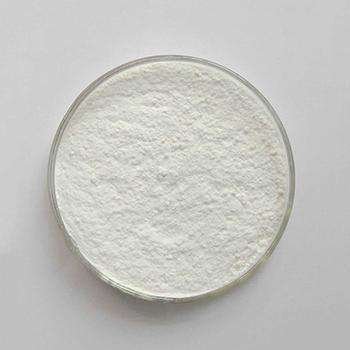
Chemical Name: Zinc citrate
Synonyms: Zinc citrate trihydrate
CAS No.: 546-46-3
Molecular Formula: C6H8O7Zn
Molecular Weight: 257.5
Appearance: White powder

Chemical Name:?UDP-glucuronic acid
CAS No.: 2616-64-0
Molecular Fomula: C15H22N2O18P2
Molecular weight: 580.28
Appearance: Solid
Assay: 98%

Polyglutamic acid (CAS 25513-46-6) is usually in the form of white powder.
Polyglutamic acid is a high molecular compound with good water solubility and biocompatibility.
It has many excellent properties, such as water retention, plant growth promotion, and improved fertilizer utilization. In the agricultural field, it can be used as a fertilizer enhancer, water retainer, etc., which helps to improve the fertility and water retention capacity of the soil and promote the growth and development of crops. For example, adding it to fertilizer can reduce fertilizer loss and improve the effect of fertilizer.
In the field of cosmetics, polyglutamic acid is also used, because its moisturizing properties can be used in skin care products.
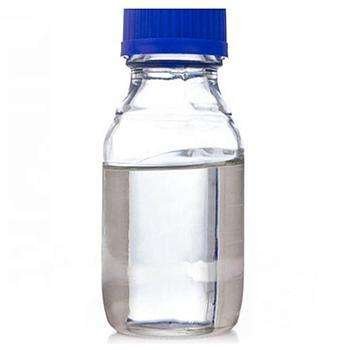
Chemical Name: STODDARD SOLVENT
CAS No.: 64742-88-7
Appearance: Colorless or Light Yellow Liquid
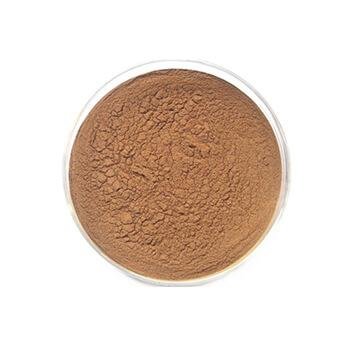
Chemical Name: Ashwagandha Extract
Synonyms: Withania somnifera, ext.; Withania Somnefera Extract
CAS: 90147-43-6
Appearance: Brown

Coenzyme A sodium salt hydrate (CAS 55672-92-9) is an important biologically active substance.
Appearance: Usually white or off-white powder. Solubility: Easily soluble in water, forming a clear solution in water.
Function: In the body, coenzyme A sodium salt hydrate is an important coenzyme that participates in a variety of biochemical reactions. It plays a key role in the metabolism of fatty acids, promoting the activation and oxidative decomposition of fatty acids. It participates in the tricarboxylic acid cycle and provides energy for cells. It is also important for the metabolism of certain amino acids.
Application: Commonly used in biochemistry and molecular biology research as a cofactor for enzyme reactions.
In the field of medicine, it may be used in the treatment or adjuvant treatment of certain diseases.
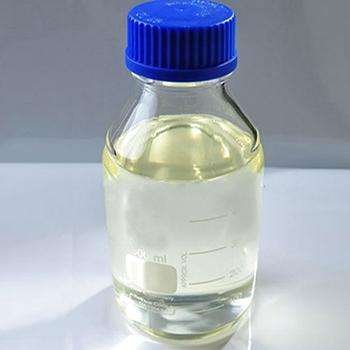
Chemical Name: 1,1,2,2-Tetrachloroethane
Other Name: Tetrachlorethane
CAS No.: 79-34-5
Molecular Formula: C2H2Cl4
Molecular Weight: 167.85
Appearance: Liquid
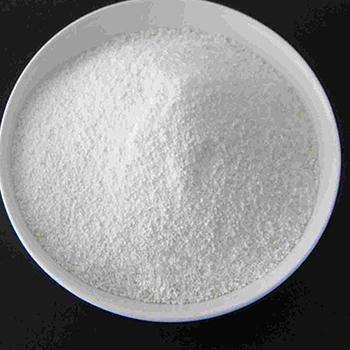
Chemical Name: Dehydrocholic acid
Synonyms: Acide dehydrocholique; Triketocholanic acid
CAS No.: 81-23-2
Molecular Formula: C24H34O5
Molecular Weight: 402.53
Appearance: Powder

Hydrolyzed keratin is originated from wool and is a light yellow to brownish-yellow clear fluid with a particular smell. It needs to undertake unique organic treatment to come to be brief peptides prior to it can be naturally used. Treated keratin is an acknowledged prospective resource of high-quality healthy protein with high nutritional value and secure quality.
It is a keratin hydrolysate derived from acid, enzyme and other hydrolysis methods, and has been used in feed and food industry, pharmacy, fertilizer, pesticide, environmental protection, leather industry, cosmetics and many other fields. Specifically, the material can be blended with polyamide 6 to prepare nanofibers for adsorbing chromium (VI). In addition, the compound can be used as an effective ingredient in the manufacture of shampoo, shower gel and shower gel. In addition, the chemical can be used as an effective ingredient in the production of deodorization compositions. In addition, the substance has been proven to be useful as a hair styling agent.
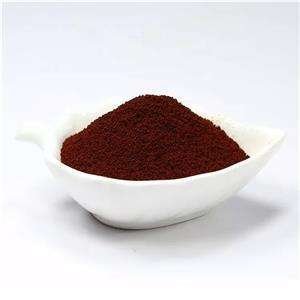
Chemical Name: Choline salicylate
CAS No.: 2016-36-6
Molecular Formula: C12H19NO4
Molecular Weight: 241.28
Appearance: Red-Brown Crystal



Reviews
There are no reviews yet.