
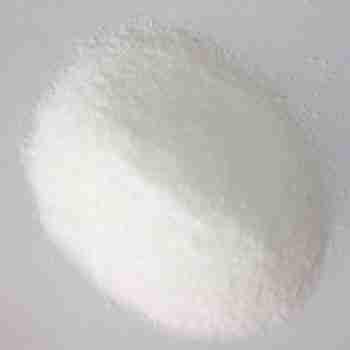
L(+)-Asparagine Monohydrate Cas 5794-13-8
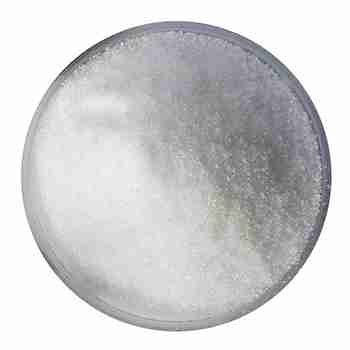
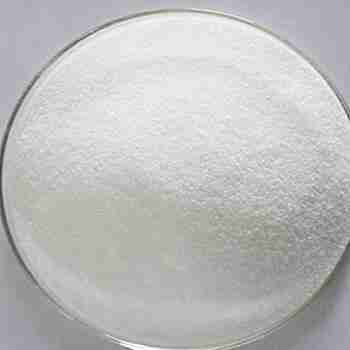
Assay: 99%
Appearance: White crystals or crystalline powder
Capacity: 600MT/year
Packaging: 25KG/Drum
Sample: available
related documents:
COA of L-Asparagine monnohydrate 5794-13-8
TDS of L-Asparagine monnohydrate
Request for product documents
Description
L(+)-Asparagine Monohydrate Quik Details
Chemical Name: L(+)-Asparagine monohydrate
Synonyms: L-Asparagine hydrate; L-2-Aminosuccinamic acid hydrate; Asparaginic acid semiamide; asparagine monohydrate; L-asparagine hydrate; alpha-Aminosuccinamic acid hydrate; Aspartamic acid hydrate; beta-Asparagine hydrate; L-Asparagine monochydrate
CAS No.: 5794-13-8
Molecular Fomula: C4H10N2O4
Chemical Structure:
Molecular weight: 150.13
Appearance: White crystals or crystalline powder
Assay: 99%
L(+)-Asparagine Monohydrate Properties
ITEM
INSPECTION CRITERION
RESULT
Appearance
White crystals or crystalline powder
Conforms
Assay
99.0%??101.0%
99.4%
PH
4.4??6.4
4.5
L(+)-Asparagine Monohydrate Usage
It is a kind of pharmaceutical intermediate and can also be used in biochemical research to manufacture culture agents and as food additives
Used in the synthesis of organic raw materials or pharmaceutical intermediates
L(+)-Asparagine Monohydrate Packaging and Shipping
Packing: 25KG/Drum
Delivery: General goods
L(+)-Asparagine Monohydrate Storage
Storage Conditions:Storeinacool, dry, well-ventilated place
Related Products
Chemical Name: Imazalil Sulfate
CAS No.: 58594-72-2
Molecular Formula: C14H14Cl2N2O.H2SO4
Molecular Weight: 395.26
Appearance: Solid

Hydroxyproline is a non-essential amino acid divided from another amino acid called proline. It is created by the communication of proline with ascorbic acid vitamin C. This process produces a hydroxyl team bound to a hydrogen-oxygen particle, which is affixed to a carbon particle of proline as well as converted to hydroxyproline.Trans-4-hydroxy-l-proline is an optically energetic form of 4-hydroxyproline with l-trans setup. It can be used as human metabolite, plant metabolite and also computer mouse metabolite. It is an tautomer of trans-4-hydroxy-l-proline zwitterions.

L-arginine (or arginine) is an amino acid that is recognized to be the ??building blocks?? of healthy proteins.?We get arginine from our diet plan, especially from animal-derived healthy protein foods, consisting of beef and various other sorts of red meat, chicken, fish, eggs, and also dairy items.
In addition to being normally present in a ??entire healthy protein?? that gives all the important amino acids we need, it is also produced in a research laboratory setting so it can be made use of to develop supplements that benefit heart health, sports efficiency, psychological performance, as well as extra.

Coenzyme A sodium salt hydrate (CAS 55672-92-9) is an important biologically active substance.
Appearance: Usually white or off-white powder. Solubility: Easily soluble in water, forming a clear solution in water.
Function: In the body, coenzyme A sodium salt hydrate is an important coenzyme that participates in a variety of biochemical reactions. It plays a key role in the metabolism of fatty acids, promoting the activation and oxidative decomposition of fatty acids. It participates in the tricarboxylic acid cycle and provides energy for cells. It is also important for the metabolism of certain amino acids.
Application: Commonly used in biochemistry and molecular biology research as a cofactor for enzyme reactions.
In the field of medicine, it may be used in the treatment or adjuvant treatment of certain diseases.

Chemical Name: Arabic gum
CAS No.: 9000-01-5
Appearance: powder

Chemical Name: o-Xylene
Synonyms: 1,2-Dimethylbenzene; ortho-xylene
CAS No.: 95-47-6
Molecular Formula: C8H10
Molecular Weight: 106.17

Chemical Name: 1,1,2,2-Tetrachloroethane
Other Name: Tetrachlorethane
CAS No.: 79-34-5
Molecular Formula: C2H2Cl4
Molecular Weight: 167.85
Appearance: Liquid
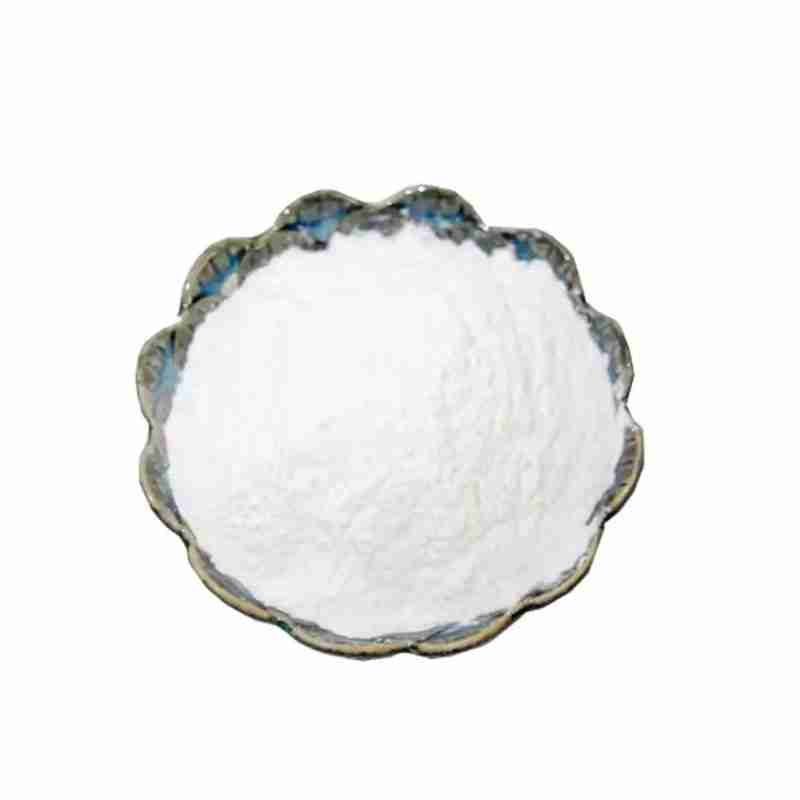
Polyglutamic acid (y-PGA), also known as natto gum, is a high molecular peptide polymer synthesized from several glutamic acid monomers through microbial fermentation. It is rich in glutamic acid, glucose, protein and minerals. , vitamins and other biologically active substances.
Polyglutamic acid (??-PGA) is a sticky substance that was first discovered in ??Natto??. It is currently widely used in agricultural production and is called a new biostimulant. It is fully water-soluble, biodegradable, edible, and non-toxic. It is a biopolymer produced by microbial fermentation.

Chemical Name: 3-Hydroxybutyric acid
CAS No.: 625-71-8
Molecular Formula: C4H8O3
Molecular Weight: 104.1
Appearance: White powder


Carnosine was discovered together with carnitine by the Russian chemist Gurevitch. Studies in the UK, South Korea, Russia and other countries have shown that carnosine has strong antioxidant capacity and is beneficial to the human body. Carnosine has been shown to scavenge reactive oxygen species (ROS) and ??-?? unsaturated aldehydes formed during oxidative stress by excessive oxidation of fatty acids in cell membranes.
L-Carnosine is a small molecule with a left-handed structure of a natural dipeptide that is ubiquitous in nature. It is a dipeptide composed of ??-alanine and L-histidine. Carnosine has cellular antioxidant, anti-aging and various physiological health functions and medical effects. It has therapeutic effects on hypertension, heart disease, senile cataracts, ulcer healing, etc. It also has anti-tumor, immune model tests, and anti-stress effects. stimulating factors and other effects.
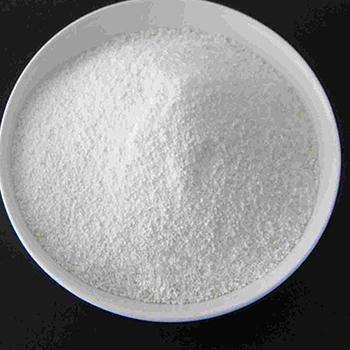
Chemical Name: Dehydrocholic acid
Synonyms: Acide dehydrocholique; Triketocholanic acid
CAS No.: 81-23-2
Molecular Formula: C24H34O5
Molecular Weight: 402.53
Appearance: Powder
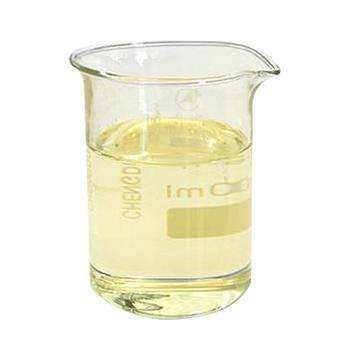
Chemical Name: Potassium Castorate
CAS No.: 8013-05-6
Molecular Formula: C57H107K3O12
Molecular Weight: 1101.74718
Appearance: Yellow Liquid



Reviews
There are no reviews yet.