
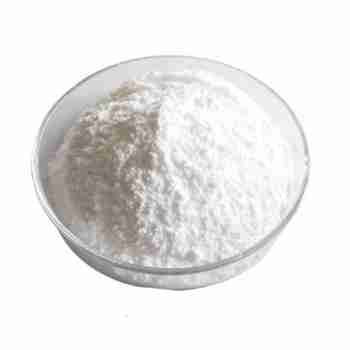
Transglutaminase CAS 80146-85-6
Enzymatic Activity: ??100u/g
Appearance: White powder
Capacity: 50tons/month
Packaging: 25kgs/drum
Sample: available
related documents:
COA of Transglutaminase CAS 80146-85-6
TDS of Transglutaminase CAS 80146-85-6
COA of Transglutaminase
MSDS of Transglutaminase
TDS of Transglutaminase
Request for product documents
Description
Transglutaminase Quick Details
Name: Transglutaminase
Synonym: FACTORXIII-A,HUMAN; akuthibatg;akuthibatg-k; glutaminylpeptidegamma-glutamyltransferas; glutaminylpeptidegammaglutamyltransferase; Glutaminetransaminase
CAS: 80146-85-6
Chemical formula: C27H44O3H2O
EINECS: 232-554-6
Appearance: White powder
Transglutaminase Typical Properties
TEST ITEMS
STANDARDS
RESULTS
Appearance
Powder with good fluidity
PASS
Colour
White powder
PASS
Odour
Normal fermentation odour
PASS
Enzymatic Activity
u/g
??100
111
Loss on drying
%
??8.0
5.3
Heavy Metal
mg/kg
??30
Pass
Lead(Pb)
mg/kg
??5
Pass
Arsenic (As)
mg/kg
??3
Pass
MICROBIOLOGY
?
?
Total viable count
cfu/g
??50,000/gram
1300
Coliforms
mpn/g
??30
23
E.coli
Absent /25 g or mL
Absent
Salmonella
Absent/25 g or mL
Absent
Mould
cfu/g
??200
Pass
Yeast
cfu/g
??200
Pass
Antimicrobial Activity
Negative
Negative
Transglutaminase Packing
Packing:25kgs/drum,9tons/20??container with pallets
Transglutaminase Application:
Enzyme preparation. Protein modifier, stabilizer, coagulant. Catalyzing proteins to form gels, gives food a better plasticity and gelation. It is widely used in the processing of pasta, meat food, plant protein and aquatic products to improve the water-holding capacity and elasticity of protein-containing food, to overcome the disadvantage of poor muscle strength.
Transglutaminase Stroage:
Store in a dark and dry place at room temperature.
Related Products
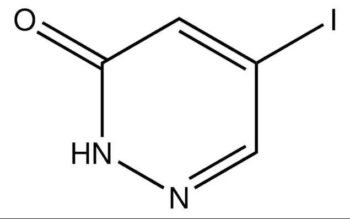
Common English name: 5-iodo-2,3-dihydropyridazin-3-one
CAS No.: 825633-94-1
Molecular formula: C4H3IN2O
Molecular weight: 221.98
Sample: Available
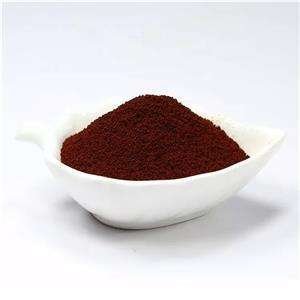
Chemical Name: Choline salicylate
CAS No.: 2016-36-6
Molecular Formula: C12H19NO4
Molecular Weight: 241.28
Appearance: Red-Brown Crystal
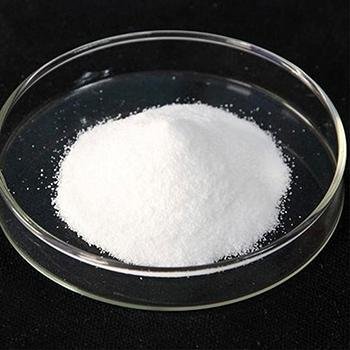
Chemical Name: UV-120
Other Name: (2’,4’-Di-tert-butylphenyl 3,5-di-tert-butyl-4-hydroxybenzoate)
CAS No.: 4221-80-1
Molecular Fomula: C29H42O3
Molecular weight: 438.66
Assay: ≥99%(LC)
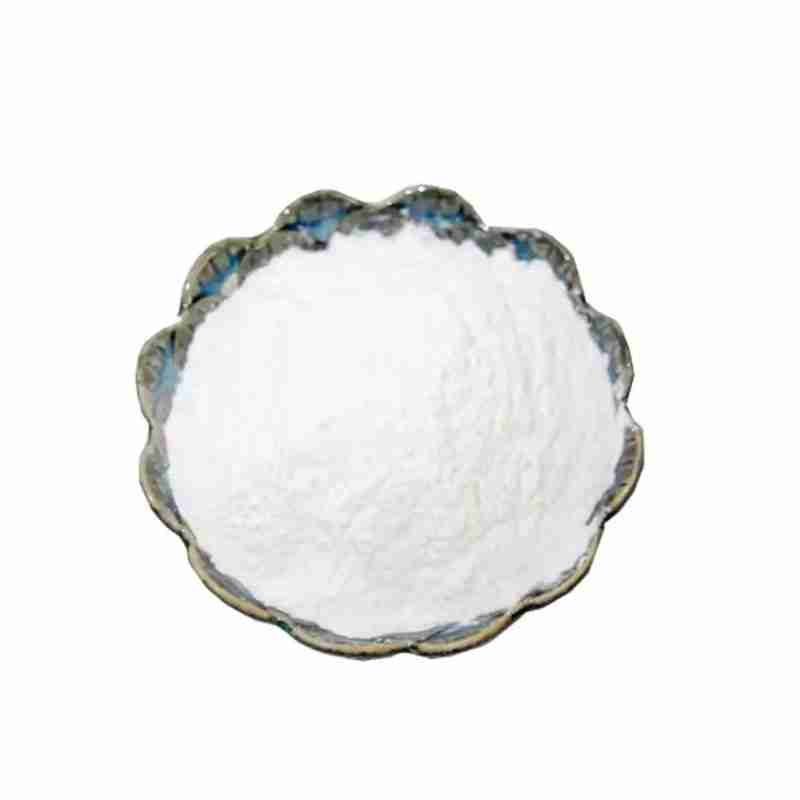
Polyglutamic acid (y-PGA), also known as natto gum, is a high molecular peptide polymer synthesized from several glutamic acid monomers through microbial fermentation. It is rich in glutamic acid, glucose, protein and minerals. , vitamins and other biologically active substances.
Polyglutamic acid (??-PGA) is a sticky substance that was first discovered in ??Natto??. It is currently widely used in agricultural production and is called a new biostimulant. It is fully water-soluble, biodegradable, edible, and non-toxic. It is a biopolymer produced by microbial fermentation.
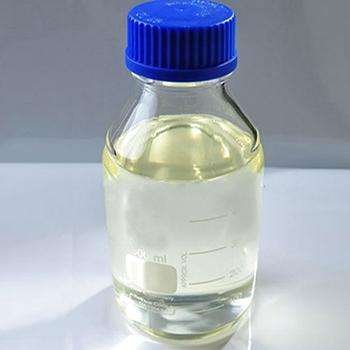
Chemical Name: 1,1,2,2-Tetrachloroethane
Other Name: Tetrachlorethane
CAS No.: 79-34-5
Molecular Formula: C2H2Cl4
Molecular Weight: 167.85
Appearance: Liquid

L-arginine (or arginine) is an amino acid that is recognized to be the ??building blocks?? of healthy proteins.?We get arginine from our diet plan, especially from animal-derived healthy protein foods, consisting of beef and various other sorts of red meat, chicken, fish, eggs, and also dairy items.
In addition to being normally present in a ??entire healthy protein?? that gives all the important amino acids we need, it is also produced in a research laboratory setting so it can be made use of to develop supplements that benefit heart health, sports efficiency, psychological performance, as well as extra.

Hydroxyproline is a non-essential amino acid divided from another amino acid called proline. It is created by the communication of proline with ascorbic acid vitamin C. This process produces a hydroxyl team bound to a hydrogen-oxygen particle, which is affixed to a carbon particle of proline as well as converted to hydroxyproline.Trans-4-hydroxy-l-proline is an optically energetic form of 4-hydroxyproline with l-trans setup. It can be used as human metabolite, plant metabolite and also computer mouse metabolite. It is an tautomer of trans-4-hydroxy-l-proline zwitterions.
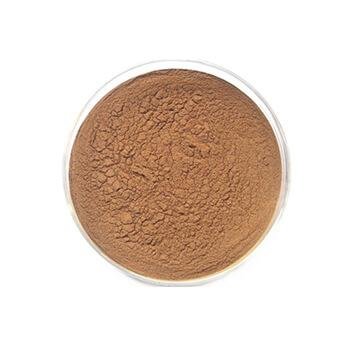
Chemical Name: Ashwagandha Extract
Synonyms: Withania somnifera, ext.; Withania Somnefera Extract
CAS: 90147-43-6
Appearance: Brown
EC 3.4.21.14, previously classified, now redirects to EC 3.4.21.67, identifying endopeptidase So. This serine endopeptidase is integral in the hydrolysis of peptide bonds, a critical function in biological systems. Its applications extend across research and development in the pharmaceutical and biotechnological industries.

Copper acetate peptide, also known as blue copper peptide. Copper peptide, also known as tripeptide in Chinese; Glycyl-L-histomyl-L-lysine. Peptide is a small molecule protein composed of amino acids, which are more easily absorbed by the skin and have more significant effects. It was first isolated from human plasma in 1973 and was discovered to have wound repair function in 1985. In 1999, researchers believed that copper peptide and its copper repair products can serve as activators of tissue remodeling, and it is also a signaling peptide, Promote the degradation of a large amount of collagen aggregates outside scars, the synthesis of normal collagen in the skin, the generation of elastin, proteoglycans, and glucosamine glycans, the growth rate and migration of different cell types, anti-inflammatory, and antioxidant responses.
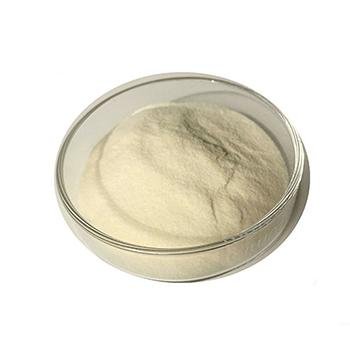
Chemical Name: Quercetin-3-O-sophoroside
CAS No.: 18609-17-1
Molecular Formula: C27H30O17
Molecular Weight: 626.52
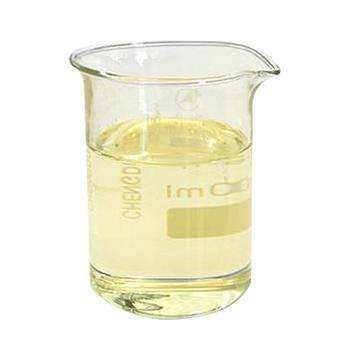
Chemical Name: Potassium Castorate
CAS No.: 8013-05-6
Molecular Formula: C57H107K3O12
Molecular Weight: 1101.74718
Appearance: Yellow Liquid



Reviews
There are no reviews yet.