

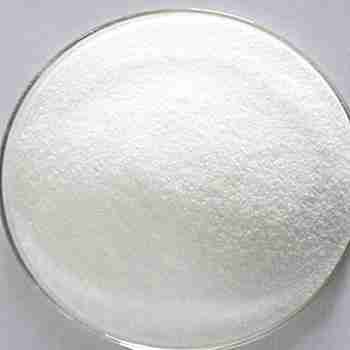
Description
Zinc borate Quick Details
Chemical Name: Zinc borate
CAS No.: 1332-07-6
Molecular Fomula: B2O6Zn3
Chemical Structure:
Molecular weight:?313.79
Appearance:?White or light yellow powder
Assay: ??99.0%
Typical Properties
ITEMS
SPECIFICATION
Purity
99%
Appearance
?White or light yellow powder
Melt point
980 ??C
Density
3.64 g/cm3
?
Zinc borate?application:
Zinc borate is an inorganic additive flame retardant. It is characterized by good thermal stability, both flame retardant and smoke elimination. It can replace antimony trioxide in some products and can also be used in conjunction with other inorganic flame retardants. Use it for better results.
This product is widely used in rubber, plastics, cables, wood, national defense products, coatings, tarpaulins, and other industries. Zinc borate can be used as a multi-functional synergistic additive for antimony oxide or other halogen flame retardants. It can effectively improve the chemical flame retardant performance, reduce the generation of smoke during combustion, and can adjust the physical, mechanical, electrical, and other aspects of rubber and plastic products.
Zinc borate is widely used in PVC materials, such as carpets, conveyor belts, wires, and cables, etc., and also in engineering plastics with halogen-free aluminum hydroxide and magnesium hydroxide as flame retardant systems, such as PE, PP, ABS, etc., also used in intumescent coatings, ceramic glazes, fungicides, wallpaper treatment, opal glass, and other fields.
Packaging and Shipping?
1kg/bag, 25kg/bag or customized according to customer needs.
Zinc borate?Storage
It should be stored in a clean, dry, and cool place, preventing from sunlight, rain.
Related Products

Sodium aluminosilicate (CAS No.73987-94-7) is an inorganic compound.
It has a certain application in industry. For example, in the ceramic industry, sodium aluminosilicate can be used as a flux and an ingredient in ceramic glazes, helping to improve the performance and appearance of ceramics.
In some chemical processes, it may also function as a precipitating agent or an additive.
In the field of materials science, the properties and structural characteristics of sodium aluminosilicate make it have potential application value in the research and development of some new materials.

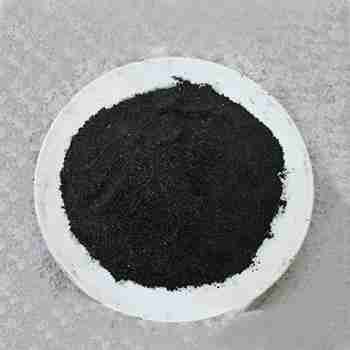
Carbon is a fundamental element found in all organic life and a key component of many inorganic materials. It is known for its ability to form long chains and complex structures, which makes it the basis of various compounds, including diamond, graphite, and fullerenes. Carbon is used in a wide range of applications, from manufacturing steel and other alloys to being a key element in batteries and as a pigment in inks and paints.

Silicon dioxide, commonly known as silica, is a naturally occurring compound found in quartz and sand. It is a primary component of most rocks and is widely used in various industries due to its high thermal stability, chemical inertness, and optical clarity. In chemical applications, it is valued for its abrasive, refractory, and adsorptive properties, making it essential in products like glass, ceramics, and electronics.
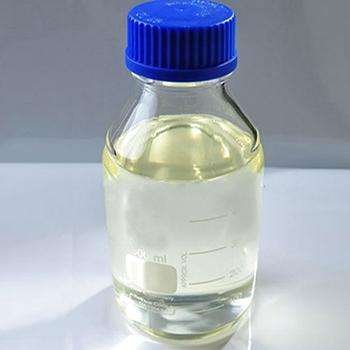
Chemical Name: 1,1,2,2-Tetrachloroethane
Other Name: Tetrachlorethane
CAS No.: 79-34-5
Molecular Formula: C2H2Cl4
Molecular Weight: 167.85
Appearance: Liquid
Kaolin, also known as china clay, is a naturally occurring hydrated aluminum silicate mineral. It is a soft, white, plastic clay that is widely used in ceramics, papermaking, and as a pigment in paints, coatings, and plastics. Kaolin is valued for its fine particle size, purity, and ability to improve the brightness and opacity of materials. Its inert nature and high refractive index make it ideal for various industrial applications, including cosmetics and pharmaceuticals.

Chemical Name: Zinc citrate
Synonyms: Zinc citrate trihydrate
CAS No.: 546-46-3
Molecular Formula: C6H8O7Zn
Molecular Weight: 257.5
Appearance: White powder

Water glass is an aqueous solution of silicate, which is as crystal clear as glass but as fluid as water. It is a soluble alkali metal silicate material composed of a combination of alkali metal oxides and silica.
Water glass plays an important role in industry, agriculture, technology and other fields. As a binder, water glass has occupied a place in the industrial field since its inception. It can be used to block the sewage leaked from the Fukushima nuclear power plant, or to repair cracks in brick walls; it also has anti-corrosion and acid resistance properties. , is an important material for acid-resistant floors and acid-resistant pools in industrial buildings; painting concrete pavements with water glass can also increase the frost resistance and water resistance of the pavement.
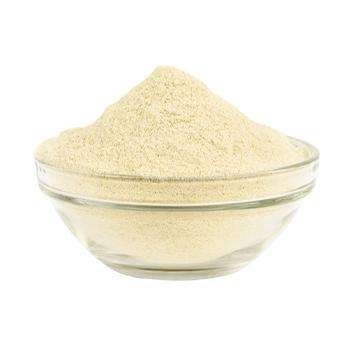
Chemical Name: Arabic gum
CAS No.: 9000-01-5
Appearance: powder

Chemical Name: Quercetin-3-O-sophoroside
CAS No.: 18609-17-1
Molecular Formula: C27H30O17
Molecular Weight: 626.52
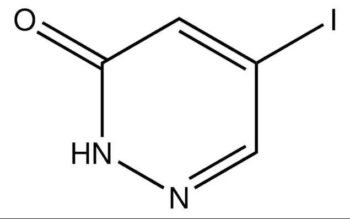
Common English name: 5-iodo-2,3-dihydropyridazin-3-one
CAS No.: 825633-94-1
Molecular formula: C4H3IN2O
Molecular weight: 221.98
Sample: Available

Bentonite, sodium-activated, is a type of clay rich in montmorillonite minerals, which undergoes a process to increase its sodium content. This alteration enhances its swelling and adsorptive properties, making it a highly effective thickener and gel-forming agent. Sodium bentonite is widely used in drilling muds, foundry sands, and as a binder in various industrial applications. Its ability to absorb liquids and form stable gels makes it invaluable in cosmetics, agriculture, and as a component in the manufacturing of ceramics and paper products.
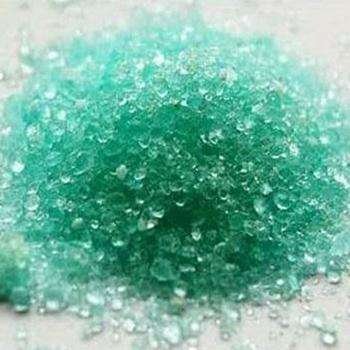
Chemical Name: Ammonium Iron(II) Sulfate
Synonyms: Diammonium iron bis(sulphate); iron (ii) ammonium sulfate
CAS No.: 10045-89-3
Molecular Formula: FeH5NO4S
Molecular Weight: 170.95



Reviews
There are no reviews yet.