
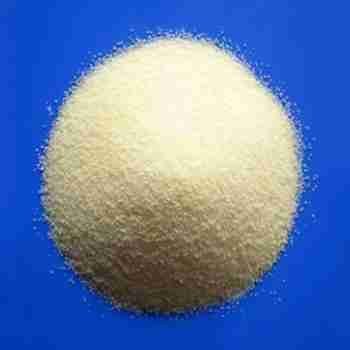
Vitamin A acetate cas 127-47-9

Assay: 2.8*106 IU/g
Appearance: Pale yellow crystal
Package: 25kg/drum
Capability: 800MT/year
Sample: Available
related documents:
COA of Vitamin A acetate 127-47-9
Request for product documents
Description
Vitamin A acetate
Vitamin A acetate 2.8MIU/g Quick?Details
Chemical Name: Vitamin A acetate 2.8MIU/g
CAS No.: 127-47-9
Molecular Formula: C22H32O2
Molecular Weight??328.49
Appearance: Pale yellow crystal
Vitamin A acetate 2.8MIU/g Typical Properties
Item
Method
Standard
Appearance
EP/GB 1903.31
Pale yellow crystal
Color reaction
USP/FCC/GB 1903.31
Conform
Thin -Layer Chromatography
USP/FCC/GB 1903.31
Conform
Related substances
A100/A326
EP/USP
?Q0.6
A350/A326
EP/USP
?Q0.54
A370/A326
EP/USP
?Q0.14
Assay
EP/USP
?R2.8*106 IU/g
Expressed as retinol
Activity equivalents
EP/USP
?R840,000cmg R.AE/G
Acid value
EP/GB 1903.31
?Q2.0mg/g
Peroxide Value
EP/GB 1903.31
?Q10.0meq/kg
Retinol
EP/in house
?Q1.0%
Arsenic
GB5009.76
?Q1.0mg/kg
Lead
GB5009.12
?Q1.0mg/kg
Residual solvent
EP/USP/ICH
Conform to ICH
?
Vitamin A acetate 2.8MIU/g Usage
1.Skin care, remove wrinkles, whitening
2.For vitamin A deficiency.
3.It can penetrate the skin, resist keratinization, stimulate the growth of collagen and elastin, and increase the thickness of epidermis and dermis.Enhance skin elasticity, effectively eliminate wrinkles, promote skin renewal, maintain skin vitality.Used for eye cream, moisturizing cream, repair cream, shampoo, hair conditioner, etc.
4.Vitamin A acetate can maintain the normal metabolism of human body, maintain the stability and development of cell membrane, maintain the normal function of the reproductive system, and play an obvious role in the formation of vision, easing the keratinization of tissues, and enhancing the immune ability of cells.
Vitamin A acetate 2.8MIU/g Packaging and Shipping
Packing: 25kg/drum
By air or by sea or by Courier
Vitamin A acetate 2.8MIU/g Storage
Storage Conditions: Vitamin A acetate should be stored in unopened original containers at room temperature.Avoid light, heat, oxygen contact and moist environment.Once opened, please use as soon as possible.
Related Products
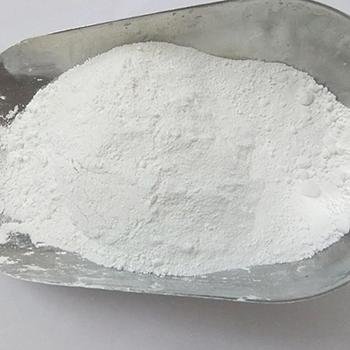
Product name:Cyclopentane
Purity:96%
Appearance:White powder
Package:25kg/bag
Sample:Available
Tetraacetylethylenediamine is a fully acetylated derivative of ethylenediamine, offering a high reactivity as an intermediate in organic synthesis. Its unique structure makes it a critical component in the production of specialty chemicals and pharmaceuticals, ensuring a wide range of applications in the chemical industry.
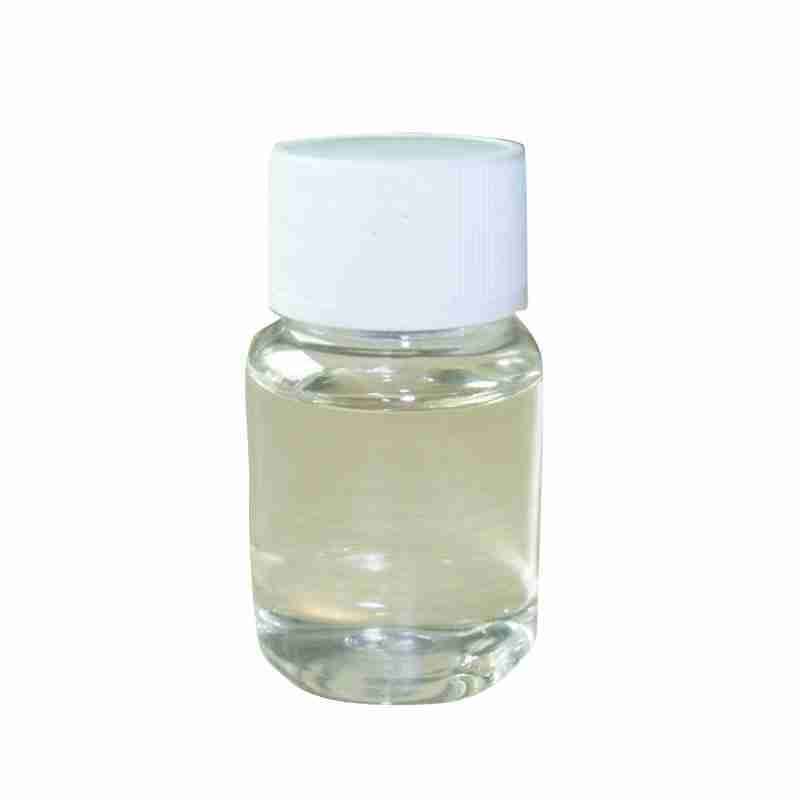
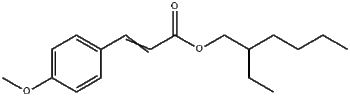
Octyl 4-methoxycinnamate, scientifically known as 2-Ethylhexyl 4-Methoxycinnamate, is a highly effective organic UV filter commonly used in the formulation of sunscreens and cosmetic products. This compound is renowned for its ability to absorb ultraviolet B (UVB) radiation, providing a reliable defense against the sun’s harmful effects on the skin.
Characterized by its chemical formula C19H28O3, Octyl 4-methoxycinnamate is a liquid ester that is readily soluble in organic solvents. It is valued for its photostability, which means it maintains its protective properties even after prolonged exposure to sunlight. This feature makes it an ideal ingredient for products designed to offer long-lasting sun protection.
In addition to its UVB absorption capabilities, Octyl 4-methoxycinnamate is also appreciated for its compatibility with other UV filters, allowing for the creation of broad-spectrum sunscreens. It contributes to the development of formulations that are non-greasy and cosmetically elegant, suitable for a variety of skin types.
As a key component in sun care products, Octyl 4-methoxycinnamate supports the skin’s health by preventing sunburn, reducing the risk of skin cancer, and delaying the signs of photoaging. Its safety profile and efficacy make it a preferred choice in the personal care and dermatological industries for sun protection solutions.
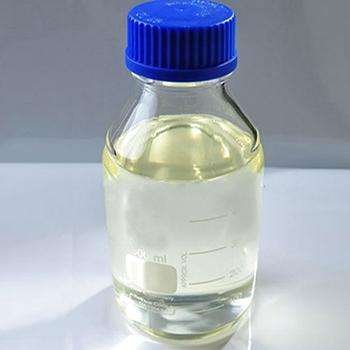
Chemical Name: 1,1,2,2-Tetrachloroethane
Other Name: Tetrachlorethane
CAS No.: 79-34-5
Molecular Formula: C2H2Cl4
Molecular Weight: 167.85
Appearance: Liquid
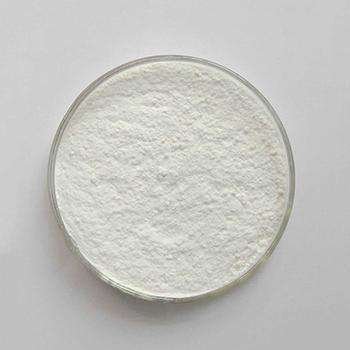
Chemical Name: Zinc citrate
Synonyms: Zinc citrate trihydrate
CAS No.: 546-46-3
Molecular Formula: C6H8O7Zn
Molecular Weight: 257.5
Appearance: White powder
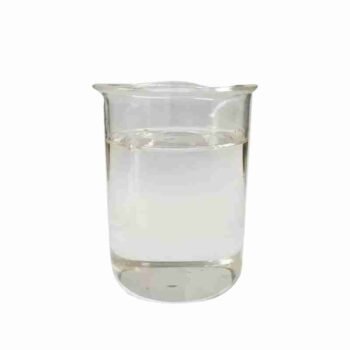
Silicones are a family of synthetic polymers known for their versatility and stability. They are heat-resistant, non-toxic, and have excellent electrical insulation properties. Commonly used in various industries such as construction, automotive, aerospace, and personal care products, silicones offer a wide range of applications from sealants and adhesives to lubricants and medical devices. Their resistance to extreme temperatures and weathering makes them a preferred choice for many high-performance applications.
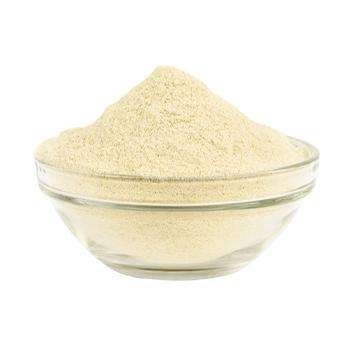
Chemical Name: Arabic gum
CAS No.: 9000-01-5
Appearance: powder
3,4-Ethylenedioxythiophene is a synthetic organic compound characterized by its unique structure that includes a thiophene ring with ethylenedioxy substituents at the 3 and 4 positions. This compound is known for its potential applications in the synthesis of various organic materials, including pharmaceuticals and organic electronic devices such as sensors and solar cells. Its stability and reactivity make it a versatile intermediate in the chemical industry.
Chemical Name: o-Xylene
Synonyms: 1,2-Dimethylbenzene; ortho-xylene
CAS No.: 95-47-6
Molecular Formula: C8H10
Molecular Weight: 106.17

N,N-Dimethylaniline is an organic compound with amine and methyl groups attached to a benzene ring. It is a colorless liquid with a characteristic amine odor. This compound is primarily used as a chemical intermediate in the synthesis of dyes, pigments, and polymers. Its reactivity makes it a valuable building block in the production of various organic compounds, particularly in the pharmaceutical and chemical industries.
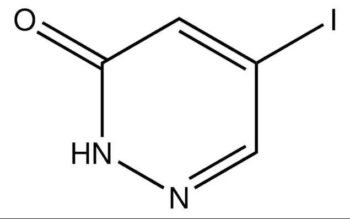
Common English name: 5-iodo-2,3-dihydropyridazin-3-one
CAS No.: 825633-94-1
Molecular formula: C4H3IN2O
Molecular weight: 221.98
Sample: Available
POLY(VINYL CHLORIDE-CO-ISOBUTYL VINYL ETHER) is a copolymer that combines the properties of vinyl chloride and isobutyl vinyl ether. This polymer offers a balance of rigidity and flexibility, along with enhanced chemical resistance and durability. It is commonly used in the production of films, coatings, and adhesives due to its excellent barrier properties against gases and moisture, making it ideal for packaging and construction applications.



Reviews
There are no reviews yet.