


Description
Tylosin tartrate Quick Details
Chemical Name: Tylosin tartrate
CAS No.: 74610-55-2
Molecular Fomula:?C49H81NO23
Chemical Structure:
Molecular weight: 1052.16
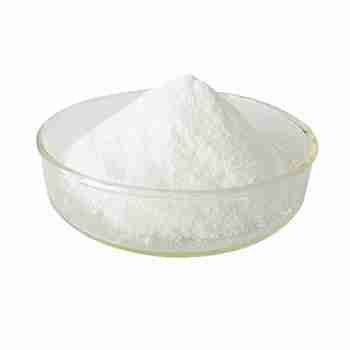
Appearance:?white powder
Assay????98.0%
Tylosin tartrate?Typical Properties
ITEMS
SPECIFICATION
Target
Anti-infection
Pathway
Microbiology/Virology
Purity
98%
Stock
2-8??C
Tylosin tartrate?application:
Tylosin tartrate is a macrolide antibiotic approved for the control of mycoplasmosis in poultry.
Tylosin tartrate?Packaging and Shipping
customized according to customer needs.
Tylosin tartrate Storage
It should be stored in a clean, dry and cool place, preventing from sunlight, rain.
Related Products

Product name:Cyclopentane
Purity:96%
Appearance:White powder
Package:25kg/bag
Sample:Available

Chemical Name: Sodium D-pantothenate
CAS No.: 867-81-2
Molecular Fomula: C9H16NNaO5
Molecular weight:?241.22
Appearance:?White to off-white powder
Assay: ??99.0%

Chemical Name: Potassium Castorate
CAS No.: 8013-05-6
Molecular Formula: C57H107K3O12
Molecular Weight: 1101.74718
Appearance: Yellow Liquid

Chemical Name: Ashwagandha Extract
Synonyms: Withania somnifera, ext.; Withania Somnefera Extract
CAS: 90147-43-6
Appearance: Brown
Lidocaine hydrochloride is an anesthetic as well as an antiarrhythmic drug. Clinically, it is mainly used for infiltration anesthetic, epidural anesthetic, topical anesthesia (consisting of mucosal anesthetic throughout thoracoscopic examination or abdominal surgical treatment) as well as nerve conduction block. It can additionally be used for early ventricular tightenings and also ventricular tachycardia after acute myocardial infarction, and also for ventricular arrhythmias triggered by digitalis poisoning, cardiac surgery as well as cardiac catheterization. But it is usually inadequate for supraventricular arrhythmias.

Levodopa, also known as L-DOPA or 3,4-dihydroxy-L-phenylalanine, is a naturally occurring amino acid and a critical precursor in the biosynthesis of the neurotransmitters dopamine, norepinephrine, and epinephrine. With the molecular formula C9H11NO4, levodopa is a large, neutral amino acid that plays a significant role in the treatment of Parkinson’s disease due to its ability to cross the blood-brain barrier and be converted into dopamine.
Chemically, levodopa is synthesized from the precursor amino acid tyrosine through the action of the enzyme tyrosine hydroxylase. As a medication, levodopa is often formulated with a peripheral DOPA decarboxylase inhibitor to reduce its conversion to dopamine outside the brain, thereby increasing its effectiveness and reducing side effects.
Levodopa is characterized by its effectiveness in alleviating the motor symptoms of Parkinson’s disease, such as tremors, rigidity, and bradykinesia. It is typically administered orally and absorbed from the gastrointestinal tract, where it is then transported to the brain.
In summary, levodopa is a vital pharmaceutical compound used in neurology for its role in treating Parkinson’s disease by replenishing the brain’s dopamine levels. Its targeted delivery and conversion to dopamine make it an essential treatment option for managing the motor symptoms associated with this condition.
Urapidil is a sympathetic antihypertensive drug. It acts as ?? 1 ?C adrenoceptor antagonists and 5-HT 1A receptor agonists act. Although the initial report showed that urapidil was also a ?? 2 ?C adrenoceptor agonist, which was not confirmed in later studies, proved that it had no agonist effect in the saphenous vein of dogs and ileum of guinea pigs. With others ?? Unlike 1-adrenoceptor villains, urapidil does not cause response tachycardia, which may be connected to its weak ?? 1-adrenoceptor antagonist activity and its impact on heart vagal drive. Urapidil has actually not been approved by the US Food and drug administration, yet it is offered in Europe.
Urapidil (URA), chemical name is 6-[[3-[4-(2-methoxyphenyl)-1-piperazinyl]propyl]amino]-1,3-dimethyl -2,4(1H,3H)-pyrimidinedione, trade name: ebrantil (ebrantil), synonym: excellent matchi, uracil substituted by phenazine.
Chemical Name: Choline salicylate
CAS No.: 2016-36-6
Molecular Formula: C12H19NO4
Molecular Weight: 241.28
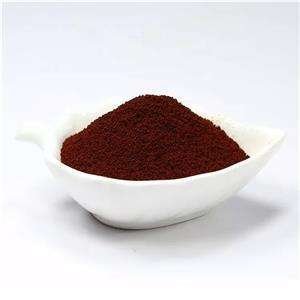
Appearance: Red-Brown Crystal
Chemical Name: Clindamycin Hydrochloride
CAS No.: 21462-39-5
Molecular Formula: C18H34Cl2N2O5S
Molecular Weight: 461.44
Appearance: White powder

Chemical Name: Quercetin-3-O-sophoroside
CAS No.: 18609-17-1
Molecular Formula: C27H30O17
Molecular Weight: 626.52

Chemical Name: Sultamicillin
CAS No.: 76497-13-7
Appearance:?White powder
Assay??99.0%

Product name:HYDROXYPROPYL GUAR HYDROXYPROPYLTRIMONIUM CHLORIDE
Purity:99%
Appearance:Light Yellow Powder
Package:Customized according to customer needs.
Sample:Available



Reviews
There are no reviews yet.