

Description
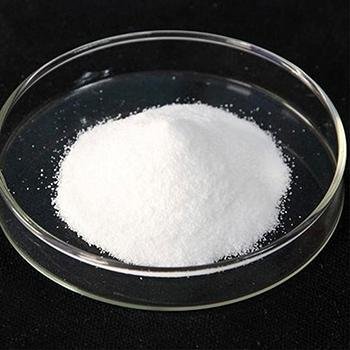
Titanium Oxide Quick Details
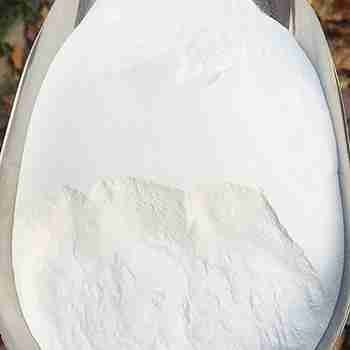
Product Name: Titanium oxide
Synonyms: Titanium dioxide; Anatase
CAS No: 1317-80-2
Molecular Formula: TiO2
Molecular Weight: 79.86
Property: White powder
Titanium Oxide Typical Titanium Oxide Properties
Melting point
1843??C
Boiling point
2900??C
Density
4.17g/mLat25??C(lit.)
Flash point
2500-3000??C
Solubility
Chloroform(Slightly,Sonicated),Hexanes(Slightly,Heated,Sonicated),Methane
Stability
Light Sensitive
?
Titanium Oxide Usage
1.Bleach. Titanium dioxide can be used as all food white pigments in paint, ink, plastic, rubber, paper, chemical fiber and other industries;
2.Used for welding electrodes, refining titanium and manufacturing titanium dioxide
3.Titanium dioxide (nanoscale) is widely used in white inorganic pigments such as functional ceramics, catalysts, cosmetics and photosensitive materials. It is the strongest coloring power among white pigments. It has excellent hiding power and color fastness. It is suitable for opaque white products.
4.Titanium dioxide is widely used as a pigment for paint, paper, rubber, plastic, enamel, glass, cosmetics, ink, watercolor and oil paint
Titanium Oxide Package
25kg/bag
Titanium Oxide Storage
Amber Vial, Refrigerator
Related Products
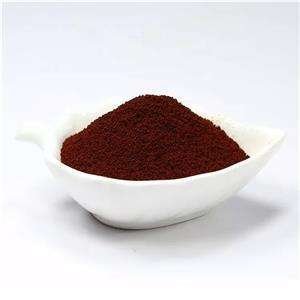
Chemical Name: Choline salicylate
CAS No.: 2016-36-6
Molecular Formula: C12H19NO4
Molecular Weight: 241.28
Appearance: Red-Brown Crystal
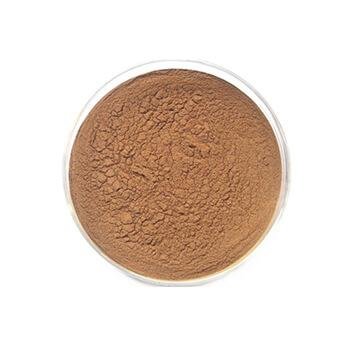
Chemical Name: Ashwagandha Extract
Synonyms: Withania somnifera, ext.; Withania Somnefera Extract
CAS: 90147-43-6
Appearance: Brown
Chemical Name: o-Xylene
Synonyms: 1,2-Dimethylbenzene; ortho-xylene
CAS No.: 95-47-6
Molecular Formula: C8H10
Molecular Weight: 106.17
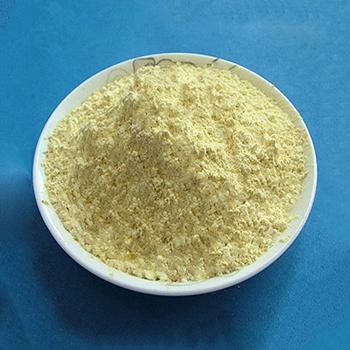
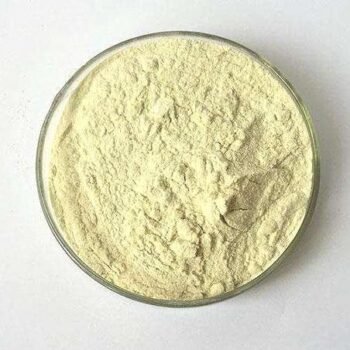
Product name:HYDROXYPROPYL GUAR HYDROXYPROPYLTRIMONIUM CHLORIDE
Purity:99%
Appearance:Light Yellow Powder
Package:Customized according to customer needs.
Sample:Available
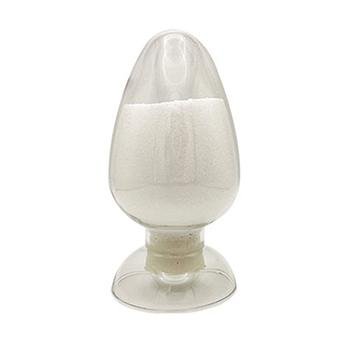
Chemical Name: Imazalil Sulfate
CAS No.: 58594-72-2
Molecular Formula: C14H14Cl2N2O.H2SO4
Molecular Weight: 395.26
Appearance: Solid
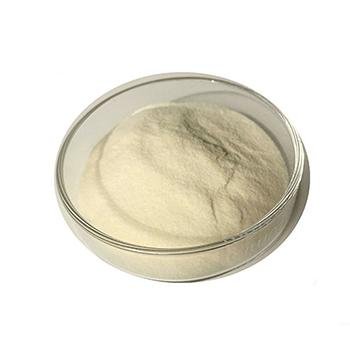
Chemical Name: Quercetin-3-O-sophoroside
CAS No.: 18609-17-1
Molecular Formula: C27H30O17
Molecular Weight: 626.52
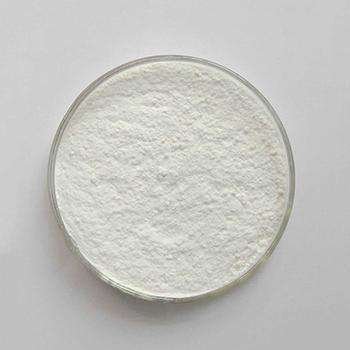
Chemical Name: Zinc citrate
Synonyms: Zinc citrate trihydrate
CAS No.: 546-46-3
Molecular Formula: C6H8O7Zn
Molecular Weight: 257.5
Appearance: White powder

Aluminum chlorohydrate is an inorganic compound often used as a coagulant in water treatment processes. It is also known for its astringent properties and is utilized in various personal care products, such as antiperspirants and deodorants, due to its ability to temporarily close sweat glands. It enhances the viscosity and stability of formulations, making it a valuable ingredient in cosmetics and pharmaceuticals.
Chemical Name: UV-120
Other Name: (2’,4’-Di-tert-butylphenyl 3,5-di-tert-butyl-4-hydroxybenzoate)
CAS No.: 4221-80-1
Molecular Fomula: C29H42O3
Molecular weight: 438.66
Assay: ≥99%(LC)

Water glass is an aqueous solution of silicate, which is as crystal clear as glass but as fluid as water. It is a soluble alkali metal silicate material composed of a combination of alkali metal oxides and silica.
Water glass plays an important role in industry, agriculture, technology and other fields. As a binder, water glass has occupied a place in the industrial field since its inception. It can be used to block the sewage leaked from the Fukushima nuclear power plant, or to repair cracks in brick walls; it also has anti-corrosion and acid resistance properties. , is an important material for acid-resistant floors and acid-resistant pools in industrial buildings; painting concrete pavements with water glass can also increase the frost resistance and water resistance of the pavement.

Strontium chloride is an inorganic compound with the chemical formula SrCl2. It is a white crystalline solid that is highly soluble in water. This compound is used in various applications, including the production of strontium salts for??? and pyrotechnics, where it imparts a deep red color to the flame. Additionally, strontium chloride is utilized in metallurgy as an ingredient in alloys and in the medical field for certain diagnostic procedures. Its chemical properties make it a valuable substance in a range of industrial and scientific applications.

Chemical Name: Dehydrocholic acid
Synonyms: Acide dehydrocholique; Triketocholanic acid
CAS No.: 81-23-2
Molecular Formula: C24H34O5
Molecular Weight: 402.53
Appearance: Powder



Reviews
There are no reviews yet.