

Description
Thymol Quick Details
Product Name:?Thymol
Other name: 2-Isopropyl-5-methyl phenol; 5-Methyl-2-(1-methylethyl)phenol
CAS No.: 89-83-8
Chemical?formula: C10H14O
Molecular?Weight:?150.22
Thymol Structure:?
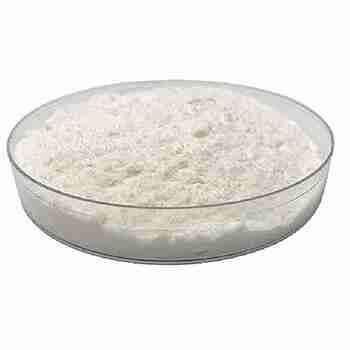
Appearance:?White?crystal?powder
Typical Properties
Item
Specifications
Results
Appearance
White crystal ,with odor of thymol crystal
Conform
Assay
??99%
99.05%
The solidifying point
??49??
49.1??
Evaporation residue
??0.05%
Conform
Solubility
Soluble in 80% ethanol
Conform
CONCLUSION
THE QUALITY IS IN ACCORDANCE WITH USP
?
What is Thymol ?
Thymol is a white to pale yellow translucent crystal that was originally isolated from thyme and is therefore named. Thymol is a crystalline powder at normal temperature, having a boiling point of 233 ?? C and a melting point of 48-51 ?? C. Thymol has a special aroma of thyme or thyme and is an important raw material for the preparation of menthol. It has antiseptic properties and is less toxic than phenol. It has medicinal value and can be used in oral hygiene products.
Thymol Usage
1. The bactericidal action of thymol is stronger than phenol, and its toxicity is low. It has bactericidal and fungicidal effects on the oral throat and mucous membrane. It has antiseptic and local anesthetic effect on the molar cavity. It is used for disinfection of the mouth and throat, dermatophytosis. , radiation sickness and otitis.
2. It can promote tracheal ciliary movement, is conducive to the secretion of tracheal mucus, easy to sputum, plus bactericidal effect, it can be used to treat bronchitis, whooping cough and so on.
3. It has a strong killing effect. The 1% solution has a 100% mortality rate for half an hour, and the 0.03% solution kills 100% for 24 hours. Can also be used as an insecticide.
4. In addition, thymol can also be used as an antioxidant to identify specific reagents for titanium nitride and a comparison benchmark for thymol blue. Thymol is a natural active ingredient with high safety, easy availability, stable chemical properties, low toxicity and easy degradation in the environment. These characteristics are in line with the development requirements of biological pesticides.
5. There is a thymol bactericide, which has a long-lasting effect on watermelon powdery mildew, tomato gray mold, citrus acute anthracnose, pepper blight, eggplant verticillium and other diseases. The fungicide is low in toxicity, environmentally friendly, safe and harmless, and is a fungicide with very good market application prospects.
Thymol?Packaging?
25kg/fiber drum or as customer??s requirement.
Thymol Storage
Keep in cool, dry and shading place.
Related Products


Octocrylene is an organic compound widely recognized for its potent UV-filtering properties, making it an essential ingredient in sunscreens and other skincare products designed to protect the skin from harmful ultraviolet radiation. With the chemical name 2-(4-Methylbenzyl)-2H-benzotriazole-5-methyl, octocrylene is a stable and photostable molecule that provides broad-spectrum protection against both UVA and UVB rays.
This oil-soluble chemical is valued for its ability to absorb UV radiation effectively, converting it into heat without causing skin irritation or staining clothes. Octocrylene is often used in combination with other UV filters to enhance the sun protection factor (SPF) of formulations, ensuring a balanced and comprehensive defense against sun damage.
As a lipophilic compound, octocrylene is compatible with various cosmetic and dermatological formulations, contributing to the development of lightweight, non-greasy sunscreens. Its chemical structure allows for a high degree of safety and efficacy, making it suitable for a wide range of skin types, including sensitive skin.
In summary, octocrylene is a reliable and efficient UV filter, pivotal in the formulation of modern sunscreens that offer advanced protection against the sun’s harmful effects while maintaining skin comfort and product aesthetics.

Terpene resin is a type of natural resin derived from terpenes, which are organic compounds found in various plants. It is known for its aromatic properties and is commonly used in the production of fragrances, flavorings, and as a component in adhesives and coatings within the chemical industry. Terpene resin offers a range of benefits, including enhancing the solubility of essential oils and providing a stable base for various applications. Its natural origin makes it a preferred choice for eco-friendly products.

Silicones are a family of synthetic polymers known for their versatility and stability. They are heat-resistant, non-toxic, and have excellent electrical insulation properties. Commonly used in various industries such as construction, automotive, aerospace, and personal care products, silicones offer a wide range of applications from sealants and adhesives to lubricants and medical devices. Their resistance to extreme temperatures and weathering makes them a preferred choice for many high-performance applications.

Chemical Name: 3-Hydroxybutyric acid
CAS No.: 625-71-8
Molecular Formula: C4H8O3
Molecular Weight: 104.1
Appearance: White powder
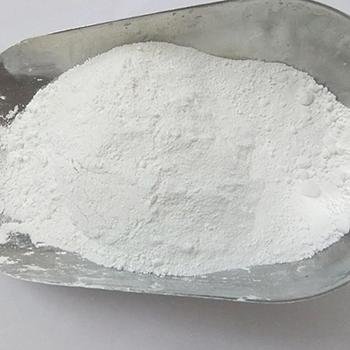
Product name:Cyclopentane
Purity:96%
Appearance:White powder
Package:25kg/bag
Sample:Available
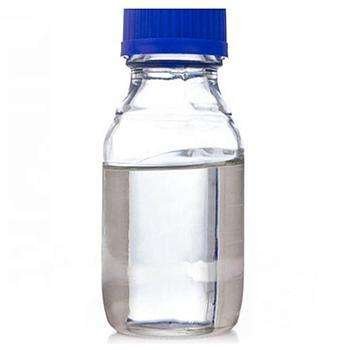
Chemical Name: STODDARD SOLVENT
CAS No.: 64742-88-7
Appearance: Colorless or Light Yellow Liquid

Chemical Name: Arabic gum
CAS No.: 9000-01-5
Appearance: powder
Benzothiazoles are a class of chemical compounds characterized by a fused benzene and thiazole ring. They exhibit a broad spectrum of applications, particularly as antioxidants in rubber and plastic industries, enhancing product longevity and performance. Additionally, benzothiazoles serve as key intermediates in the synthesis of pharmaceuticals, contributing to the development of life-saving drugs. Recognized for their stability and reactivity, these compounds are integral to advancing material science and healthcare solutions.

Butylated Hydroxytoluene (BHT) is a synthetic phenolic antioxidant commonly added to foods, cosmetics, and packaging to prevent the oxidation of fats and oils, thereby extending their shelf life. It is also used as a preservative in a variety of products, including rubber, petroleum products, and animal feed. BHT is recognized for its effectiveness in maintaining nutrient levels, color, flavor, and odor in food products . It is known to have a melting point of 69-71??C, a boiling point of 265??C, and is soluble in ethanol, acetone, and benzene, but not in water, glycerin, or propylene glycol . BHT is also used in some dietary supplements due to its antioxidant properties . However, it is important to handle BHT with care, as it can cause skin irritation and is considered harmful if swallowed .

Chemical Name: Quercetin-3-O-sophoroside
CAS No.: 18609-17-1
Molecular Formula: C27H30O17
Molecular Weight: 626.52
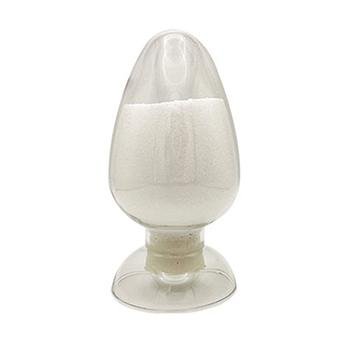
Chemical Name: Imazalil Sulfate
CAS No.: 58594-72-2
Molecular Formula: C14H14Cl2N2O.H2SO4
Molecular Weight: 395.26
Appearance: Solid
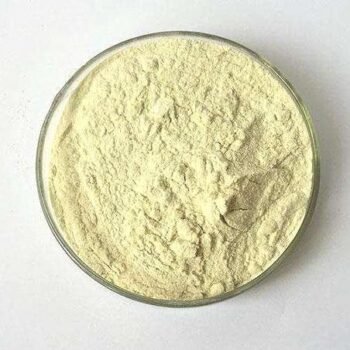
Chemical Name: o-Xylene
Synonyms: 1,2-Dimethylbenzene; ortho-xylene
CAS No.: 95-47-6
Molecular Formula: C8H10
Molecular Weight: 106.17



Reviews
There are no reviews yet.