

Description
Thymol Quick Details
Product Name:?Thymol
Other name: 2-Isopropyl-5-methyl phenol; 5-Methyl-2-(1-methylethyl)phenol
CAS No.: 89-83-8
Chemical?formula: C10H14O
Molecular?Weight:?150.22
Thymol Structure:?
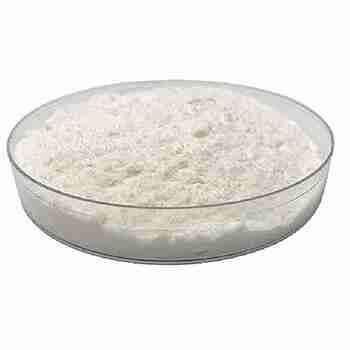
Appearance:?White?crystal?powder
Typical Properties
Item
Specifications
Results
Appearance
White crystal ,with odor of thymol crystal
Conform
Assay
??99%
99.05%
The solidifying point
??49??
49.1??
Evaporation residue
??0.05%
Conform
Solubility
Soluble in 80% ethanol
Conform
CONCLUSION
THE QUALITY IS IN ACCORDANCE WITH USP
?
What is Thymol ?
Thymol is a white to pale yellow translucent crystal that was originally isolated from thyme and is therefore named. Thymol is a crystalline powder at normal temperature, having a boiling point of 233 ?? C and a melting point of 48-51 ?? C. Thymol has a special aroma of thyme or thyme and is an important raw material for the preparation of menthol. It has antiseptic properties and is less toxic than phenol. It has medicinal value and can be used in oral hygiene products.
Thymol Usage
1. The bactericidal action of thymol is stronger than phenol, and its toxicity is low. It has bactericidal and fungicidal effects on the oral throat and mucous membrane. It has antiseptic and local anesthetic effect on the molar cavity. It is used for disinfection of the mouth and throat, dermatophytosis. , radiation sickness and otitis.
2. It can promote tracheal ciliary movement, is conducive to the secretion of tracheal mucus, easy to sputum, plus bactericidal effect, it can be used to treat bronchitis, whooping cough and so on.
3. It has a strong killing effect. The 1% solution has a 100% mortality rate for half an hour, and the 0.03% solution kills 100% for 24 hours. Can also be used as an insecticide.
4. In addition, thymol can also be used as an antioxidant to identify specific reagents for titanium nitride and a comparison benchmark for thymol blue. Thymol is a natural active ingredient with high safety, easy availability, stable chemical properties, low toxicity and easy degradation in the environment. These characteristics are in line with the development requirements of biological pesticides.
5. There is a thymol bactericide, which has a long-lasting effect on watermelon powdery mildew, tomato gray mold, citrus acute anthracnose, pepper blight, eggplant verticillium and other diseases. The fungicide is low in toxicity, environmentally friendly, safe and harmless, and is a fungicide with very good market application prospects.
Thymol?Packaging?
25kg/fiber drum or as customer??s requirement.
Thymol Storage
Keep in cool, dry and shading place.
Related Products

Terpene resin is a type of natural resin derived from terpenes, which are organic compounds found in various plants. It is known for its aromatic properties and is commonly used in the production of fragrances, flavorings, and as a component in adhesives and coatings within the chemical industry. Terpene resin offers a range of benefits, including enhancing the solubility of essential oils and providing a stable base for various applications. Its natural origin makes it a preferred choice for eco-friendly products.
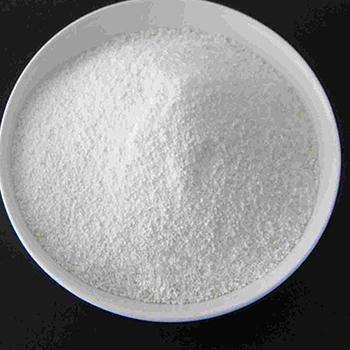
Chemical Name: Dehydrocholic acid
Synonyms: Acide dehydrocholique; Triketocholanic acid
CAS No.: 81-23-2
Molecular Formula: C24H34O5
Molecular Weight: 402.53
Appearance: Powder

Ethylhexyl Palmitate is a skin-conditioning ester, derived from ethylhexanol and palmitic acid, that imparts moisturization and a smooth texture to cosmetic and personal care formulations. It is valued for its emollient properties, enhancing the sensory experience of skin care products.
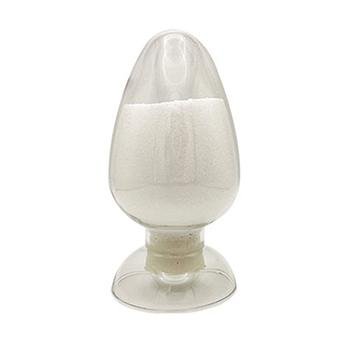
Chemical Name: Imazalil Sulfate
CAS No.: 58594-72-2
Molecular Formula: C14H14Cl2N2O.H2SO4
Molecular Weight: 395.26
Appearance: Solid
Chemical Name: o-Xylene
Synonyms: 1,2-Dimethylbenzene; ortho-xylene
CAS No.: 95-47-6
Molecular Formula: C8H10
Molecular Weight: 106.17
Product name:HYDROXYPROPYL GUAR HYDROXYPROPYLTRIMONIUM CHLORIDE
Purity:99%
Appearance:Light Yellow Powder
Package:Customized according to customer needs.
Sample:Available
Chemical Name: Ashwagandha Extract
Synonyms: Withania somnifera, ext.; Withania Somnefera Extract
CAS: 90147-43-6
Appearance: Brown
POLY(VINYL CHLORIDE-CO-ISOBUTYL VINYL ETHER) is a copolymer that combines the properties of vinyl chloride and isobutyl vinyl ether. This polymer offers a balance of rigidity and flexibility, along with enhanced chemical resistance and durability. It is commonly used in the production of films, coatings, and adhesives due to its excellent barrier properties against gases and moisture, making it ideal for packaging and construction applications.


Octocrylene is an organic compound widely recognized for its potent UV-filtering properties, making it an essential ingredient in sunscreens and other skincare products designed to protect the skin from harmful ultraviolet radiation. With the chemical name 2-(4-Methylbenzyl)-2H-benzotriazole-5-methyl, octocrylene is a stable and photostable molecule that provides broad-spectrum protection against both UVA and UVB rays.
This oil-soluble chemical is valued for its ability to absorb UV radiation effectively, converting it into heat without causing skin irritation or staining clothes. Octocrylene is often used in combination with other UV filters to enhance the sun protection factor (SPF) of formulations, ensuring a balanced and comprehensive defense against sun damage.
As a lipophilic compound, octocrylene is compatible with various cosmetic and dermatological formulations, contributing to the development of lightweight, non-greasy sunscreens. Its chemical structure allows for a high degree of safety and efficacy, making it suitable for a wide range of skin types, including sensitive skin.
In summary, octocrylene is a reliable and efficient UV filter, pivotal in the formulation of modern sunscreens that offer advanced protection against the sun’s harmful effects while maintaining skin comfort and product aesthetics.

Polyhexamethylene guanidine hydrochloride, often abbreviated as PHMG-HCl, is a high molecular weight polymeric biguanide compound known for its potent antimicrobial properties. With a chemical structure that features a long chain of methylene groups bridged by guanidine units, PHMG-HCl is effective against a broad spectrum of microorganisms, including bacteria, viruses, and fungi.
This hydrochloride salt form of PHMG is highly soluble in water and is commonly used in various applications due to its non-irritant and non-toxic nature to human skin and mucous membranes. It is widely recognized for its ability to form a colorless and odorless solution, making it an ideal choice for use in personal care products, medical disinfectants, and water treatment processes.
The versatility of PHMG-HCl lies in its cationic nature, which allows it to bind to negatively charged microbial cell walls, disrupting their integrity and leading to cell death. This mechanism of action contributes to its effectiveness as a preservative and disinfectant. Moreover, its substantivity, or the ability to adhere to surfaces, enhances its long-lasting antimicrobial activity.
In summary, Polyhexamethylene guanidine hydrochloride is a reliable and efficient antimicrobial agent, pivotal in industries where hygiene and cleanliness are paramount, offering a safe and sustainable solution for microbial control.
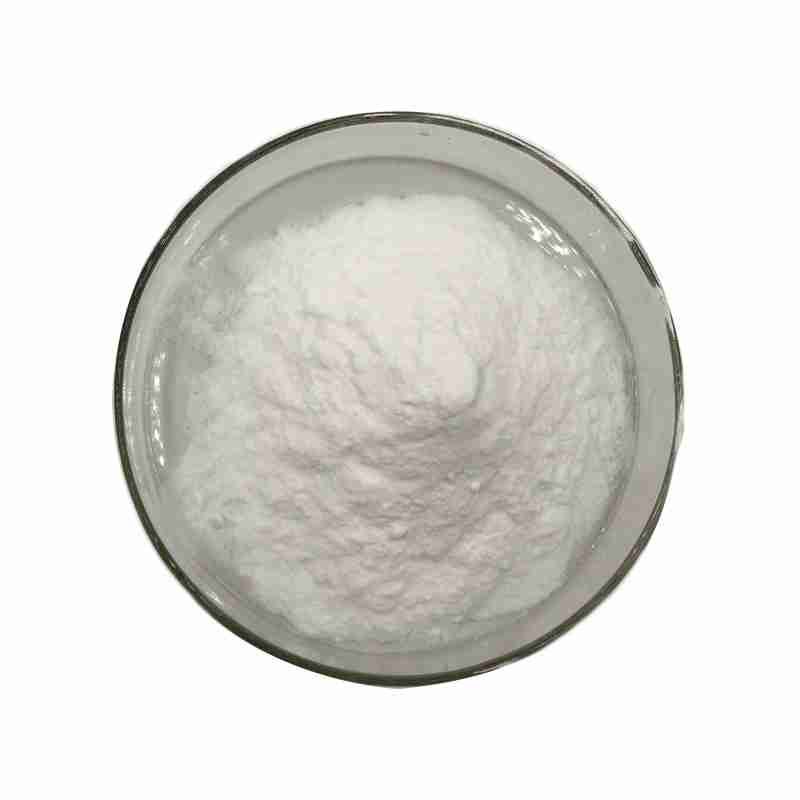
Succinimide is a heterocyclic organic compound and an important industrial chemical. It serves as a key intermediate in the synthesis of various pharmaceuticals, agrochemicals, and other specialty chemicals. Known for its reactivity and versatility, succinimide is widely used in the production of succinic anhydride, a precursor to many polymers and plasticizers, highlighting its significance in the chemical industry.
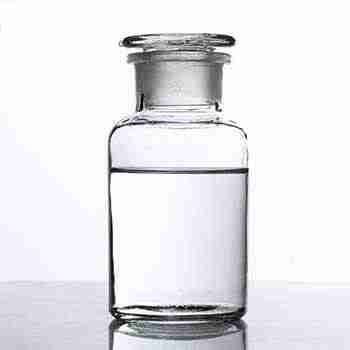
1-Octanol, also known as Capryl alcohol or n-Octanol, is a clear, colorless liquid with a characteristic waxy odor. It is an alcohol with eight carbon atoms in its chain, making it a part of the aliphatic alcohol family. This compound is poorly soluble in water but is miscible with ethanol, diethyl ether, and chloroform . It has a melting point of approximately -15??C and a boiling point of around 196??C . 1-Octanol is used in the production of esters, plasticizers, and as a solvent or intermediate in the synthesis of various organic compounds. It also finds application in the fragrance industry as a fixative in perfumes and can be used in the formulation of flavor and scent compositions . It is important to note that 1-Octanol is flammable and should be handled with care, storing it away from sources of ignition and heat .



Reviews
There are no reviews yet.