
Description
Thaumatin Details
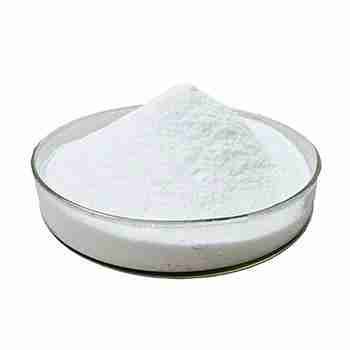
Chemical Name: Thaumatin
CAS No.: 53850-34-3
Appearance: Powder
Thaumatin Typical Properties
PH
?pH(10g/l, 25??) : 2.0??5.5
Odor
Odorless
Water Solubility
25 mg/ml
Appearance
Powder
Colour
Light yellow
Thaumatin Usage
Used as a non-caloric sweetener, sweetener. It has the advantages of enhancing flavor, masking bitterness, improving taste, and being comparable to other sweeteners.
Thaumatin Packaging and Shipping
Packing: 25KG/carton
Thaumatin Storage
Keep in a well-closed,?light-resistant, dry and cool place.
Related Products
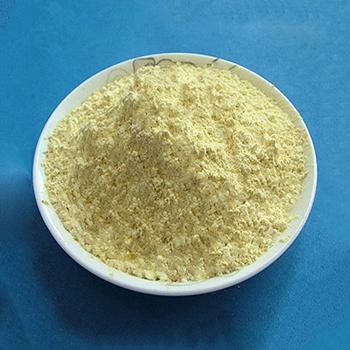
Product name:HYDROXYPROPYL GUAR HYDROXYPROPYLTRIMONIUM CHLORIDE
Purity:99%
Appearance:Light Yellow Powder
Package:Customized according to customer needs.
Sample:Available
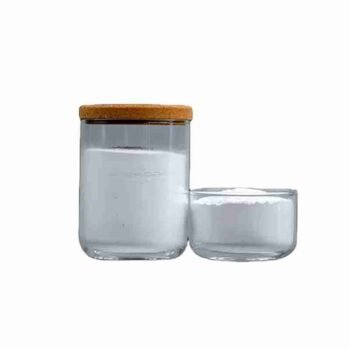
Hydrogenated lecithin is light yellow or milky white powder. Due to the use of catalysis and hydrogenation processes, the unsaturated chains of unsaturated fatty acids in the molecular structure of soybean lecithin disappear, thereby greatly improving the chemical stability, dispersibility, and emulsification of lecithin. It has decolorization and deodorization effects, which is more conducive to storage and preservation, and improves its role in medicine, high-end cosmetics, and light industry. It is especially suitable for intravenous fat emulsifiers and nutrients. It is used as a blood lipid emulsifier to prevent arteriosclerosis, and has the advantages of being easy to digest, easy to absorb, and almost not remaining in the internal organs.
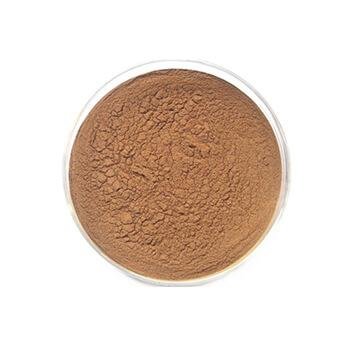
Chemical Name: Ashwagandha Extract
Synonyms: Withania somnifera, ext.; Withania Somnefera Extract
CAS: 90147-43-6
Appearance: Brown
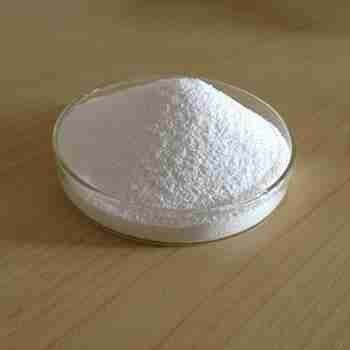
Chemical Name: Hydroxypropyl starch
Synonyms: Starch 2-hydroxypropyl ether; Hydroxypropyl starch ether; 2-Hydroxypropyl starch
Cas No.: 9049-76-7
Molecular Fomula: C24H42O21
Molecular Weight: 666.57768
Appearance:?White Powder
Chemical Name: Polyglycerol Fatty Acid Ester
Synonyms: Decaglyceryl Dipalmitate
CAS No.: 67784-82-1
Molecular Fomula: C3H8O3
Molecular weight:432.642
Appearance:?White to yellow powder, solid, mucus
Assay: 99.9%
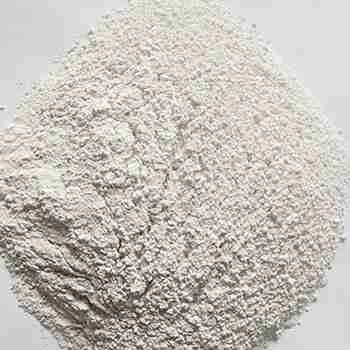
Chemical Name: LOCUST BEAN GUM
CAS No.:9000-40-2
Molecular Fomula: C10H11ClN2O2
Molecular weight: 226.65954
Appearance: Off-white to light beige solid
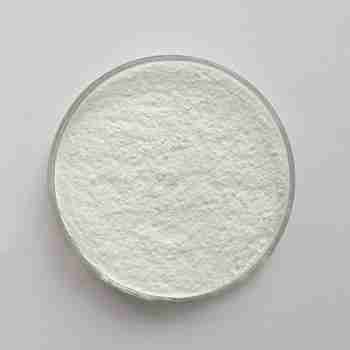
Chemical Name: Zinc citrate
Synonyms: Zinc citrate trihydrate
CAS No.: 546-46-3
Molecular Formula: C6H8O7Zn
Molecular Weight: 257.5
Appearance: White powder
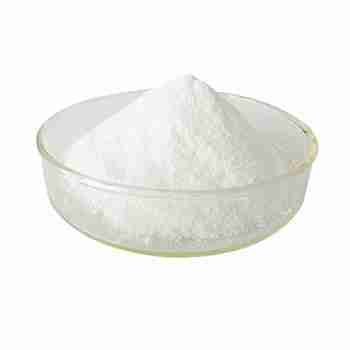
Chemical Name: Disodium Hydrogen Citrate Sesquihydrate
Cas No.: 6132-05-4
Appearance:?White Powder
Assay??99%
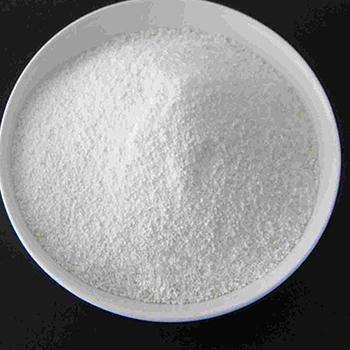
Chemical Name: Dehydrocholic acid
Synonyms: Acide dehydrocholique; Triketocholanic acid
CAS No.: 81-23-2
Molecular Formula: C24H34O5
Molecular Weight: 402.53
Appearance: Powder
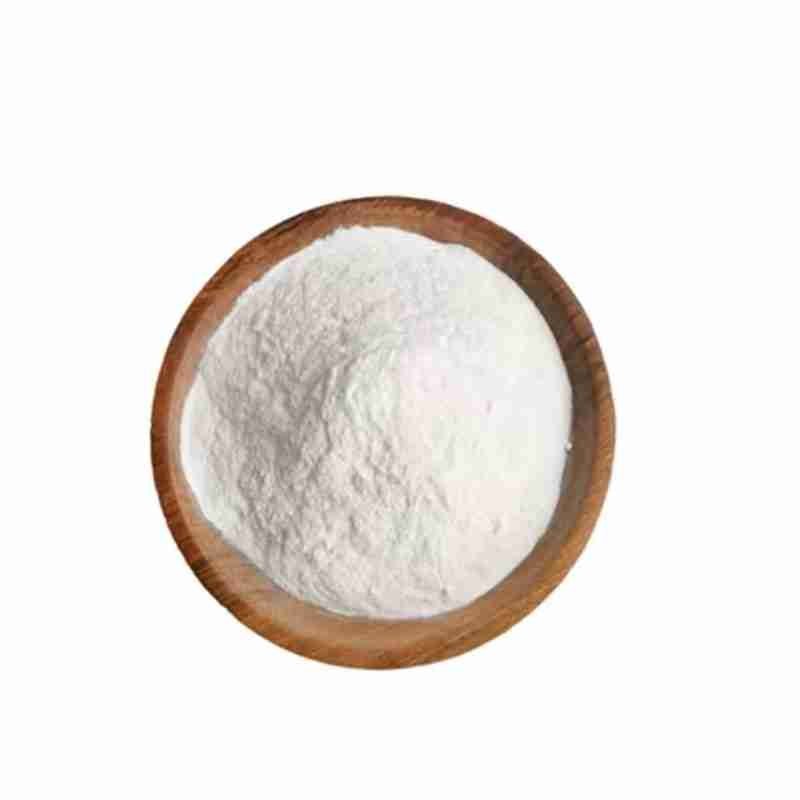
Microcrystalline cellulose is a purified, partially depolymerized cellulose that occurs as a white, odorless, tasteless, crystalline powder composed of porous particles. It is commercially available in different particle sizes and moisture grades that have different properties and applications.
Microcrystalline cellulose and carboxymethylcellulose sodium occurs as a white or off-white odorless and tasteless hygroscopic powder containing 5?C22% sodium carboxymethylcellulose. It is a water-dispersible organic hydrocolloid.
Citric acid is a white, crystalline, weak organic acid present in most plants and many animals as an intermediate in cellular respiration. Citric acid contains three carboxyl groups making it a carboxylic, more specifically a tricarboxylic, acid.the name citrus originates from the Greek kedromelon meaning apple of melon for the fruit citron. Greek works mention kitron, kitrion, or kitreos for citron fruit, which is an oblong fruit several inches long from the scrublike tree Citrus medica. Lemons and limes have high citric acid content, which may account for up to 8% of the fruit’s dry weight.

Chemical Name: Imazalil Sulfate
CAS No.: 58594-72-2
Molecular Formula: C14H14Cl2N2O.H2SO4
Molecular Weight: 395.26
Appearance: Solid



Reviews
There are no reviews yet.