
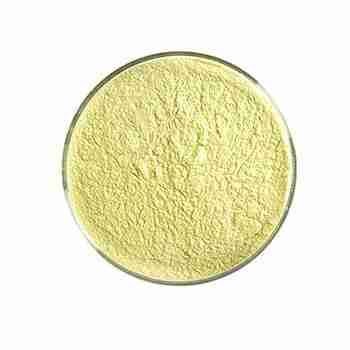
Spermidine trihydrochloride CAS 334-50-9

Chemical Name: Spermidine trihydrochloride
Synonyms: Spermidine 3HCL
CAS No.: 334-50-9
Molecular Fomula: C7H22Cl3N3
Molecular weight:?254.63
Appearance:?Light yellow powder
Assay: ??98%
Description
Spermidine trihydrochloride Quick Details
Chemical Name: Spermidine trihydrochloride
CAS No.: 334-50-9
Molecular Fomula: C7H22Cl3N3
Chemical Structure:
Molecular weight:?254.63
Appearance:?Light yellow powder
Assay: ??98%
Typical Properties
Test?item
Specification
Appearance
Light yellow powder
Purity ??HPLC??
???98%
Particle-size
NLT100% 80?mesh
Weight loss
??2.0%
Total metals
???10.0ppm
Lead
???2.0ppm
Mercury
???1.0ppm
Cadmium
???0.5ppm
Total of bacteria
??1000cfu/g
Yeast
??100cfu/g
Escherichia coli
Not included
Salmonella
Not included
Staphylococcus
Not included
?
Spermidine trihydrochloride application:
Although spermidine occurs naturally in a variety of foods, its levels vary widely. Foods rich in spermidine include certain types of cheese (such as aged cheese), mushrooms, whole grains, beans and soy products, such as tempeh. However, obtaining adequate spermidine levels through diet alone can be challenging. Therefore, dietary supplements containing spermidine trihydrochloride are popular as a convenient way to ensure optimal intake.This compound is primarily used in dietary supplements, and its benefits are far-reaching, ranging from anti-aging effects to promoting heart and brain health, boosting immunity, preventing muscle loss, and nourishing hair and skin.
Packaging and Shipping?
Customized according to customer needs.
Spermidine trihydrochloride Storage
Ensure the room is cool, dry, dark and well ventilated.
Related Products

Butylated Hydroxytoluene (BHT) is a synthetic phenolic antioxidant commonly added to foods, cosmetics, and packaging to prevent the oxidation of fats and oils, thereby extending their shelf life. It is also used as a preservative in a variety of products, including rubber, petroleum products, and animal feed. BHT is recognized for its effectiveness in maintaining nutrient levels, color, flavor, and odor in food products . It is known to have a melting point of 69-71??C, a boiling point of 265??C, and is soluble in ethanol, acetone, and benzene, but not in water, glycerin, or propylene glycol . BHT is also used in some dietary supplements due to its antioxidant properties . However, it is important to handle BHT with care, as it can cause skin irritation and is considered harmful if swallowed .
Chemical Name: Imazalil Sulfate
CAS No.: 58594-72-2
Molecular Formula: C14H14Cl2N2O.H2SO4
Molecular Weight: 395.26
Appearance: Solid
Chemical Name: Dehydrocholic acid
Synonyms: Acide dehydrocholique; Triketocholanic acid
CAS No.: 81-23-2
Molecular Formula: C24H34O5
Molecular Weight: 402.53
Appearance: Powder
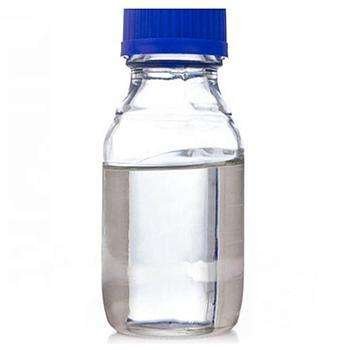
Chemical Name: STODDARD SOLVENT
CAS No.: 64742-88-7
Appearance: Colorless or Light Yellow Liquid
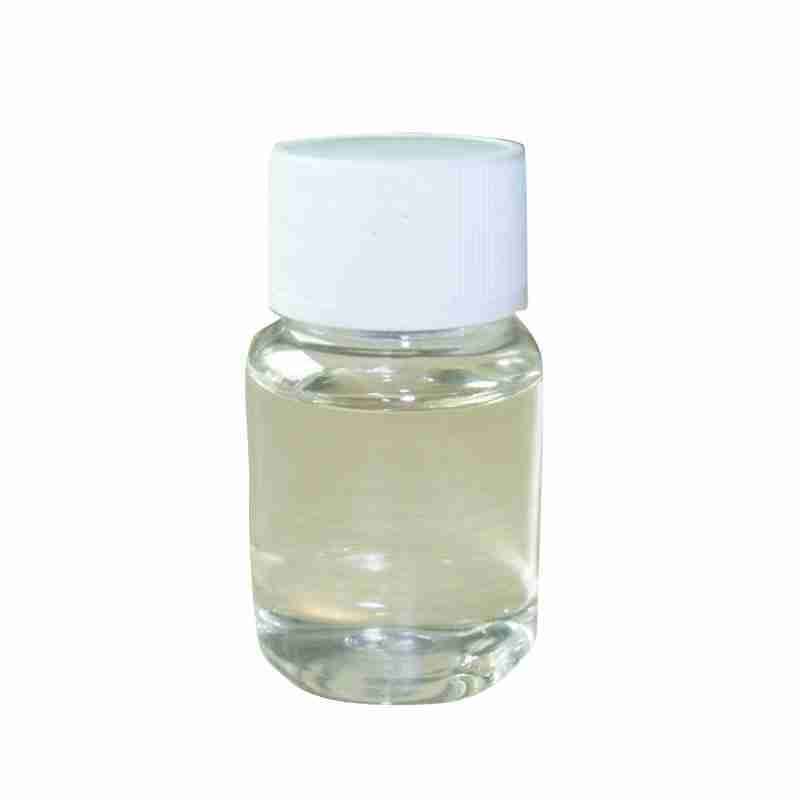
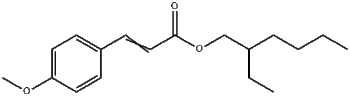
Octyl 4-methoxycinnamate, scientifically known as 2-Ethylhexyl 4-Methoxycinnamate, is a highly effective organic UV filter commonly used in the formulation of sunscreens and cosmetic products. This compound is renowned for its ability to absorb ultraviolet B (UVB) radiation, providing a reliable defense against the sun’s harmful effects on the skin.
Characterized by its chemical formula C19H28O3, Octyl 4-methoxycinnamate is a liquid ester that is readily soluble in organic solvents. It is valued for its photostability, which means it maintains its protective properties even after prolonged exposure to sunlight. This feature makes it an ideal ingredient for products designed to offer long-lasting sun protection.
In addition to its UVB absorption capabilities, Octyl 4-methoxycinnamate is also appreciated for its compatibility with other UV filters, allowing for the creation of broad-spectrum sunscreens. It contributes to the development of formulations that are non-greasy and cosmetically elegant, suitable for a variety of skin types.
As a key component in sun care products, Octyl 4-methoxycinnamate supports the skin’s health by preventing sunburn, reducing the risk of skin cancer, and delaying the signs of photoaging. Its safety profile and efficacy make it a preferred choice in the personal care and dermatological industries for sun protection solutions.
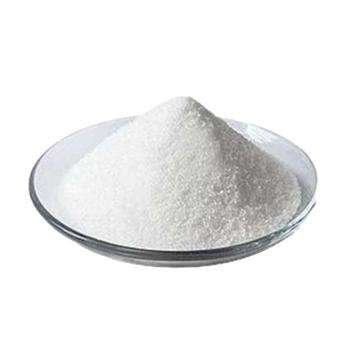
Chemical Name: 3-Hydroxybutyric acid
CAS No.: 625-71-8
Molecular Formula: C4H8O3
Molecular Weight: 104.1
Appearance: White powder
3,4-Ethylenedioxythiophene is a synthetic organic compound characterized by its unique structure that includes a thiophene ring with ethylenedioxy substituents at the 3 and 4 positions. This compound is known for its potential applications in the synthesis of various organic materials, including pharmaceuticals and organic electronic devices such as sensors and solar cells. Its stability and reactivity make it a versatile intermediate in the chemical industry.
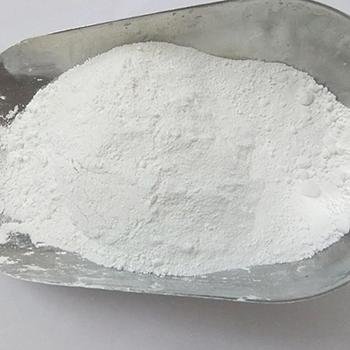
Product name:Cyclopentane
Purity:96%
Appearance:White powder
Package:25kg/bag
Sample:Available
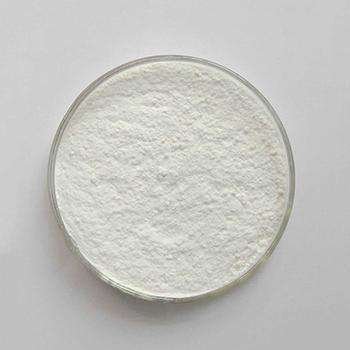
Chemical Name: Zinc citrate
Synonyms: Zinc citrate trihydrate
CAS No.: 546-46-3
Molecular Formula: C6H8O7Zn
Molecular Weight: 257.5
Appearance: White powder
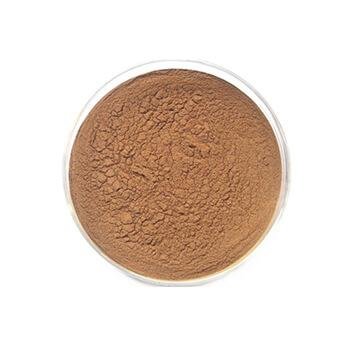
Chemical Name: Ashwagandha Extract
Synonyms: Withania somnifera, ext.; Withania Somnefera Extract
CAS: 90147-43-6
Appearance: Brown
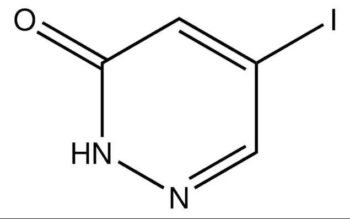
Common English name: 5-iodo-2,3-dihydropyridazin-3-one
CAS No.: 825633-94-1
Molecular formula: C4H3IN2O
Molecular weight: 221.98
Sample: Available
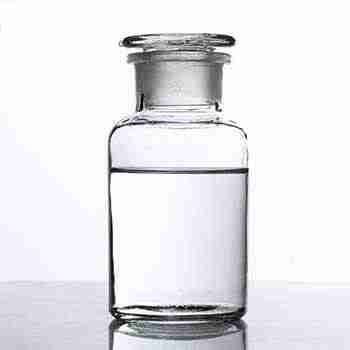
1-Octanol, also known as Capryl alcohol or n-Octanol, is a clear, colorless liquid with a characteristic waxy odor. It is an alcohol with eight carbon atoms in its chain, making it a part of the aliphatic alcohol family. This compound is poorly soluble in water but is miscible with ethanol, diethyl ether, and chloroform . It has a melting point of approximately -15??C and a boiling point of around 196??C . 1-Octanol is used in the production of esters, plasticizers, and as a solvent or intermediate in the synthesis of various organic compounds. It also finds application in the fragrance industry as a fixative in perfumes and can be used in the formulation of flavor and scent compositions . It is important to note that 1-Octanol is flammable and should be handled with care, storing it away from sources of ignition and heat .



Reviews
There are no reviews yet.