
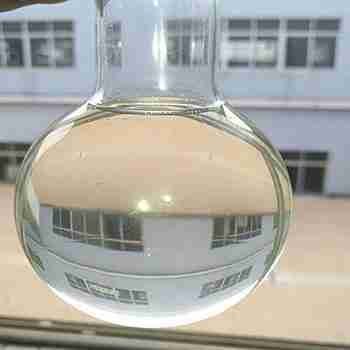
Solketal CAS 100-79-8
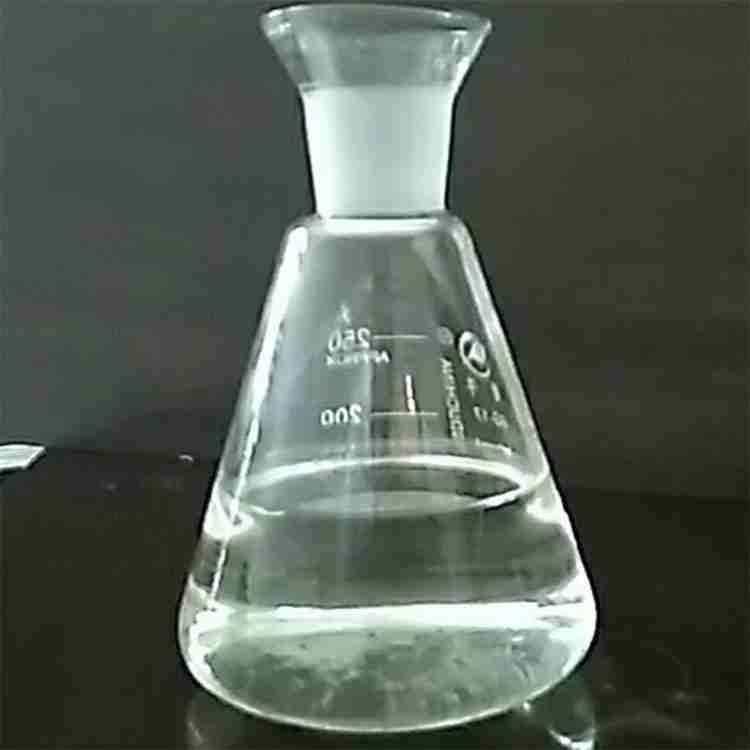
Assay:?R99.0%
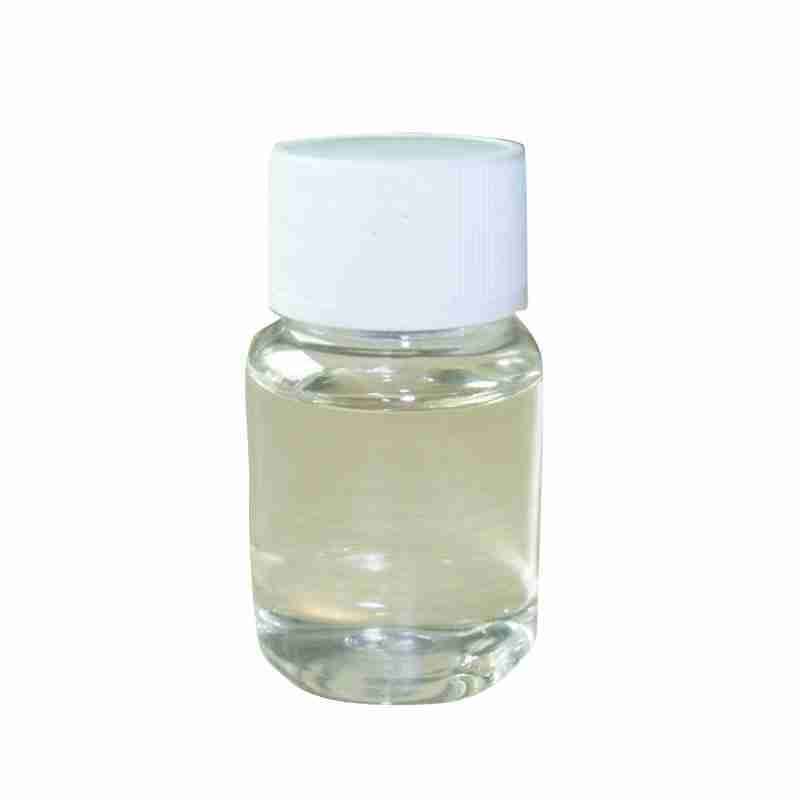
Appearance: Colorless transparent liquid, no foreign body
Packing: 25kg/drum, 200kg/drum
Sample: Available
related documents:
COA of Solketal 100-79-8
TDS of Solketal 100-79-8
Request for product documents
Description
Solketal Quick Details
Chemical Name: Solketal/ 2,3-Isopropylideneglycerol/ 2,2-Dimethyl-1,3-dioxolane-4-methanol
CAS No.:100-79-8
MF: C6H12O3
MW: 132.16
Appearance: Colorless transparent liquid, no foreign body
Solketal Quality standard
Item
Standard
Appearance
Colorless transparent liquid, no foreign body
Moisture (By KF)
?Q0.5%
Acid number
?Q0.2mg KOH/g
Color (Pt`Co)
?Q10Hazen
Purity (GC, by area)
?R99.0%
Acetone
?Q0.2%
Glycerinum
?Q0.3%
Solketal Principal Use
The intermediate of shark liver alcohol.Universal solvent, plasticizer, pharmaceutical auxiliary materials (co-solvent, suspension agent)
Solketal Package
25kg/drum?? 200kg/drum
Solketal Storage
It is forbidden to mix with toxic and harmful substances. The product has certain moisture absorption. It should be stored in a sealed way in low temperature, dry, cool and ventilated condition. The shelf life is not open for 24 months.
Related Products
Chemical Name: UV-120
Other Name: (2’,4’-Di-tert-butylphenyl 3,5-di-tert-butyl-4-hydroxybenzoate)
CAS No.: 4221-80-1
Molecular Fomula: C29H42O3
Molecular weight: 438.66
Assay: ≥99%(LC)
3,4-Ethylenedioxythiophene is a synthetic organic compound characterized by its unique structure that includes a thiophene ring with ethylenedioxy substituents at the 3 and 4 positions. This compound is known for its potential applications in the synthesis of various organic materials, including pharmaceuticals and organic electronic devices such as sensors and solar cells. Its stability and reactivity make it a versatile intermediate in the chemical industry.
Silicones are a family of synthetic polymers known for their versatility and stability. They are heat-resistant, non-toxic, and have excellent electrical insulation properties. Commonly used in various industries such as construction, automotive, aerospace, and personal care products, silicones offer a wide range of applications from sealants and adhesives to lubricants and medical devices. Their resistance to extreme temperatures and weathering makes them a preferred choice for many high-performance applications.
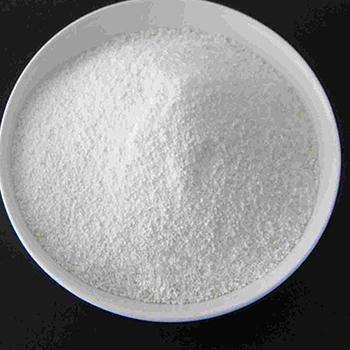
Chemical Name: Dehydrocholic acid
Synonyms: Acide dehydrocholique; Triketocholanic acid
CAS No.: 81-23-2
Molecular Formula: C24H34O5
Molecular Weight: 402.53
Appearance: Powder

Polyhexamethylene guanidine hydrochloride, often abbreviated as PHMG-HCl, is a high molecular weight polymeric biguanide compound known for its potent antimicrobial properties. With a chemical structure that features a long chain of methylene groups bridged by guanidine units, PHMG-HCl is effective against a broad spectrum of microorganisms, including bacteria, viruses, and fungi.
This hydrochloride salt form of PHMG is highly soluble in water and is commonly used in various applications due to its non-irritant and non-toxic nature to human skin and mucous membranes. It is widely recognized for its ability to form a colorless and odorless solution, making it an ideal choice for use in personal care products, medical disinfectants, and water treatment processes.
The versatility of PHMG-HCl lies in its cationic nature, which allows it to bind to negatively charged microbial cell walls, disrupting their integrity and leading to cell death. This mechanism of action contributes to its effectiveness as a preservative and disinfectant. Moreover, its substantivity, or the ability to adhere to surfaces, enhances its long-lasting antimicrobial activity.
In summary, Polyhexamethylene guanidine hydrochloride is a reliable and efficient antimicrobial agent, pivotal in industries where hygiene and cleanliness are paramount, offering a safe and sustainable solution for microbial control.

Chemical Name: Ammonium Iron(II) Sulfate
Synonyms: Diammonium iron bis(sulphate); iron (ii) ammonium sulfate
CAS No.: 10045-89-3
Molecular Formula: FeH5NO4S
Molecular Weight: 170.95
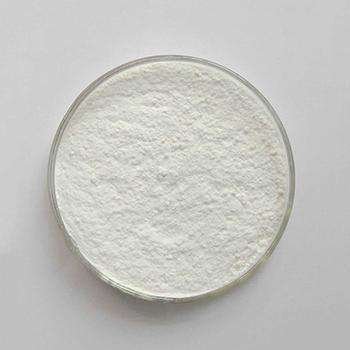
Chemical Name: Zinc citrate
Synonyms: Zinc citrate trihydrate
CAS No.: 546-46-3
Molecular Formula: C6H8O7Zn
Molecular Weight: 257.5
Appearance: White powder
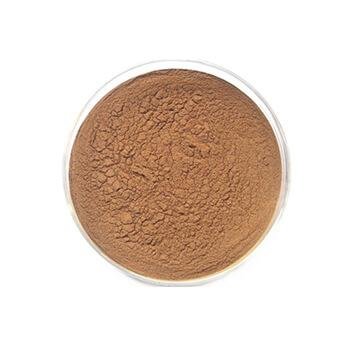
Chemical Name: Ashwagandha Extract
Synonyms: Withania somnifera, ext.; Withania Somnefera Extract
CAS: 90147-43-6
Appearance: Brown
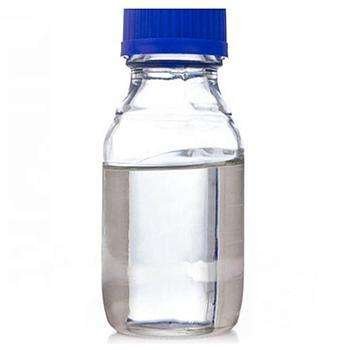
Chemical Name: STODDARD SOLVENT
CAS No.: 64742-88-7
Appearance: Colorless or Light Yellow Liquid

Benzothiazoles are a class of chemical compounds characterized by a fused benzene and thiazole ring. They exhibit a broad spectrum of applications, particularly as antioxidants in rubber and plastic industries, enhancing product longevity and performance. Additionally, benzothiazoles serve as key intermediates in the synthesis of pharmaceuticals, contributing to the development of life-saving drugs. Recognized for their stability and reactivity, these compounds are integral to advancing material science and healthcare solutions.
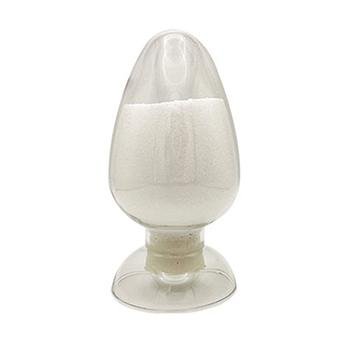
Chemical Name: Imazalil Sulfate
CAS No.: 58594-72-2
Molecular Formula: C14H14Cl2N2O.H2SO4
Molecular Weight: 395.26
Appearance: Solid
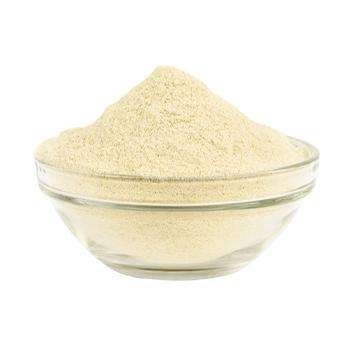
Chemical Name: Arabic gum
CAS No.: 9000-01-5
Appearance: powder



Reviews
There are no reviews yet.