
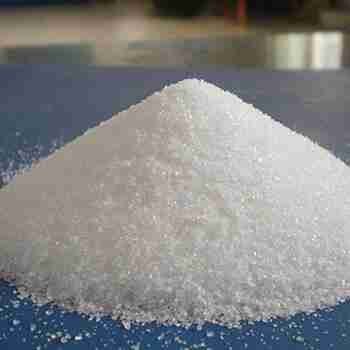
Sodium pyrophosphate decahydrate CAS 13472-36-1
Chemical Name: Sodium pyrophosphate decahydrate
CAS No.: 13472-36-1
Molecular Fomula: H7NaO8P2
Molecular weight:?219.99
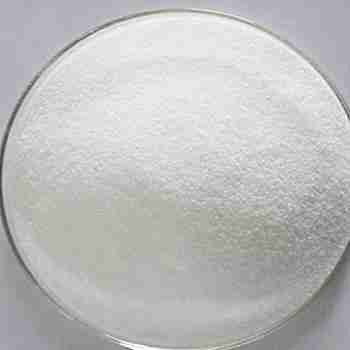
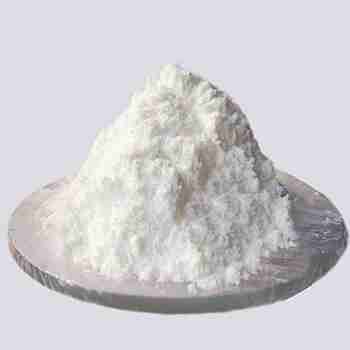
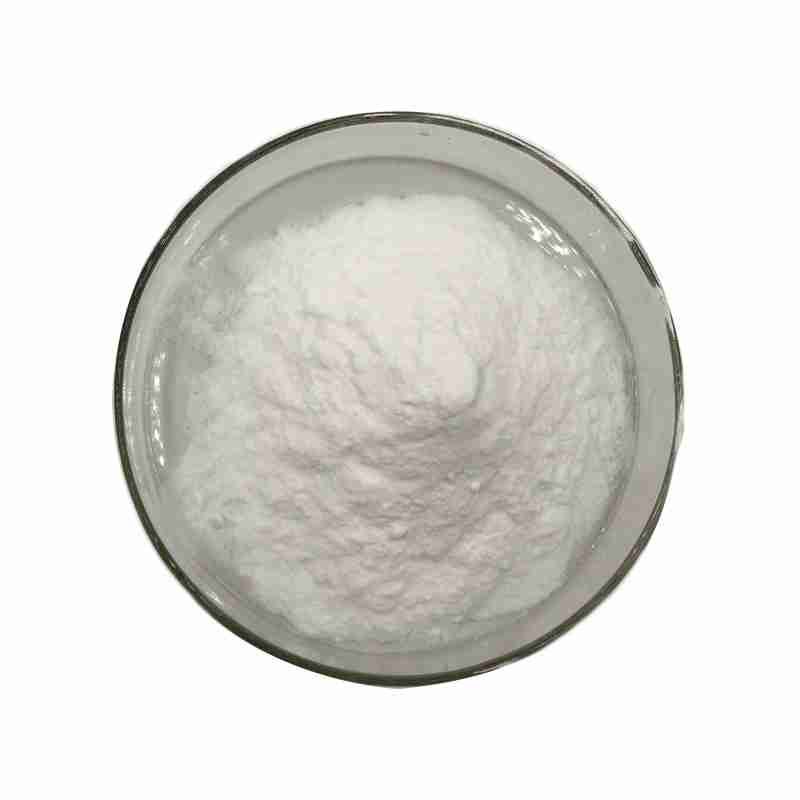
Appearance:?Colorless monoclinic crystal or white crystal or white crystalline powder.
Assay: ??98%
Description
Sodium pyrophosphate decahydrate?Quick Details
Chemical Name: Sodium pyrophosphate decahydrate
CAS No.: 13472-36-1
Molecular Fomula: H7NaO8P2
Chemical Structure:
Molecular weight:?219.99
Appearance:?Colorless monoclinic crystal or white crystal or white crystalline powder.
Assay: ??98%
Typical Properties
ITEMS
SPECIFICATION
Melting point
80??C
Boiling point
93.8??C
Density
1.82
Solubility
H2O: 0.1 M, 20 ??C, clear, colorless
Proportion
1.82
Acid-base indicator discoloration pH range
10.3
pH value
9.5-11.0 (25??, 0.1M in H2O)
Water solubility
62 g/L (20 oC)
Maximum wavelength (??max)
??: 260 nm Amax: 0.010
??: 280 nm Amax: 0.010
Merck
14,9240
Exposure limits
NIOSH: TWA 5 mg/m3
?
Sodium pyrophosphate decahydrate application:
Used as water softener, boiler descaler, metal ion chelating agent. Dispersant, auxiliary in printing, dyeing and fine bleaching. Synthetic detergent additives. Conditioner for oil well mud. Used as a complexing agent for copper in electroplating solutions.
Packaging and Shipping?
Customized according to customer needs.
Sodium pyrophosphate decahydrate?Storage
Store at +5??C to +30??C.
Related Products

Kaolin, also known as china clay, is a naturally occurring hydrated aluminum silicate mineral. It is a soft, white, plastic clay that is widely used in ceramics, papermaking, and as a pigment in paints, coatings, and plastics. Kaolin is valued for its fine particle size, purity, and ability to improve the brightness and opacity of materials. Its inert nature and high refractive index make it ideal for various industrial applications, including cosmetics and pharmaceuticals.
Product name:Cyclopentane
Purity:96%
Appearance:White powder
Package:25kg/bag
Sample:Available

Silicon dioxide, commonly known as silica, is a naturally occurring compound found in quartz and sand. It is a primary component of most rocks and is widely used in various industries due to its high thermal stability, chemical inertness, and optical clarity. In chemical applications, it is valued for its abrasive, refractory, and adsorptive properties, making it essential in products like glass, ceramics, and electronics.
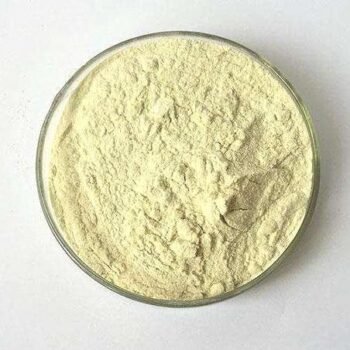
Chemical Name: o-Xylene
Synonyms: 1,2-Dimethylbenzene; ortho-xylene
CAS No.: 95-47-6
Molecular Formula: C8H10
Molecular Weight: 106.17

Carbon black, also known as carbon dark, is a kind of unformed carbon. It??s a light, loose and extremely fine black greasepaint with a veritably large face area ranging from 10 to 3000m2/g. It??s an deficient combustion of carbonaceous substances( coal, natural gas, heavy oil painting, energy oil painting,etc.) under conditions of inadequate air. Or products deduced from thermal corruption. Those made from natural gas are called?? gas dark??, those made from oil painting are called?? beacon black??, and those made from acetylene are called?? acetylene black??. In addition, there are?? trough black?? and?? furnace black??.

Hexaammonium molybdate is a high-purity, water-soluble molybdenum compound with the chemical formula (NH4)6Mo7O24??4H2O. It is a crystalline solid that serves as a molybdenum source in various applications, including agriculture as a micronutrient fertilizer and in the industrial production of catalysts and pigments. Known for its stability and reactivity, it is used to enhance the properties of steel and other alloys, promoting their hardness and resistance to wear.
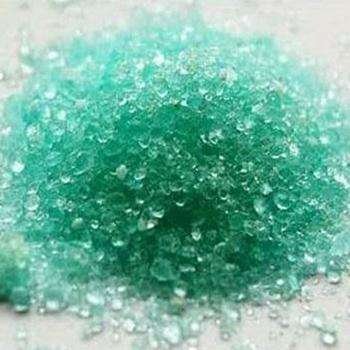
Chemical Name: Ammonium Iron(II) Sulfate
Synonyms: Diammonium iron bis(sulphate); iron (ii) ammonium sulfate
CAS No.: 10045-89-3
Molecular Formula: FeH5NO4S
Molecular Weight: 170.95
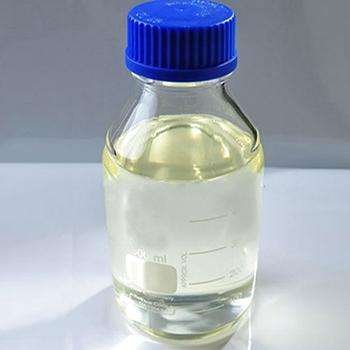
Chemical Name: 1,1,2,2-Tetrachloroethane
Other Name: Tetrachlorethane
CAS No.: 79-34-5
Molecular Formula: C2H2Cl4
Molecular Weight: 167.85
Appearance: Liquid
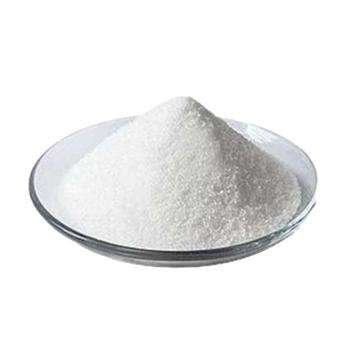
Chemical Name: 3-Hydroxybutyric acid
CAS No.: 625-71-8
Molecular Formula: C4H8O3
Molecular Weight: 104.1
Appearance: White powder

Bentonite, sodium-activated, is a type of clay rich in montmorillonite minerals, which undergoes a process to increase its sodium content. This alteration enhances its swelling and adsorptive properties, making it a highly effective thickener and gel-forming agent. Sodium bentonite is widely used in drilling muds, foundry sands, and as a binder in various industrial applications. Its ability to absorb liquids and form stable gels makes it invaluable in cosmetics, agriculture, and as a component in the manufacturing of ceramics and paper products.

Copper(II) sulfate, with the chemical formula CuSO4, is a blue crystalline compound that is soluble in water. It is commonly used in agriculture as a fungicide and in the textile industry as a dye fixative. Copper(II) sulfate is also utilized in the manufacture of pigments, batteries, and as an algaecide in water treatment. Its distinctive blue color and reactivity make it a versatile chemical in various industrial applications, including chemical analysis and electroplating.
Ammonium sulfamate is a white crystalline compound with the chemical formula (NH4)2SO3. It is a versatile chemical used in various applications, including as a flame retardant, a fertilizer ingredient, and a chemical intermediate. In the agricultural sector, it serves as a source of nitrogen, promoting plant growth. As a flame retardant, it is effective in reducing the flammability of materials. Additionally, it is used in the synthesis of other chemicals due to its reactivity with amines and other organic compounds. Its properties make it a valuable component in a range of industrial processes.




![1-[9-ethyl-6-(4-fluoro-benzoyl)-9H-carbazol-3-yl]-ethanone Cas 876907-97-0](https://bgbchem.com/wp-content/uploads/woocommerce-placeholder-350x350.webp)
Reviews
There are no reviews yet.