


Description
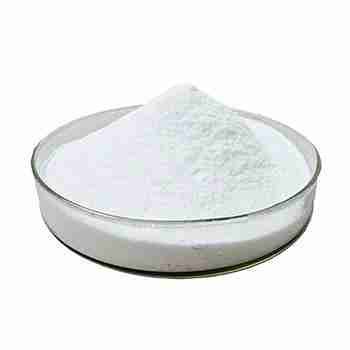
Sodium phosphate tribasic dodecahydrate Detail
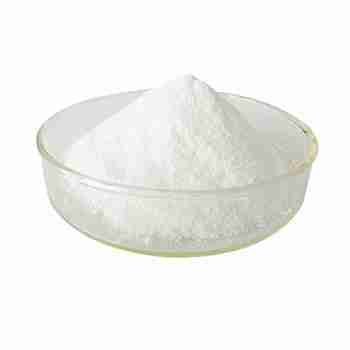
Product name:?Sodium phosphate tribasic dodecahydrate
CAS No.: 10101-89-0
MF: H6NaO5P
Standard
Items
Standard value
Melting point
Dark green to reddish brown powder
Density
1.62 g/mL at 25 ??C
Solubility
Solubility in water 0.5 Mat 20 ??C, clear, colorless
?
Applications???
In the chemical, textile, printing and dyeing, papermaking, power generation and other industries, it is used as water softener and detergent, boiler anti-scaling agent, water softener in paper dyeing, pH buffering agent for the production of adhesives for waxed paper, and fixation agent in printing and dyeing. Colorant, mercerizing enhancer for fabrics, and anti-brittle agent for thread making. In the metallurgical industry, it is used as chemical degreasing, decontamination, metal corrosion inhibitor or rust inhibitor. In the enamel industry, it is used as flux and decolorizing agent. Used as a degreaser and degumming agent for hides and skins in the tanning industry. Used as an excellent accelerator in photographic developing solutions. Tooth cleaner and bottle detergent. Coagulant for rubber latex. Sugar Juice Purifier.
Packaging and Shipping:
Packing:25kg/drum
Storage:
Store in cool place. Keep container tightly closed in a dry and well-ventilated place.
Related Products

Kaolin, also known as china clay, is a naturally occurring hydrated aluminum silicate mineral. It is a soft, white, plastic clay that is widely used in ceramics, papermaking, and as a pigment in paints, coatings, and plastics. Kaolin is valued for its fine particle size, purity, and ability to improve the brightness and opacity of materials. Its inert nature and high refractive index make it ideal for various industrial applications, including cosmetics and pharmaceuticals.

Aluminum chlorohydrate is an inorganic compound often used as a coagulant in water treatment processes. It is also known for its astringent properties and is utilized in various personal care products, such as antiperspirants and deodorants, due to its ability to temporarily close sweat glands. It enhances the viscosity and stability of formulations, making it a valuable ingredient in cosmetics and pharmaceuticals.
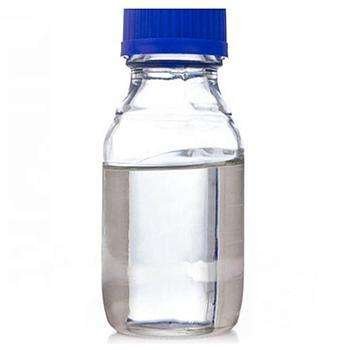
Chemical Name: STODDARD SOLVENT
CAS No.: 64742-88-7
Appearance: Colorless or Light Yellow Liquid

Calcium carbonate, with the chemical formula CaCO3, is an inorganic compound found in nature as calcite, aragonite, and vaterite. It is a white solid that is insoluble in water but soluble in acid. Widely used as a filler and coating pigment in paper and plastics, calcium carbonate also serves as a primary ingredient in the production of cement and lime. Known for its high purity and chemical stability, it is utilized in pharmaceuticals, food additives, and as a dietary calcium supplement. Its versatility makes it an essential component in various industrial applications.
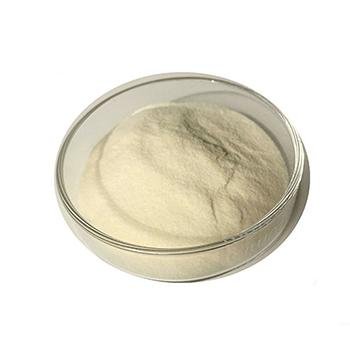
Chemical Name: Quercetin-3-O-sophoroside
CAS No.: 18609-17-1
Molecular Formula: C27H30O17
Molecular Weight: 626.52

Chemical Name: Arabic gum
CAS No.: 9000-01-5
Appearance: powder

Chemical Name: UV-120
Other Name: (2’,4’-Di-tert-butylphenyl 3,5-di-tert-butyl-4-hydroxybenzoate)
CAS No.: 4221-80-1
Molecular Fomula: C29H42O3
Molecular weight: 438.66
Assay: ≥99%(LC)
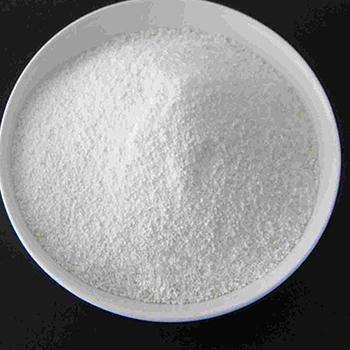
Chemical Name: Dehydrocholic acid
Synonyms: Acide dehydrocholique; Triketocholanic acid
CAS No.: 81-23-2
Molecular Formula: C24H34O5
Molecular Weight: 402.53
Appearance: Powder

Chemical Name: Ashwagandha Extract
Synonyms: Withania somnifera, ext.; Withania Somnefera Extract
CAS: 90147-43-6
Appearance: Brown

Chemical Name: o-Xylene
Synonyms: 1,2-Dimethylbenzene; ortho-xylene
CAS No.: 95-47-6
Molecular Formula: C8H10
Molecular Weight: 106.17

Carbon black, also known as carbon dark, is a kind of unformed carbon. It??s a light, loose and extremely fine black greasepaint with a veritably large face area ranging from 10 to 3000m2/g. It??s an deficient combustion of carbonaceous substances( coal, natural gas, heavy oil painting, energy oil painting,etc.) under conditions of inadequate air. Or products deduced from thermal corruption. Those made from natural gas are called?? gas dark??, those made from oil painting are called?? beacon black??, and those made from acetylene are called?? acetylene black??. In addition, there are?? trough black?? and?? furnace black??.

Common English name: 5-iodo-2,3-dihydropyridazin-3-one
CAS No.: 825633-94-1
Molecular formula: C4H3IN2O
Molecular weight: 221.98
Sample: Available




Reviews
There are no reviews yet.