
Description
Sodium Glycolate Quick Details
Chemical Name: Sodium Glycolate
CAS No.: 2836-32-0
Molecular Fomula: C2H3NaO3
Chemical Structure:
EINECS: 220-624-9
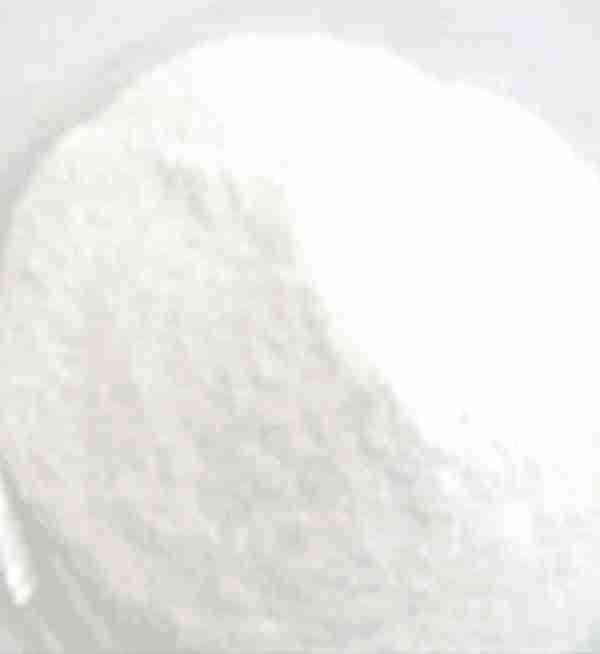
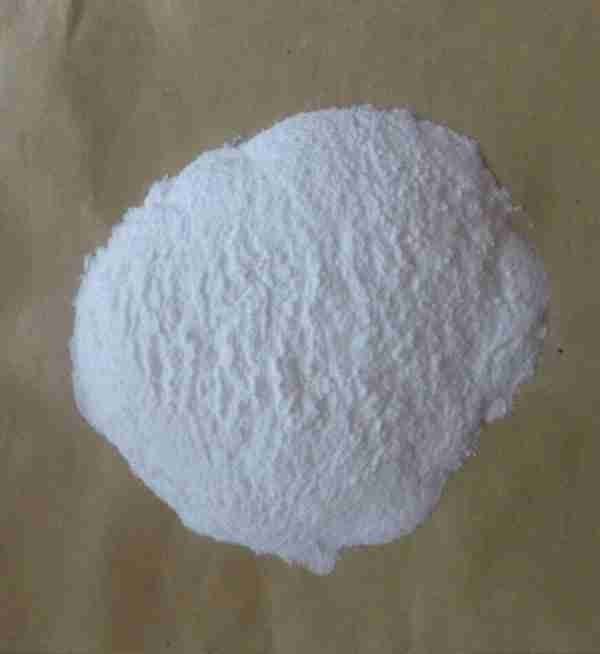
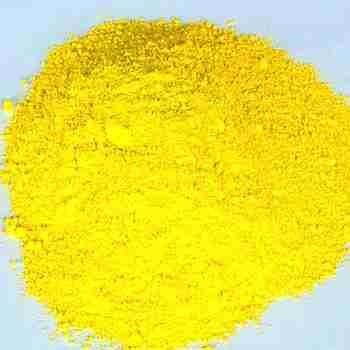
Appearance: White Crystal
Sodium GlycolateTypical Properties
Item
Specifications
Appearance
WhiteCrystal
Content
??97%
Use of Sodium Glycolate
1.Organic synthesis intermediate??
2.Cosmetic and personal care products;
3.Electroplating??as non-electrode plating buffer, as electroplating solution additives, also can use in electrolytic grinding, metal pickling, leather dyeing and tanning as the best green chemical raw materials.
4.Sodium Glycolate is the salt of Glycolic Acid, and is used in cosmetics and personal care products primarily as an exfoliant or buffering agent, but also seen as pH adjusters and skin-conditioning agents. It is considered an AHA, or an alpha hydroxy acid, a type of ingredient used to diminish the lines on the skin by acting as a humectant, or absorbing ??moisture in air and by exfoliating action to break the bonds between dead skin cells?? (research).
Sodium Glycolate is sometimes considered a milder alternative to Glycolic Acid, a controversial ingredient. Sodium Glycolate is CIR approved for use in concentrations below 10% and when used in conjunction with a sunscreen product to protect the skin from increased UV radiation.
Sodium glycolate is used as a pharmaceutical grade dissolution excipient for tablets and capsules. Sodium glycolate absorbs water rapidly, resulting in swelling which leads to rapid disintegration of tablets and granules. It is used as a disintegrant, a suspending agent and as a gelling agent. Without a disintegrant, tablets may not dissolve appropriately and may affect the amount of active ingredient absorbed, thereby decreasing effectiveness.
Sodium GlycolatePackaging and Shipping
Fiber Can, 25kg
Carton, 25 kg
Sodium GlycolateStorage
Stored in a cool, dry and ventilated place, avoid direct sunlight and moisture, keep container tightly closed to prevent leakage.
Related Products

Benzothiazoles are a class of chemical compounds characterized by a fused benzene and thiazole ring. They exhibit a broad spectrum of applications, particularly as antioxidants in rubber and plastic industries, enhancing product longevity and performance. Additionally, benzothiazoles serve as key intermediates in the synthesis of pharmaceuticals, contributing to the development of life-saving drugs. Recognized for their stability and reactivity, these compounds are integral to advancing material science and healthcare solutions.

Chemical Name: Potassium Castorate
CAS No.: 8013-05-6
Molecular Formula: C57H107K3O12
Molecular Weight: 1101.74718
Appearance: Yellow Liquid
Tetraacetylethylenediamine is a fully acetylated derivative of ethylenediamine, offering a high reactivity as an intermediate in organic synthesis. Its unique structure makes it a critical component in the production of specialty chemicals and pharmaceuticals, ensuring a wide range of applications in the chemical industry.

Ethylhexyl Palmitate is a skin-conditioning ester, derived from ethylhexanol and palmitic acid, that imparts moisturization and a smooth texture to cosmetic and personal care formulations. It is valued for its emollient properties, enhancing the sensory experience of skin care products.
Chemical Name: o-Xylene
Synonyms: 1,2-Dimethylbenzene; ortho-xylene
CAS No.: 95-47-6
Molecular Formula: C8H10
Molecular Weight: 106.17

N,N-Dimethylaniline is an organic compound with amine and methyl groups attached to a benzene ring. It is a colorless liquid with a characteristic amine odor. This compound is primarily used as a chemical intermediate in the synthesis of dyes, pigments, and polymers. Its reactivity makes it a valuable building block in the production of various organic compounds, particularly in the pharmaceutical and chemical industries.
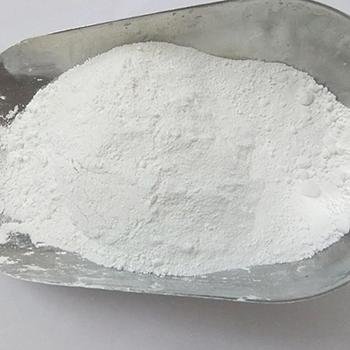
Product name:Cyclopentane
Purity:96%
Appearance:White powder
Package:25kg/bag
Sample:Available

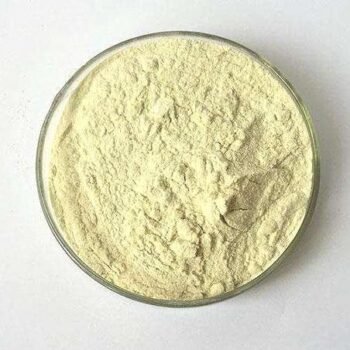
Product name:HYDROXYPROPYL GUAR HYDROXYPROPYLTRIMONIUM CHLORIDE
Purity:99%
Appearance:Light Yellow Powder
Package:Customized according to customer needs.
Sample:Available

Chemical Name: Choline salicylate
CAS No.: 2016-36-6
Molecular Formula: C12H19NO4
Molecular Weight: 241.28
Appearance: Red-Brown Crystal
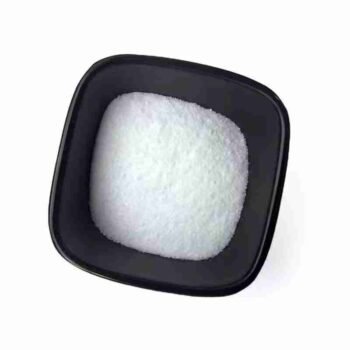
POLY(VINYL CHLORIDE-CO-ISOBUTYL VINYL ETHER) is a copolymer that combines the properties of vinyl chloride and isobutyl vinyl ether. This polymer offers a balance of rigidity and flexibility, along with enhanced chemical resistance and durability. It is commonly used in the production of films, coatings, and adhesives due to its excellent barrier properties against gases and moisture, making it ideal for packaging and construction applications.
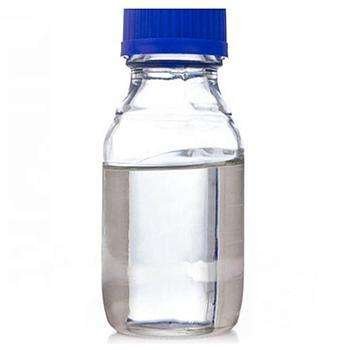
Chemical Name: STODDARD SOLVENT
CAS No.: 64742-88-7
Appearance: Colorless or Light Yellow Liquid

Polyhexamethylene guanidine hydrochloride, often abbreviated as PHMG-HCl, is a high molecular weight polymeric biguanide compound known for its potent antimicrobial properties. With a chemical structure that features a long chain of methylene groups bridged by guanidine units, PHMG-HCl is effective against a broad spectrum of microorganisms, including bacteria, viruses, and fungi.
This hydrochloride salt form of PHMG is highly soluble in water and is commonly used in various applications due to its non-irritant and non-toxic nature to human skin and mucous membranes. It is widely recognized for its ability to form a colorless and odorless solution, making it an ideal choice for use in personal care products, medical disinfectants, and water treatment processes.
The versatility of PHMG-HCl lies in its cationic nature, which allows it to bind to negatively charged microbial cell walls, disrupting their integrity and leading to cell death. This mechanism of action contributes to its effectiveness as a preservative and disinfectant. Moreover, its substantivity, or the ability to adhere to surfaces, enhances its long-lasting antimicrobial activity.
In summary, Polyhexamethylene guanidine hydrochloride is a reliable and efficient antimicrobial agent, pivotal in industries where hygiene and cleanliness are paramount, offering a safe and sustainable solution for microbial control.




Reviews
There are no reviews yet.