
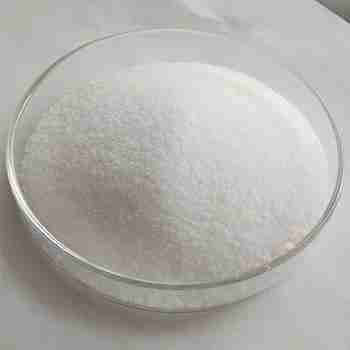
Sodium Erythorbate CAS 6381-77-7
Standard of FCCVII E316
Appearance: White crystalline powder
Assay: 98.0%-100.5%
Packing: 25KG/carton
Capacity: 10000Ton/Year
Sample: Available
related documents:
TDS of Sodium erythorbate
COA of Sodium erythorbate
Request for product documents
Description
Sodium Erythorbate Quick?Details
Chemical Name: Sodium Erythorbate
Other Name: sodium isoascorbate; D-Sodium isoascorbiate; Isoascorbic acid sodium; D-Isoascorbic acid Na; D-Isoascorbic acid Na salt; sodium d-araboascorbate; Araboascorbic acid monosodium salt; Isoascorbate C sodium; sodium erythorbatr
CAS: 6381-77-7
Molecular?Formula: C6H7NaO6
Molecular Weight: 198.11
Molecular Structure:
Appearance: White crystalline powder
Sodium Erythorbate Typical Properties
Item
Specifications
Assay
98.0%-100.5%
Description
White crystalline powder
Identification
Positive
Specific Rotation(at 25??)
+95.5?㡫 +98??
pH(10%)
5.5-8.0
Loss on drying
??0.25%
Lead
??2ppm
Heavy metals(as Pb)
??10ppm
Arsenic
??3ppm
Mercury
??1ppm
Sodium
Passes test
?
Ascorbic Acid/Colour reaction
Freely soluble in water,very slightly
soluble in ethanol
Solubility
Passes test
Oxalate
Passes test
Sodium Erythorbate Usage
Used as food antioxidants, anti-corrosion color additives?and cosmetic antioxidants. It can consume oxygen in cosmetics, reduce high-valent metal ions, transfer the redox potential to the reduction range, and reduce the generation of undesirable oxidation products. It can also be used as anticorrosive color additive.
Sodium Erythorbate Packaging and Shipping?
25KG/ carton.
Sodium Erythorbate Storage
keep low-temperature drying and avoid sunlight.
Related Products
Chemical Name: Polyglycerol Fatty Acid Ester
Synonyms: Decaglyceryl Dipalmitate
CAS No.: 67784-82-1
Molecular Fomula: C3H8O3
Molecular weight:432.642
Appearance:?White to yellow powder, solid, mucus
Assay: 99.9%
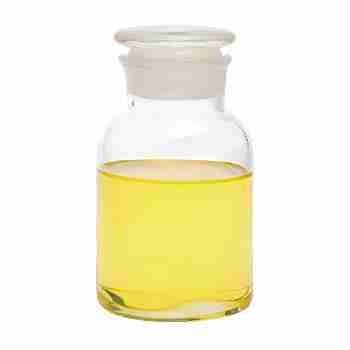
Chemical Name: Sunflower oil
Synonyms: Organic Sunflower Oil; Helianthus annuus oil
CAS No.: 8001-21-6
Appearance:?Yellow Liquid
Assay: ??99.0%
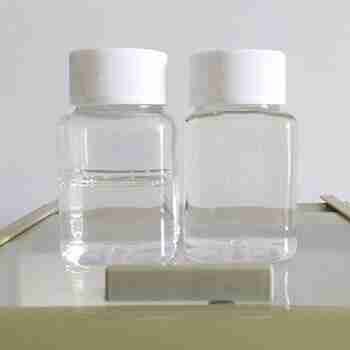
Chemical Name: Polyglycerol-10 decanoate
CAS No.: 145268-65-1
Appearance:?Colorless to light yellow viscous liquid
Assay: 98%
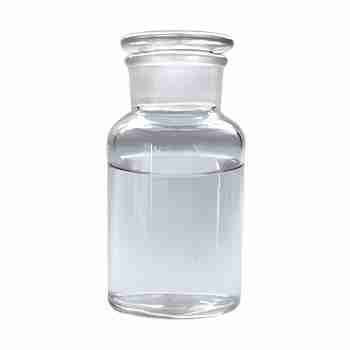
Chemical Name: D-PANTOTHENIC ACID
CAS No.: 79-83-4
Molecular Formula: C9H17NO5
Molecular Weight: 219.24
Appearance: Colorless or Light Yellow Oily Liquid
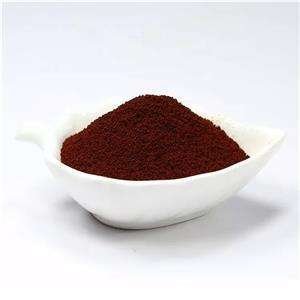
Chemical Name: Choline salicylate
CAS No.: 2016-36-6
Molecular Formula: C12H19NO4
Molecular Weight: 241.28
Appearance: Red-Brown Crystal
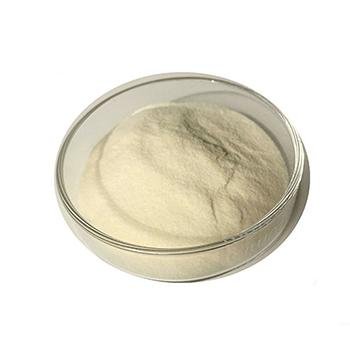
Chemical Name: Quercetin-3-O-sophoroside
CAS No.: 18609-17-1
Molecular Formula: C27H30O17
Molecular Weight: 626.52

Chemical Name: Zinc citrate
Synonyms: Zinc citrate trihydrate
CAS No.: 546-46-3
Molecular Formula: C6H8O7Zn
Molecular Weight: 257.5
Appearance: White powder
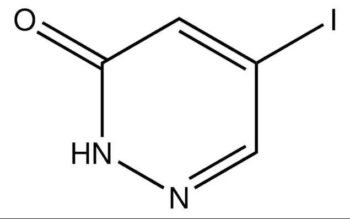
Common English name: 5-iodo-2,3-dihydropyridazin-3-one
CAS No.: 825633-94-1
Molecular formula: C4H3IN2O
Molecular weight: 221.98
Sample: Available
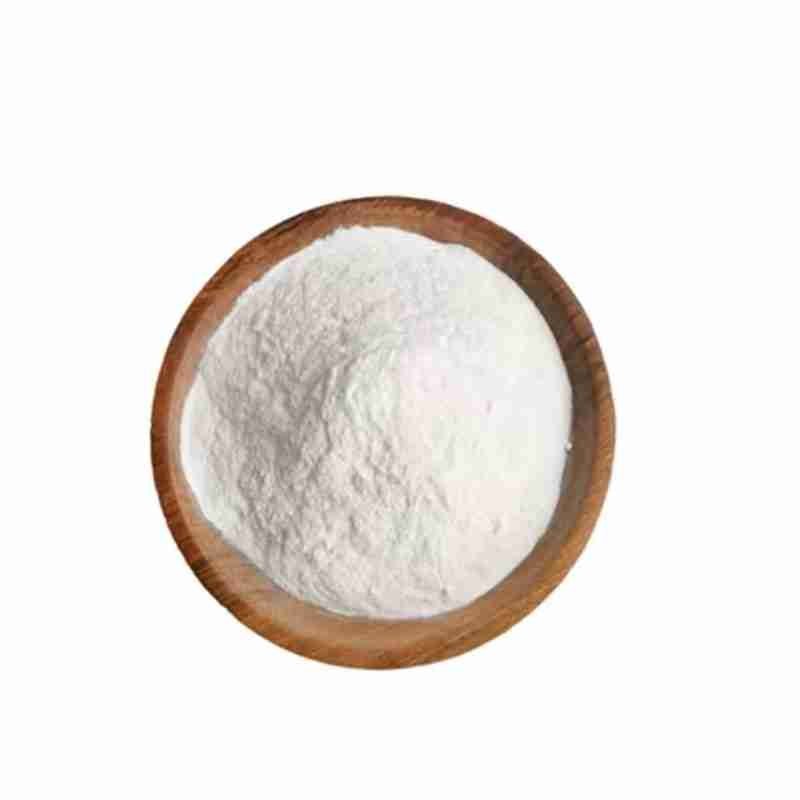
Microcrystalline cellulose is a purified, partially depolymerized cellulose that occurs as a white, odorless, tasteless, crystalline powder composed of porous particles. It is commercially available in different particle sizes and moisture grades that have different properties and applications.
Microcrystalline cellulose and carboxymethylcellulose sodium occurs as a white or off-white odorless and tasteless hygroscopic powder containing 5?C22% sodium carboxymethylcellulose. It is a water-dispersible organic hydrocolloid.

Monostearin is a versatile emulsifier and emollient derived from glycerol and stearic acid. It is instrumental in stabilizing emulsions and enhancing the texture and consistency of a wide range of products in the cosmetics, food, and pharmaceutical sectors.

Chemical Name: 1,1,2,2-Tetrachloroethane
Other Name: Tetrachlorethane
CAS No.: 79-34-5
Molecular Formula: C2H2Cl4
Molecular Weight: 167.85
Appearance: Liquid
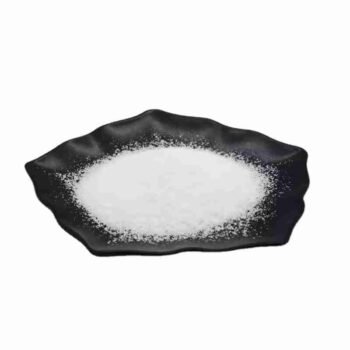
Citric acid is a white, crystalline, weak organic acid present in most plants and many animals as an intermediate in cellular respiration. Citric acid contains three carboxyl groups making it a carboxylic, more specifically a tricarboxylic, acid.the name citrus originates from the Greek kedromelon meaning apple of melon for the fruit citron. Greek works mention kitron, kitrion, or kitreos for citron fruit, which is an oblong fruit several inches long from the scrublike tree Citrus medica. Lemons and limes have high citric acid content, which may account for up to 8% of the fruit’s dry weight.



Reviews
There are no reviews yet.