


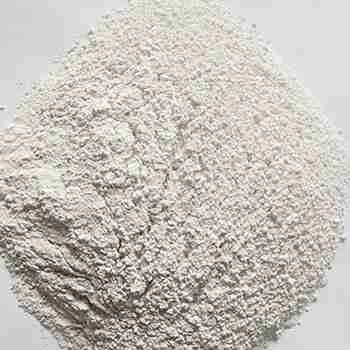
Description
Sodium D-pantothenate Quick Details
Chemical Name: Sodium D-pantothenate
CAS No.: 867-81-2
Molecular Fomula: C9H16NNaO5
Chemical Structure:
Molecular weight:?241.22
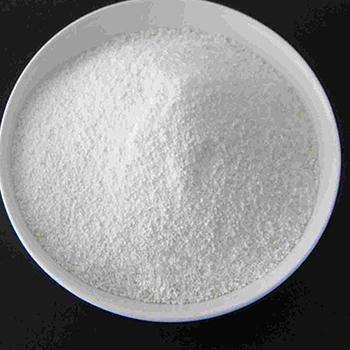
Appearance:?White to off-white powder
Assay: ??99.0%
Typical Properties
ITEMS
SPECIFICATION
Assay
99.0%min
Water
1.0%max
Melting point
171-178???
Boiling Point
551.5?? at 760 mmHg
Flash point
287.3??
?
Sodium D-pantothenate Application:
Used as an intermediate in organic synthesis
Packaging and Shipping?
25kg/drum
Sodium D-pantothenate Storage
Placed in tight container, a cool, dry, well-ventilated area and avoiding light.
Related Products
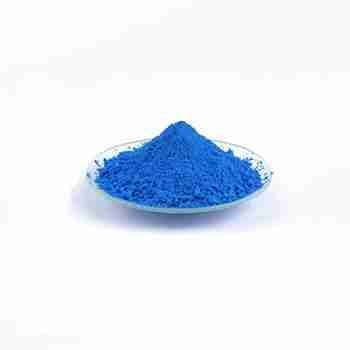
Chemical Name: COPPER (II) GLUCONATE, MIN. 98
CAS No.: 13005-35-1
Molecular Fomula: C12H22CuO14
Molecular weight: 453.84068
Chemical Name: 3-Hydroxybutyric acid
CAS No.: 625-71-8
Molecular Formula: C4H8O3
Molecular Weight: 104.1
Appearance: White powder
Chemical Name: Disodium Hydrogen Citrate Sesquihydrate
Cas No.: 6132-05-4
Appearance:?White Powder
Assay??99%
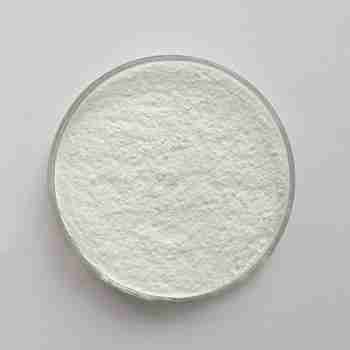
Chemical Name: Zinc citrate
Synonyms: Zinc citrate trihydrate
CAS No.: 546-46-3
Molecular Formula: C6H8O7Zn
Molecular Weight: 257.5
Appearance: White powder
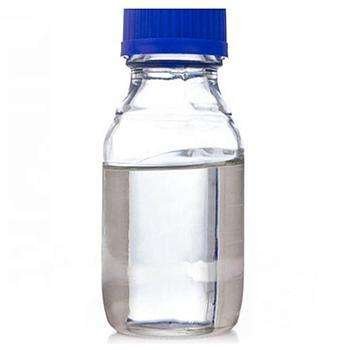
Chemical Name: STODDARD SOLVENT
CAS No.: 64742-88-7
Appearance: Colorless or Light Yellow Liquid
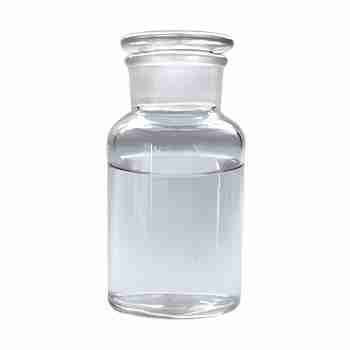
Chemical Name: D-PANTOTHENIC ACID
CAS No.: 79-83-4
Molecular Formula: C9H17NO5
Molecular Weight: 219.24
Appearance: Colorless or Light Yellow Oily Liquid
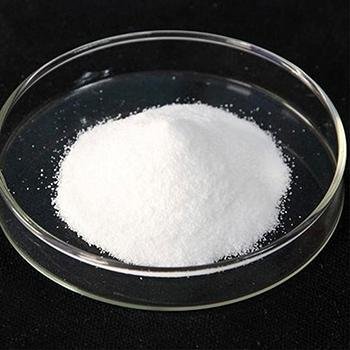
Chemical Name: UV-120
Other Name: (2’,4’-Di-tert-butylphenyl 3,5-di-tert-butyl-4-hydroxybenzoate)
CAS No.: 4221-80-1
Molecular Fomula: C29H42O3
Molecular weight: 438.66
Assay: ≥99%(LC)
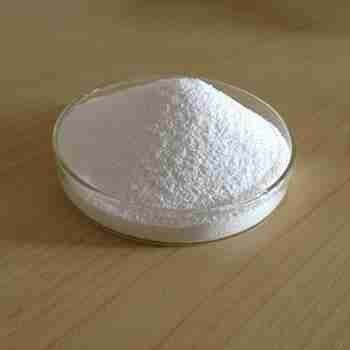
Chemical Name: Hydroxypropyl starch
Synonyms: Starch 2-hydroxypropyl ether; Hydroxypropyl starch ether; 2-Hydroxypropyl starch
Cas No.: 9049-76-7
Molecular Fomula: C24H42O21
Molecular Weight: 666.57768
Appearance:?White Powder
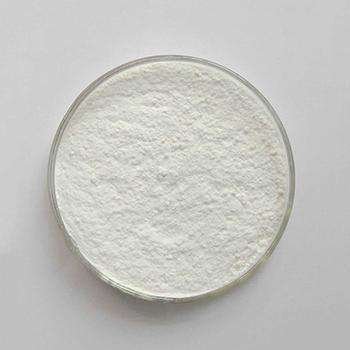
Chemical Name: Zinc citrate
Synonyms: Zinc citrate trihydrate
CAS No.: 546-46-3
Molecular Formula: C6H8O7Zn
Molecular Weight: 257.5
Appearance: White powder
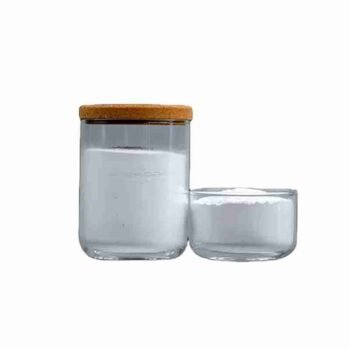
Hydrogenated lecithin is light yellow or milky white powder. Due to the use of catalysis and hydrogenation processes, the unsaturated chains of unsaturated fatty acids in the molecular structure of soybean lecithin disappear, thereby greatly improving the chemical stability, dispersibility, and emulsification of lecithin. It has decolorization and deodorization effects, which is more conducive to storage and preservation, and improves its role in medicine, high-end cosmetics, and light industry. It is especially suitable for intravenous fat emulsifiers and nutrients. It is used as a blood lipid emulsifier to prevent arteriosclerosis, and has the advantages of being easy to digest, easy to absorb, and almost not remaining in the internal organs.
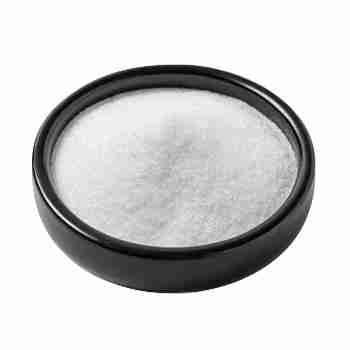
Chemical Name: LACTITOL
CAS No.: 585-86-4
Molecular Fomula: C12H24O11
Molecular weight:?344.31
Appearance:?White crystalline powder
Assay: 98.0%-101.0%
Chemical Name: Dehydrocholic acid
Synonyms: Acide dehydrocholique; Triketocholanic acid
CAS No.: 81-23-2
Molecular Formula: C24H34O5
Molecular Weight: 402.53
Appearance: Powder



Reviews
There are no reviews yet.