
Description
Rosehipoil?Quick Details
Chemical Name:?Rosehipoil
Other Name: Rose Hip Oil; Rose Bran Oil; Rose Hips Seed Oil
CAS No.:?84603-93-0
Molecular Fomula: /
Molecular weight:?/
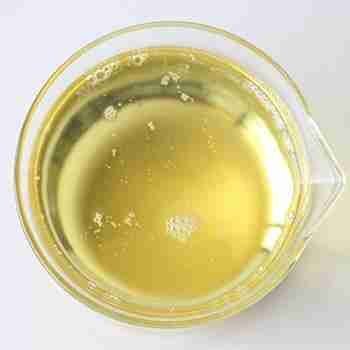
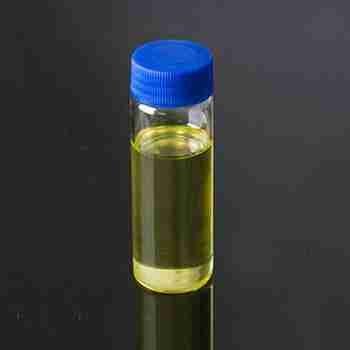
Appearance:?Light yellow liquid
Assay????99.0%
Rosehipoil Typical Properties
ITEMS
SPECIFICATION
Purity
99%
Appearance
Light yellow liquid
Refractive index (20??C)
1.475??1.488
Relative density (20??C)
0.915??0.9315
peroxide value
??3
iodine value
145?? 180
acid value
??1
saponification value
185-205
Rosehipoil Application:
Daily use effects include deep moisturizing skin, provide nutrients, make the skin soft, tender, moist, prevent UV damage to the skin, whitening the skin; increase the vitality of the skin tissue, keep the skin elasticity, shrinking the rough pores, can make the dry cracked skin to restore its natural luster;
Rosehipoil Packaging and Shipping
200kg/drum or customized according to customer needs.
Rosehipoil Storage
The warehouse should be low temperature, ventilated, dry, fireproof, and stored separately from oxidants.
Related Products
Chemical Name: Choline salicylate
CAS No.: 2016-36-6
Molecular Formula: C12H19NO4
Molecular Weight: 241.28
Appearance: Red-Brown Crystal
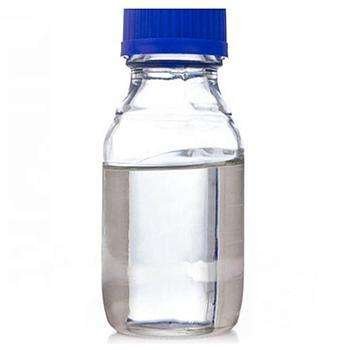
Chemical Name: STODDARD SOLVENT
CAS No.: 64742-88-7
Appearance: Colorless or Light Yellow Liquid
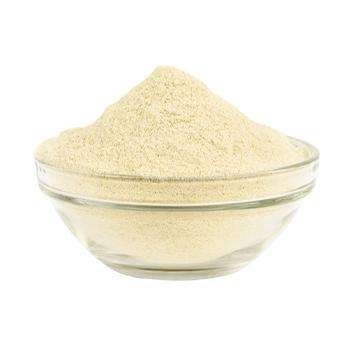
Chemical Name: Arabic gum
CAS No.: 9000-01-5
Appearance: powder
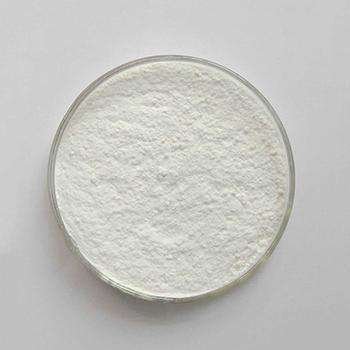
Chemical Name: Zinc citrate
Synonyms: Zinc citrate trihydrate
CAS No.: 546-46-3
Molecular Formula: C6H8O7Zn
Molecular Weight: 257.5
Appearance: White powder
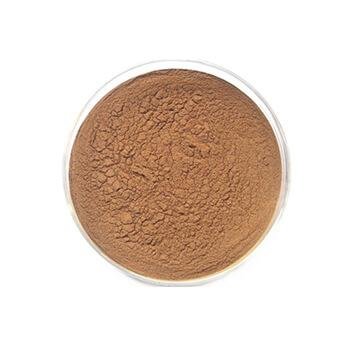
Chemical Name: Ashwagandha Extract
Synonyms: Withania somnifera, ext.; Withania Somnefera Extract
CAS: 90147-43-6
Appearance: Brown

Chemical Name:?Quassin
CAS No.: 76-78-8
Molecular Formula: C22H28O6
Molecular Weight: 388.45
Appearance: White Solid

Peony is the dried root of the perennial herbaceous plant Paeoniaceae in the Paeoniaceae family. It is bitter, sour and slightly cold. It returns to the liver and spleen meridians. It has the functions of calming the liver and relieving pain, nourishing blood and regulating menstruation, astringing yin and stopping sweating. It is used for headaches, dizziness, rib pain, abdominal pain, cramps and pain in limbs, blood deficiency and chlorosis, irregular menstruation, spontaneous perspiration, and night sweats.
Paeoniflorin is the main functional component of peony. It is an important physiologically active substance with anti-inflammatory effects, immune system effects, liver protection effects, analgesic effects, etc.
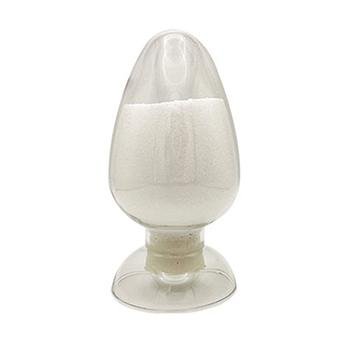
Chemical Name: Imazalil Sulfate
CAS No.: 58594-72-2
Molecular Formula: C14H14Cl2N2O.H2SO4
Molecular Weight: 395.26
Appearance: Solid

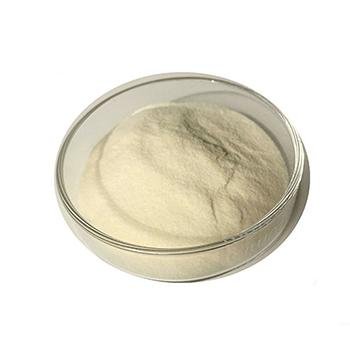
Chemical Name: Oxyresveratrol
Synonyms: trans-Oxyresveratrol
CAS No.: 29700-22-9
Molecular Fomula: C14H12O4
Molecular weight: 244.24
Appearance: White to light yellow powder
Assay: 98%
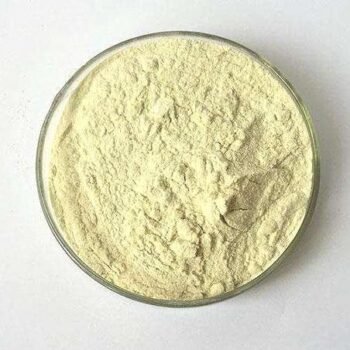
Chemical Name: Quercetin-3-O-sophoroside
CAS No.: 18609-17-1
Molecular Formula: C27H30O17
Molecular Weight: 626.52

Huperzine A is a natural plant extract. Compared with similar AD treatment drugs approved by the US FDA, Huperzine A has a unique chemical structure and has extremely high selectivity to inhibit acetylcholinesterase in the brain and enhance cholinergic in the brain. function of neurons. In addition, Huperzine A has obvious effects on improving memory and improving cognitive ability.
Huperzine A has a small relative molecular weight, high lipid solubility, and is easy to pass through the blood-brain barrier. After entering the central nervous system, it is mostly distributed in the frontal lobe, temporal lobe, hippocampus and other parts of the brain. Its pharmacological effects have multiple targets. In addition to inhibiting the activity of acetylcholinesterase, it can also antagonize oxidative stress and apoptosis induced by ??-amyloid peptide (A??), hydrogen peroxide and other neurotoxins, by activating the protein kinase C (PKC) signal transduction pathway. Activation of ??-secretase promotes the decomposition of ??-amyloid precursor protein (APP) in a non-amyloidogenic manner to produce sAPP??, reducing A??-mediated toxicity, while sAPP?? can effectively promote cell proliferation, axonal growth, and protect nerves. cell.
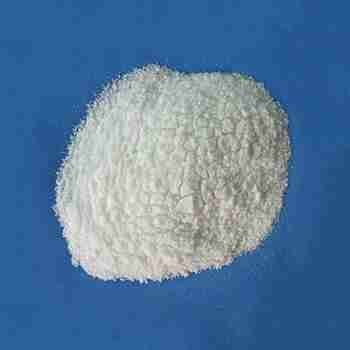
Chemical Name: o-Xylene
Synonyms: 1,2-Dimethylbenzene; ortho-xylene
CAS No.: 95-47-6
Molecular Formula: C8H10
Molecular Weight: 106.17



Reviews
There are no reviews yet.