

Raspberry ketone beta-D-glucoside?CAS 38963-94-9
Chemical Name: Raspberry ketone beta-D-glucoside
CAS No.: 38963-94-9
Molecular Fomula: C16H22O7
Molecular weight:?326.34
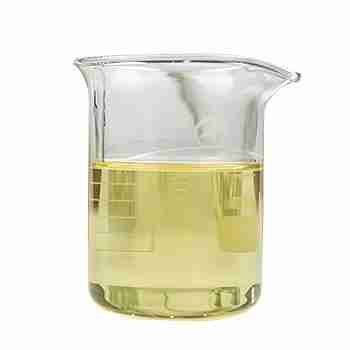
Appearance:?White to off-white solid
Assay: ??97%
Description
Raspberry ketone beta-D-glucoside?Quick Details
Chemical Name: Raspberry ketone beta-D-glucoside
CAS No.: 38963-94-9
Molecular Fomula: C16H22O7
Chemical Structure:
Molecular weight:?326.34
Appearance:?White to off-white solid
Assay: ??97%
Typical Properties
ITEMS
SPECIFICATION
Density
1.3??0.1 g/cm3
Boiling point
553.8??50.0 ??C
Melt point
113-115??C
Flash Point
?C
?
Raspberry ketone beta-D-glucoside application:
Raspberry ketone beta-D-glucoside?was used in?whitening, freckle removal, anti-aging and conditioning cosmetics
Packaging and Shipping?
customized according to customer needs.
Raspberry ketone beta-D-glucoside?Storage
It should be stored in a clean, dry, and cool place, preventing sunlight, and rain.
Related Products
Chemical Name: o-Xylene
Synonyms: 1,2-Dimethylbenzene; ortho-xylene
CAS No.: 95-47-6
Molecular Formula: C8H10
Molecular Weight: 106.17
Menthol, also known as hexahydrothymol, is commonly known as L-menthol, and its scientific name is 5-methyl-2-isopropyl-cyclohexanol. It is a very important cycloterpene alcohol. L-menthol has a characteristic mint aroma and has a cooling effect. Racemic ?C menthol also has a cooling effect, while other isomers have no cooling effect. L-menthol accounts for a large proportion of applications in medicine and health. It can be used as poultice, ointment, analgesic, local anesthetic, cooling agent, antipruritic agent, mouthwash, bactericide, and for the treatment of toothache, Tablets for stomach pain, neuralgia, etc.; the second largest use is spices. L-menthol is a spice in demand among cyclic monoterpene alcohols. It can be used as tobacco spices, used with peppermint oil to prepare toothpaste flavors, and other spices. Toilet water; menthol can also be used as a flavoring agent for a variety of foods, such as candies, chewing gum, cakes, fruit wine, refreshing drinks, etc.
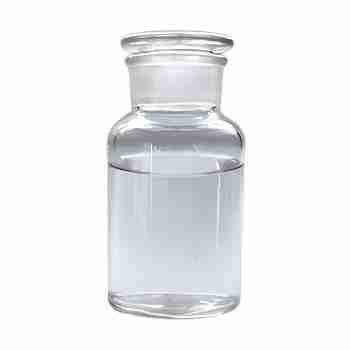
Chemical Name: PHENYL VALERATE
Synonyms: Phenyl pentanoate; Pentanoic acid phenyl ester
Cas No.: 20115-23-5
Molecular Fomula: C11H14O2
Molecular Weight: 178.23
Appearance:?Transparent Colorless Liquid

Chemical Name: 4-((2-Furylmethyl)thio)-4-methylpentan-2-one
Cas No.: 64835-96-7
Molecular Fomula: C11H16O2S
Molecular Weight: 212.31
Appearance: Colorless to light yellow liquid
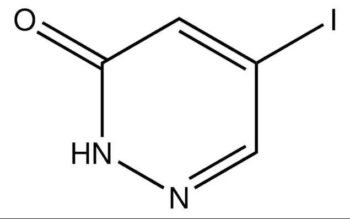
Common English name: 5-iodo-2,3-dihydropyridazin-3-one
CAS No.: 825633-94-1
Molecular formula: C4H3IN2O
Molecular weight: 221.98
Sample: Available
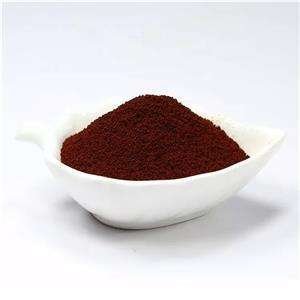
Chemical Name: Choline salicylate
CAS No.: 2016-36-6
Molecular Formula: C12H19NO4
Molecular Weight: 241.28
Appearance: Red-Brown Crystal
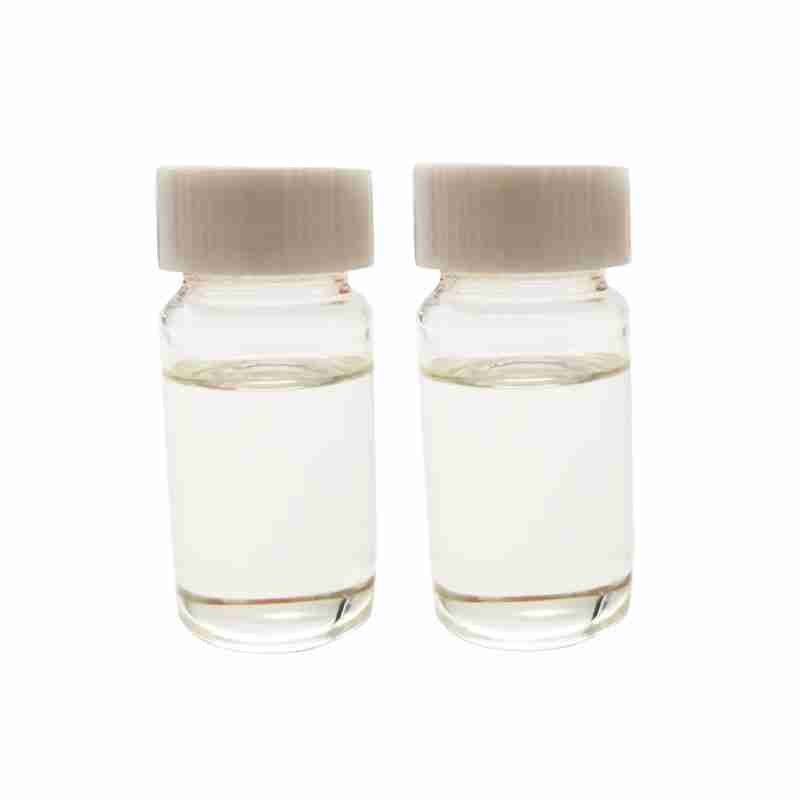
Cis ?C 3-Methyl-4-octanolide, also known as cis- ??- methyl- ??- Octalactone or 5-butyldihydro-4-methylfuran-2 (3 H) ?C one, a compound of lactone family, chemical formula C9H16O2. It exists as two optical isomers: 3 R, 4 R (??+??) and 3 S, 4 S (??-??).
3S, 4S isomers, commonly known as whisky lactone or oak lactone, are important components in the aroma of whisky (first discovered by Suomalainen and Nyk ? nen in 1970) and other alcoholic beverages aged in oak barrels. It is sometimes added to wine as a flavoring. It has the aroma of coconut, celery or fresh wood, and can be detected by human body when the concentration in the air is 1 microgram/l. The mixture of cis and trans isomers can repel mosquitoes and flies.
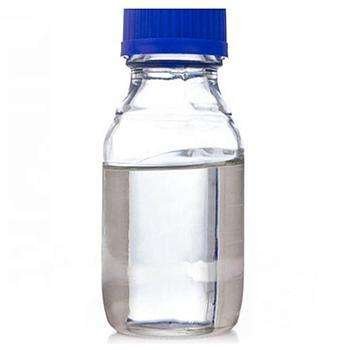
Chemical Name: STODDARD SOLVENT
CAS No.: 64742-88-7
Appearance: Colorless or Light Yellow Liquid
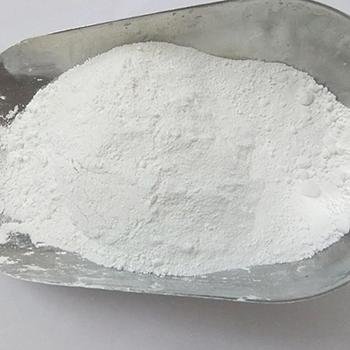
Product name:Cyclopentane
Purity:96%
Appearance:White powder
Package:25kg/bag
Sample:Available
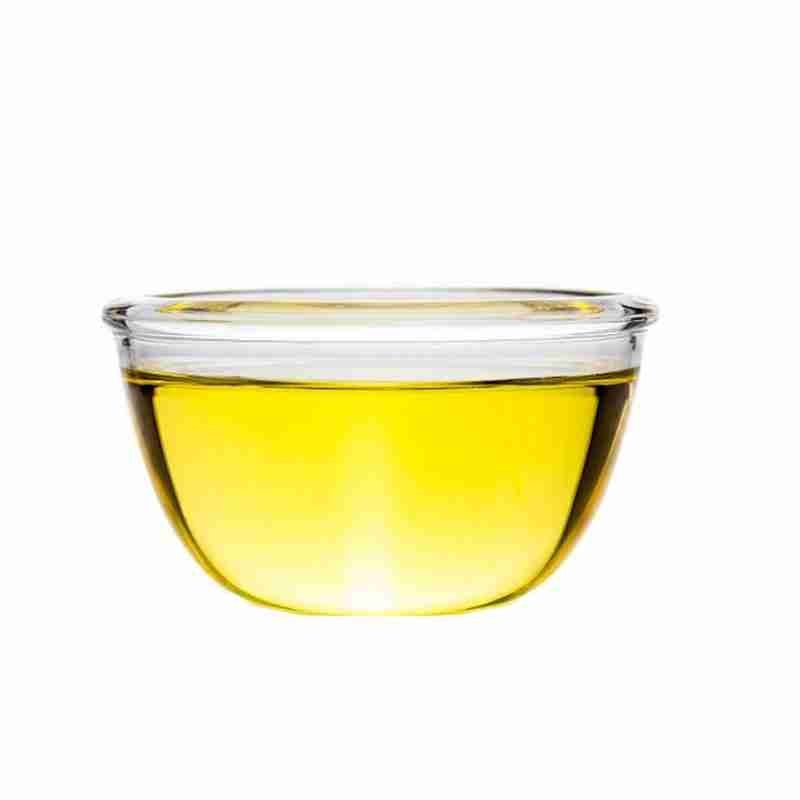
Pogostemon cablin (Blanco) Benth Made from dried leaves. It is a viscous liquid ranging from reddish brown to greenish brown, with a unique, slightly camphor like woody fragrance.The patchouli shrub is mainly planted in Indonesia. It grows up to 1 meter, but when harvested, it will be cut to 10-15 centimeters. It is best to extract oil from sun dried leaves, with a yield of about 2%.The three terpenoids found in patchouli oil, namely caryophyllene, patchouli alcohol or patchouli alcohol, and nopachenol, are the typical sources of patchouli fragrance. Thin layer chromatography and high performance liquid chromatography are used to identify potential chemical markers for evaluating the quality of the Chinese herbal medicine ingredient ??patchouli herb?? (aboveground part of patchouli). In addition to the reported patchouli alcohol and 2-hydroxy-6-methyl-3- (4-methylpentanoyl) -4-pyranone, three phenylethane compounds (acteoside, isoacteoside, and crenatoside) were also isolated from this plant material for the first time.
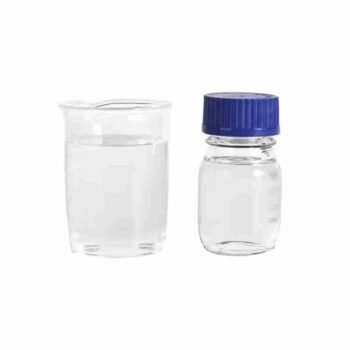
Light aromatic solvent oil is a mixture of various aromatic compounds, which may contain some dangerous ingredients. For example, a certain varnish base mentioned in a document contains 3-5% light aromatic solvent naphtha (petroleum), as well as benzoic acid, 1,2,4-trimethylbenzene, 4-methyl-2-pentanone, butyl acetate, ethyl 3-ethoxypropionate, bis(1,2,2,6,6-pentylmethyl-4-piperidinyl) sebacate, methyl-1,2,2,6,6-pentamethyl-4-piperidinyl sebacate, 3-(2H-benzotriazol-2-yl)-5-(1,1-dimethylethyl)-4-hydroxy-phenylpropionic acid-C7-9 (branched and linear) alkyl esters and other ingredients.
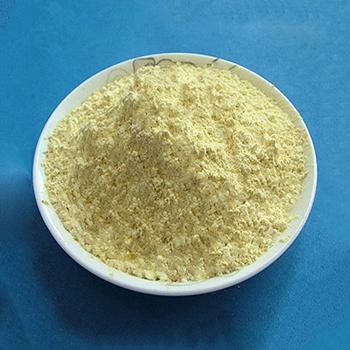
Product name:HYDROXYPROPYL GUAR HYDROXYPROPYLTRIMONIUM CHLORIDE
Purity:99%
Appearance:Light Yellow Powder
Package:Customized according to customer needs.
Sample:Available



Reviews
There are no reviews yet.