
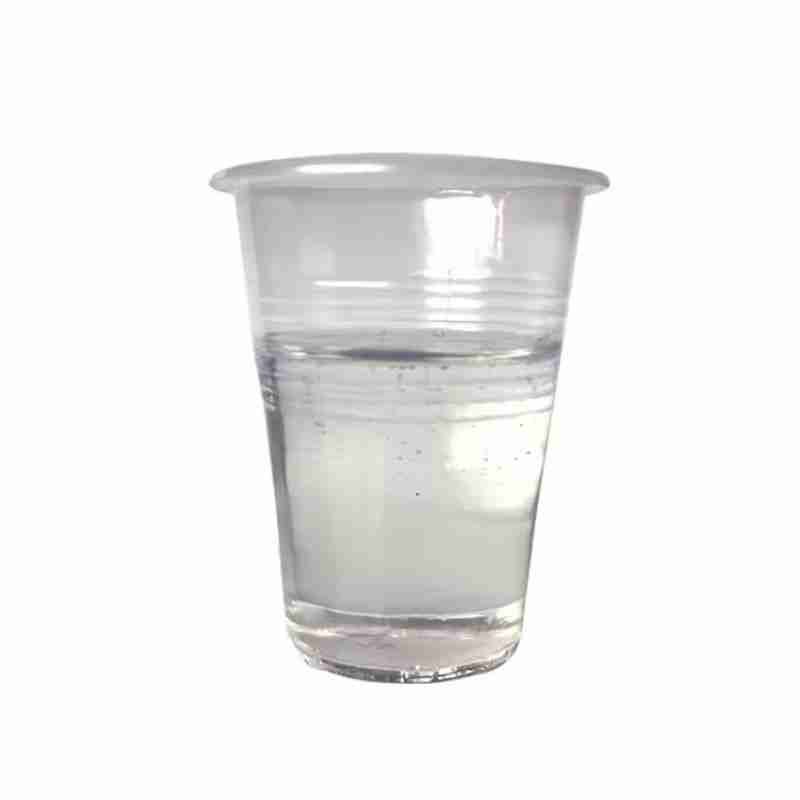
Propylene glycol CAS# 57-55-6
![2-(2-[4-(1,1,3,3-Tetramethylbutyl)phenoxy]ethoxy)ethanol CAS#9036-19-5](https://bgbchem.com/wp-content/uploads/2025/08/2-8-2.jpg)
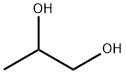
Propylene glycol is scientifically named as ??1,2-propanediol??, and has a chemical formula of CH3CHOHCH2OH and a molecular weight of 76.10. There is a chiral carbon atom in the molecule. Its racemate is a hygroscopic viscous liquid and is slightly spicy. It has a specific gravity of 1.036 (25/4 ??C), a freezing point of-59 ??C, and a boiling point of 188.2 ??C, respectively 83.2 ??C (1,333 Pa). It is miscible with water, acetone, ethyl acetate and chloroform, and is soluble in ether. It is soluble in many essential oils, but is not miscible with petroleum ether and paraffin oil. It is relatively stable to heat and light, and is more stable at low temperatures. Its L-isomer has a boiling point of 187 to 189 ??C and a specific optical rotation [??] of D20-15.0??. It can be oxidized at high temperatures to propionaldehyde, lactic acid, pyruvic acid and acetic acid.
Propylene glycol CAS# 57-55-6
| Propylene glycol Basic information |
| Physical and Chemical Properties?Medicinal property and application?Content analysis?Toxicity?Use limitation?Uses?Synthesis method?Acute toxicity?Irritation data?Extinguishing agent |
| Product Name: | Propylene glycol |
| Synonyms: | Sentry Propylene Glycol;Sirlene;Solar winter ban;Solargard P;solargardp;1,2-Propanediol,98+%;1,2-Propanediol,ACS,99.5%;1,2-Propanediol, 99+% |
| CAS: | 57-55-6 |
| MF: | C3H8O2 |
| MW: | 76.09 |
| EINECS: | 200-338-0 |
| Product Categories: | Medicine grade;INORGANIC & ORGANIC CHEMICALS;57-55-6 |
| Mol File: | 57-55-6.mol |
 |
|
| Propylene glycol Chemical Properties |
| Melting point | -60 ??C (lit.) |
| Boiling point | 187 ??C (lit.) |
| density | 1.036 g/mL at 25 ??C (lit.) |
| vapor density | 2.62 (vs air) |
| vapor pressure | 0.08 mm Hg ( 20 ??C) |
| refractive index | n20/D?1.432(lit.) |
| FEMA | 2940 | PROPYLENE GLYCOL |
| Fp | 225???F |
| storage temp. | Store at +5??C to +30??C. |
| solubility | Chloroform (Slightly), Ethyl Acetate (Slightly), Methanol (Slightly) |
| pka | 14.49??0.20(Predicted) |
| form | Viscous Liquid |
| Specific Gravity | 1.038 (20/20??)1.036??1.040 |
| color | APHA: ??10 |
| PH | 6-8 (100g/l, H2O, 20??) |
| Odor | at 100.00 %. odorless very slight alcoholic |
| Odor Type | odorless |
| explosive limit | 2.4-17.4%(V) |
| Water Solubility | miscible |
| Sensitive | Hygroscopic |
| JECFA Number | 925 |
| Merck | 14,7855 |
| BRN | 1340498 |
| Dielectric constant | 32.0 |
| InChIKey | DNIAPMSPPWPWGF-UHFFFAOYSA-N |
| LogP | -0.92 |
| CAS DataBase Reference | 57-55-6(CAS DataBase Reference) |
| NIST Chemistry Reference | Propylene glycol(57-55-6) |
| EPA Substance Registry System | Propylene glycol (57-55-6) |
| Safety Information |
| Safety Statements | 24/25 |
| WGK Germany | 1 |
| RTECS | TY2000000 |
| Autoignition Temperature | 779 ??F |
| TSCA | Yes |
| HS Code | 29053200 |
| Hazardous Substances Data | 57-55-6(Hazardous Substances Data) |
| Toxicity | LD50 orally in Rabbit: 19400 – 36000 mg/kg LD50 dermal Rabbit 20800 mg/kg |
Related Products
Product name:HYDROXYPROPYL GUAR HYDROXYPROPYLTRIMONIUM CHLORIDE
Purity:99%
Appearance:Light Yellow Powder
Package:Customized according to customer needs.
Sample:Available
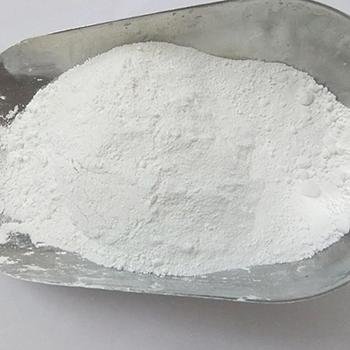
Product name:Cyclopentane
Purity:96%
Appearance:White powder
Package:25kg/bag
Sample:Available
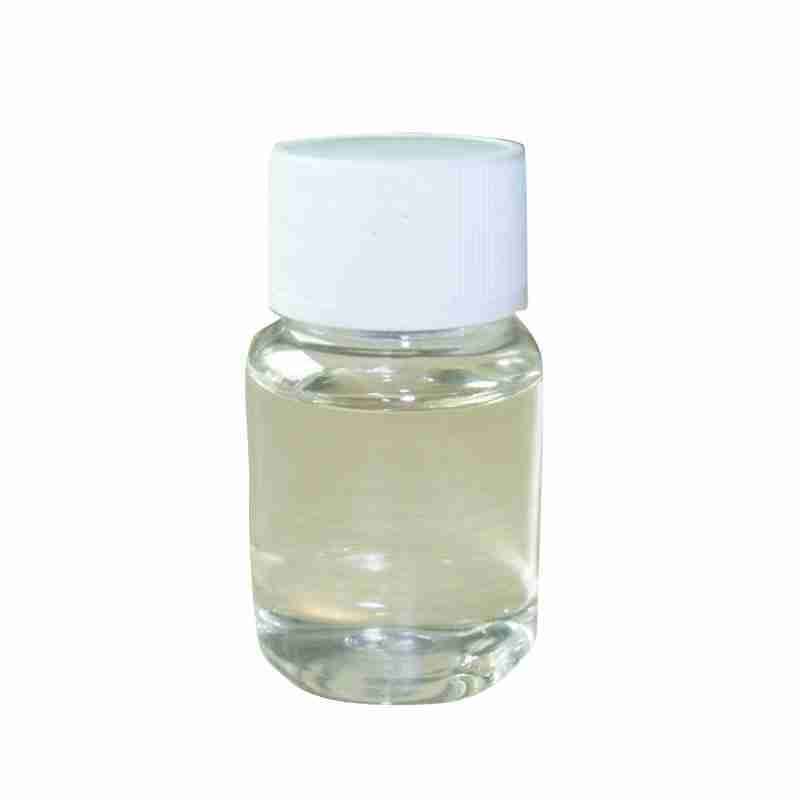
3,4-Ethylenedioxythiophene is a synthetic organic compound characterized by its unique structure that includes a thiophene ring with ethylenedioxy substituents at the 3 and 4 positions. This compound is known for its potential applications in the synthesis of various organic materials, including pharmaceuticals and organic electronic devices such as sensors and solar cells. Its stability and reactivity make it a versatile intermediate in the chemical industry.
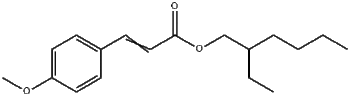
Octyl 4-methoxycinnamate, scientifically known as 2-Ethylhexyl 4-Methoxycinnamate, is a highly effective organic UV filter commonly used in the formulation of sunscreens and cosmetic products. This compound is renowned for its ability to absorb ultraviolet B (UVB) radiation, providing a reliable defense against the sun’s harmful effects on the skin.
Characterized by its chemical formula C19H28O3, Octyl 4-methoxycinnamate is a liquid ester that is readily soluble in organic solvents. It is valued for its photostability, which means it maintains its protective properties even after prolonged exposure to sunlight. This feature makes it an ideal ingredient for products designed to offer long-lasting sun protection.
In addition to its UVB absorption capabilities, Octyl 4-methoxycinnamate is also appreciated for its compatibility with other UV filters, allowing for the creation of broad-spectrum sunscreens. It contributes to the development of formulations that are non-greasy and cosmetically elegant, suitable for a variety of skin types.
As a key component in sun care products, Octyl 4-methoxycinnamate supports the skin’s health by preventing sunburn, reducing the risk of skin cancer, and delaying the signs of photoaging. Its safety profile and efficacy make it a preferred choice in the personal care and dermatological industries for sun protection solutions.
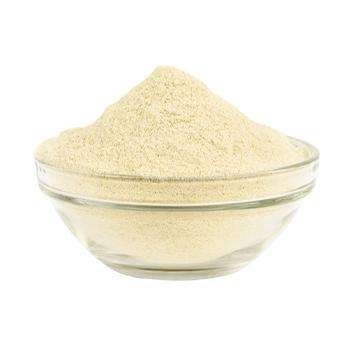
Chemical Name: Arabic gum
CAS No.: 9000-01-5
Appearance: powder

Common English name: 5-iodo-2,3-dihydropyridazin-3-one
CAS No.: 825633-94-1
Molecular formula: C4H3IN2O
Molecular weight: 221.98
Sample: Available
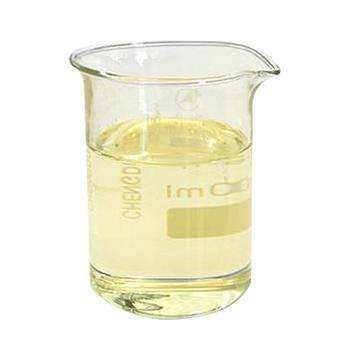
Chemical Name: Potassium Castorate
CAS No.: 8013-05-6
Molecular Formula: C57H107K3O12
Molecular Weight: 1101.74718
Appearance: Yellow Liquid
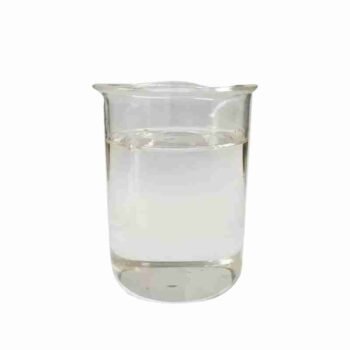
Silicones are a family of synthetic polymers known for their versatility and stability. They are heat-resistant, non-toxic, and have excellent electrical insulation properties. Commonly used in various industries such as construction, automotive, aerospace, and personal care products, silicones offer a wide range of applications from sealants and adhesives to lubricants and medical devices. Their resistance to extreme temperatures and weathering makes them a preferred choice for many high-performance applications.
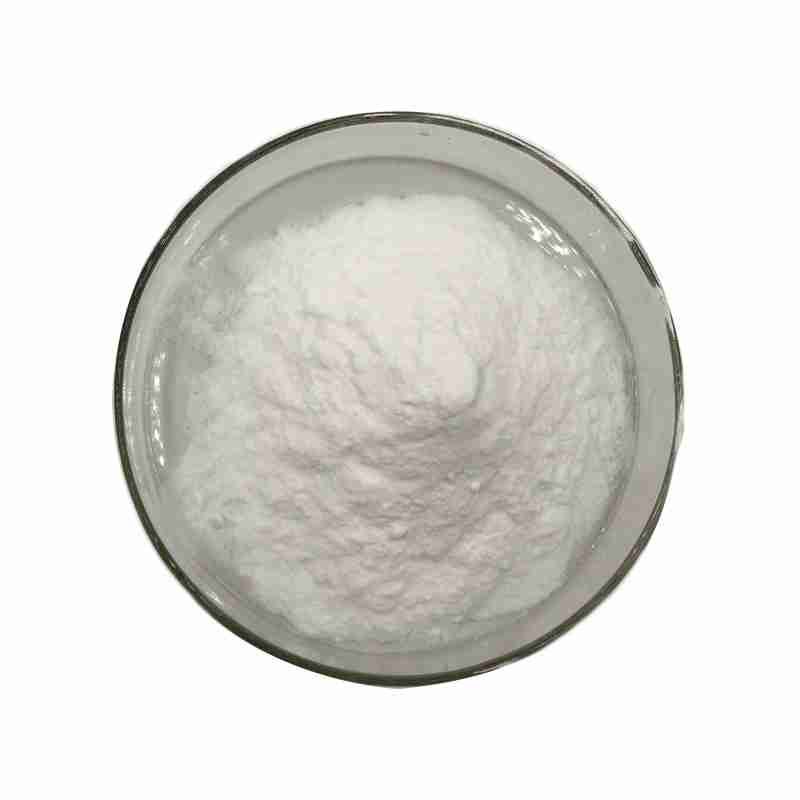
Succinimide is a heterocyclic organic compound and an important industrial chemical. It serves as a key intermediate in the synthesis of various pharmaceuticals, agrochemicals, and other specialty chemicals. Known for its reactivity and versatility, succinimide is widely used in the production of succinic anhydride, a precursor to many polymers and plasticizers, highlighting its significance in the chemical industry.
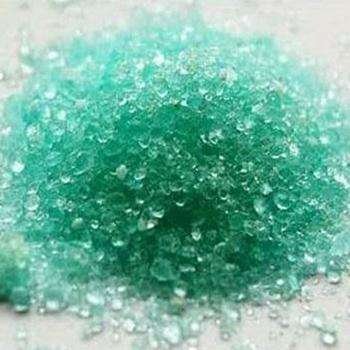
Chemical Name: Ammonium Iron(II) Sulfate
Synonyms: Diammonium iron bis(sulphate); iron (ii) ammonium sulfate
CAS No.: 10045-89-3
Molecular Formula: FeH5NO4S
Molecular Weight: 170.95
Chemical Name: 3-Hydroxybutyric acid
CAS No.: 625-71-8
Molecular Formula: C4H8O3
Molecular Weight: 104.1
Appearance: White powder

Chemical Name: 1,1,2,2-Tetrachloroethane
Other Name: Tetrachlorethane
CAS No.: 79-34-5
Molecular Formula: C2H2Cl4
Molecular Weight: 167.85
Appearance: Liquid


