
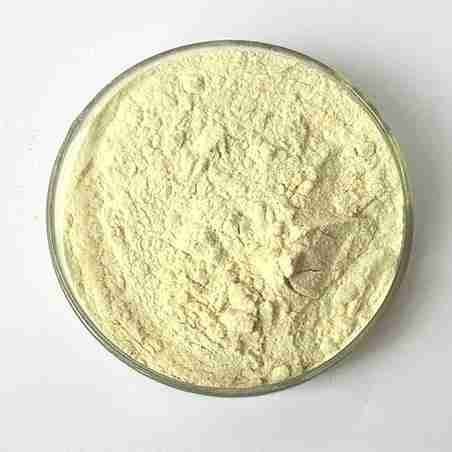

Description
Potassium carbonate Quick Details
Chemical Name: Potassium carbonate
Synonyms: Potassium carbonate anhydrous
CAS: 584-08-7
Molecular Fomula: K2CO3
Molecular Weight: 138.19
Appearance: Yellow Powder
Purity: 99%
Potassium carbonate Typical Properties
Melting point
891??C(lit.)
Boiling point
decomposes [STR93]
Density
2.43g/mLat25??C
Solubility H2O
1Mat20??C,clear,colorless
Acidity coefficient (pKa)
10.33[at20??]
Appearance
Yellow powder
PH
10.52 (1mM solution)
Potassium carbonate Usage
1. Potassium carbonate can be used to produce optical glass, which can improve the transparency, strength and refractive index of glass. 2. It is also used in the production of welding rods to prevent arc breaks during welding.3. Used in the production of vat dyes and the whitening of printing and dyeing and ice dyeing.4. Used as an adsorbent for removing hydrogen sulfide and carbon dioxide.5. Potassium carbonate mixed with soda ash can be used as dry powder fire extinguishing agent.6. It can also be used as an auxiliary raw material in the production of acetone and alcohol and as an anti-aging agent in rubber production.7. Potassium carbonate aqueous solution can be used for scouring of cotton cloth and degreasing of wool.8. It is also used in the production of ink, photographic medicine Chemicalbook, polyester, medicine, electroplating, tanning, ceramics, building materials, crystal, potassium soap and medicine.9. Heavy potassium carbonate is mainly used as the raw material of picture tube glass bulb, widely used in glass and special glass raw materials, and used for decarbonization of large chemical fertilizers.10. It can be used as leavening agent in food.11. As an alkaline agent and dough improver, and can inhibit noodles from souring, it can be used in flour-made foods, and it can be used in moderation according to production needs.12. Used in the processing of exposed photosensitive materials.13. Fluxes for analytical reagents, reference reagents, molten silicates and insoluble sulfates.
Potassium carbonate Package
25/kg drum
Related Products
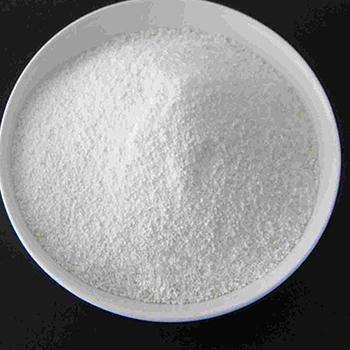
Chemical Name: Dehydrocholic acid
Synonyms: Acide dehydrocholique; Triketocholanic acid
CAS No.: 81-23-2
Molecular Formula: C24H34O5
Molecular Weight: 402.53
Appearance: Powder

Carbon is a fundamental element found in all organic life and a key component of many inorganic materials. It is known for its ability to form long chains and complex structures, which makes it the basis of various compounds, including diamond, graphite, and fullerenes. Carbon is used in a wide range of applications, from manufacturing steel and other alloys to being a key element in batteries and as a pigment in inks and paints.

Copper(II) sulfate, with the chemical formula CuSO4, is a blue crystalline compound that is soluble in water. It is commonly used in agriculture as a fungicide and in the textile industry as a dye fixative. Copper(II) sulfate is also utilized in the manufacture of pigments, batteries, and as an algaecide in water treatment. Its distinctive blue color and reactivity make it a versatile chemical in various industrial applications, including chemical analysis and electroplating.

Aluminum chlorohydrate is an inorganic compound often used as a coagulant in water treatment processes. It is also known for its astringent properties and is utilized in various personal care products, such as antiperspirants and deodorants, due to its ability to temporarily close sweat glands. It enhances the viscosity and stability of formulations, making it a valuable ingredient in cosmetics and pharmaceuticals.
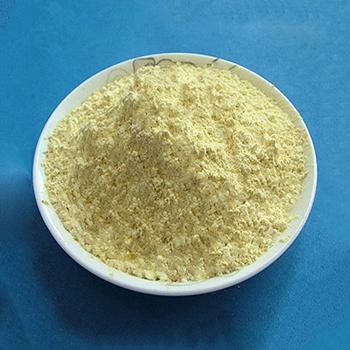
Product name:HYDROXYPROPYL GUAR HYDROXYPROPYLTRIMONIUM CHLORIDE
Purity:99%
Appearance:Light Yellow Powder
Package:Customized according to customer needs.
Sample:Available

Hexaammonium molybdate is a high-purity, water-soluble molybdenum compound with the chemical formula (NH4)6Mo7O24??4H2O. It is a crystalline solid that serves as a molybdenum source in various applications, including agriculture as a micronutrient fertilizer and in the industrial production of catalysts and pigments. Known for its stability and reactivity, it is used to enhance the properties of steel and other alloys, promoting their hardness and resistance to wear.
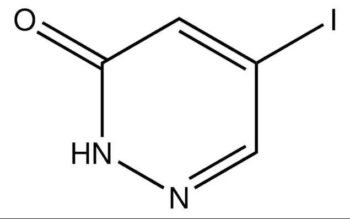
Common English name: 5-iodo-2,3-dihydropyridazin-3-one
CAS No.: 825633-94-1
Molecular formula: C4H3IN2O
Molecular weight: 221.98
Sample: Available
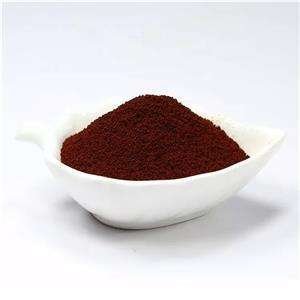
Chemical Name: Choline salicylate
CAS No.: 2016-36-6
Molecular Formula: C12H19NO4
Molecular Weight: 241.28
Appearance: Red-Brown Crystal
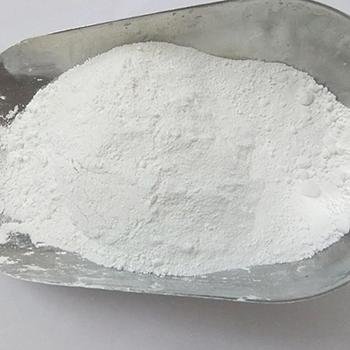
Product name:Cyclopentane
Purity:96%
Appearance:White powder
Package:25kg/bag
Sample:Available

Chemical Name: Ashwagandha Extract
Synonyms: Withania somnifera, ext.; Withania Somnefera Extract
CAS: 90147-43-6
Appearance: Brown
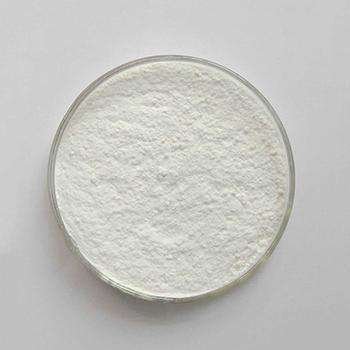
Chemical Name: Zinc citrate
Synonyms: Zinc citrate trihydrate
CAS No.: 546-46-3
Molecular Formula: C6H8O7Zn
Molecular Weight: 257.5
Appearance: White powder
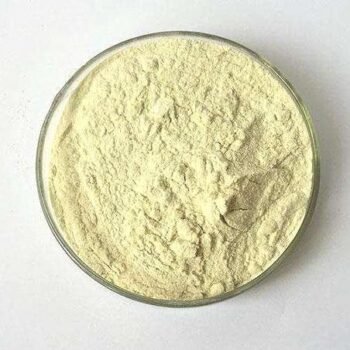
Chemical Name: o-Xylene
Synonyms: 1,2-Dimethylbenzene; ortho-xylene
CAS No.: 95-47-6
Molecular Formula: C8H10
Molecular Weight: 106.17




Reviews
There are no reviews yet.