
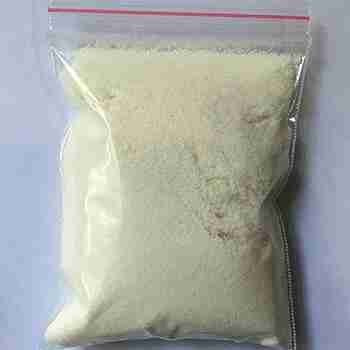
POLYGLYCERYL-3 DISTEARATE CAS 94423-19-5
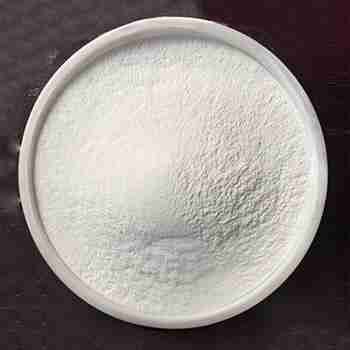
Chemical Name: POLYGLYCERYL-3 DISTEARATE
Synonyms: Hexaglycerin monostearate
CAS No.: 94423-19-5
Molecular Fomula: C14H8O2
Molecular weight: 773.19384
Appearance:?Light yellow solid
Assay: 99%
Description
POLYGLYCERYL-3 DISTEARATE?Quick Details
Chemical Name: POLYGLYCERYL-3 DISTEARATE
CAS No.: 94423-19-5
Molecular Fomula: C14H8O2
Molecular weight: 773.19384
Appearance:?Light yellow solid
Assay: 99%
Typical Properties
ITEMS
SPECIFICATION
Acid value mgKOH/g
??2.0
Saponification value mgKOH/g
239.0??20.0 ??C at 760 mmHg
Freezing point??
??8
HLB value
??8.5
?
POLYGLYCERYL-3 DISTEARATE Application
Polyglyceryl-3 distearate can mix the components evenly to form a fine pore structure, a large expansion rate, a delicate taste, smooth taste, and not easy to melt.
Packaging and Shipping?
Customized according to customer needs.
POLYGLYCERYL-3 DISTEARATE?Storage
It should be stored in?a low temperature, dry, cool and ventilated place. Do not mix storage and transportation with toxic and harmful substances. ?
Related Products

Chemical Name: Quercetin-3-O-sophoroside
CAS No.: 18609-17-1
Molecular Formula: C27H30O17
Molecular Weight: 626.52
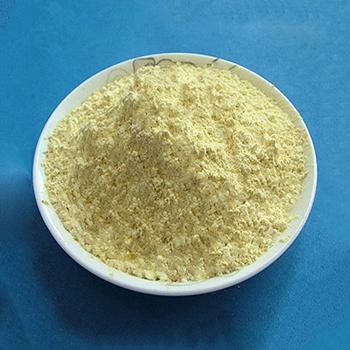
Product name:HYDROXYPROPYL GUAR HYDROXYPROPYLTRIMONIUM CHLORIDE
Purity:99%
Appearance:Light Yellow Powder
Package:Customized according to customer needs.
Sample:Available

Lauryl Glucoside is an eco-conscious non-ionic surfactant, derived from sustainable lauric acid and glucose. It offers superior mildness and biodegradability, making it an ideal choice for formulating gentle and effective cleaning agents in personal care and household products. Its bio-based nature aligns with the growing demand for green chemistry solutions.
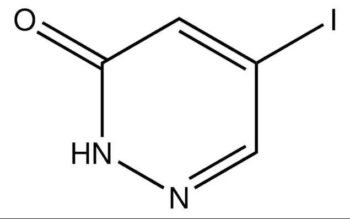
Common English name: 5-iodo-2,3-dihydropyridazin-3-one
CAS No.: 825633-94-1
Molecular formula: C4H3IN2O
Molecular weight: 221.98
Sample: Available

Decyl Glucoside is an eco-friendly, non-ionic surfactant derived from renewable resources. Renowned for its mildness and biodegradability, it is ideal for creating gentle, high-performing cleaning agents in personal care and household products. Its sustainable and effective nature makes it a preferred choice for green formulations.

Lauramidopropyl betaine is a mild, biodegradable surfactant commonly used in personal care products and cleaning formulations. It is derived from coconut oil and is known for its foaming and wetting properties, making it ideal for creating rich lathers. This ingredient is particularly favored for its gentleness on the skin and its ability to cleanse without causing irritation, making it suitable for sensitive skin types. It also contributes to the product’s viscosity and stability.
Hexyl D-glucoside is a non-ionic, plant-based surfactant derived from renewable resources such as corn or potato starch. It is recognized for its excellent skin compatibility and mildness, making it a preferred choice for formulations in personal care products, especially those targeting sensitive skin. With its superior solubilizing and foaming capabilities, it enhances the sensory experience of the product without compromising its gentleness. Its eco-friendly profile and biodegradability also align with green chemistry principles, appealing to consumers seeking sustainable product options.
Coconut Oil Monoethanolamide is a high-performance emulsifier derived from natural coconut oil. It is a key component in personal care and cosmetic formulations, providing excellent emulsifying properties and improving product texture. With its natural origin and superior performance, it is the preferred choice for creating stable and high-quality products.

Chemical Name: Ashwagandha Extract
Synonyms: Withania somnifera, ext.; Withania Somnefera Extract
CAS: 90147-43-6
Appearance: Brown
Chemical Name: UV-120
Other Name: (2’,4’-Di-tert-butylphenyl 3,5-di-tert-butyl-4-hydroxybenzoate)
CAS No.: 4221-80-1
Molecular Fomula: C29H42O3
Molecular weight: 438.66
Assay: ≥99%(LC)
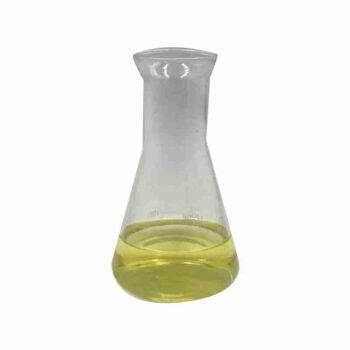
Coconut diethanolamide is a derivative of coconut fatty acids, where the fatty acid is reacted with diethanolamine to form an amide. This compound is commonly used as an emulsifier and viscosity modifier in personal care products such as shampoos, conditioners, and creams. It imparts a smooth texture and enhances the stability of formulations. Coconut diethanolamide is valued for its ability to improve the foaming properties and skin feel of products, making it a preferred ingredient for creating luxurious and effective formulations in the cosmetics and personal care industry.
Lauryl Glucoside is an eco-conscious non-ionic surfactant, derived from sustainable lauric acid and glucose. It offers superior mildness and biodegradability, making it an ideal choice for formulating gentle and effective cleaning agents in personal care and household products. Its bio-based nature aligns with the growing demand for green chemistry solutions.



Reviews
There are no reviews yet.