
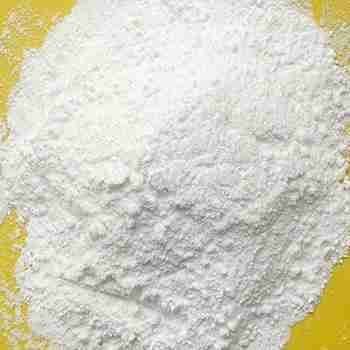
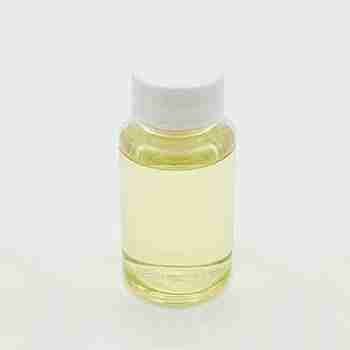
Description
Product Name: Polyethylene glycol monolaurate
CAS No: 9004-81-3
Molecular formula: C12H23O2.(C2H4O)n.H
Molecular?weight: 0
Properties:
Dispersible in water, it forms turbid liquid with mineral and vegetable oils. It is used as defoamer in??water-based coatings. It is used as viscosity reducer in vinyl plastic sols, viscosity control additive in hair dyes, and also as paper softening additive, emulsifier, coupling agent and solubilizer for metal processing lubricants and textile lubricants.
Specification
ITEMS
Unit
Boiling Point
>260???C?(lit.)
Density
0.985 g/mL?at 25???C
Refractive Index
n20/D?1.346
Flash point
>110??C
?
Package
According customer requirements
Storage
Store in a cool, ventilated,?dry warehouse.
Related Products
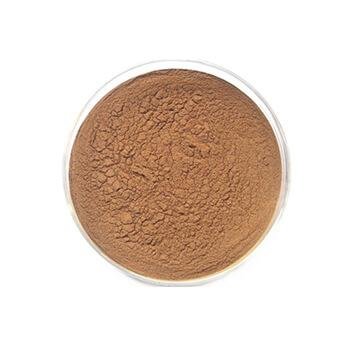
Chemical Name: Ashwagandha Extract
Synonyms: Withania somnifera, ext.; Withania Somnefera Extract
CAS: 90147-43-6
Appearance: Brown
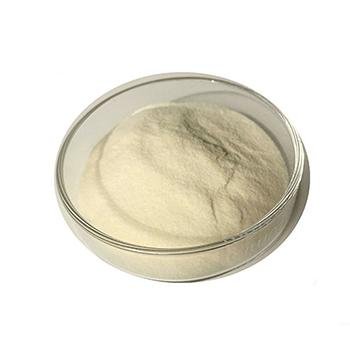
Chemical Name: Quercetin-3-O-sophoroside
CAS No.: 18609-17-1
Molecular Formula: C27H30O17
Molecular Weight: 626.52

Lauryl Glucoside is an eco-conscious non-ionic surfactant, derived from sustainable lauric acid and glucose. It offers superior mildness and biodegradability, making it an ideal choice for formulating gentle and effective cleaning agents in personal care and household products. Its bio-based nature aligns with the growing demand for green chemistry solutions.
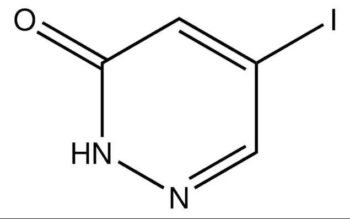
Common English name: 5-iodo-2,3-dihydropyridazin-3-one
CAS No.: 825633-94-1
Molecular formula: C4H3IN2O
Molecular weight: 221.98
Sample: Available
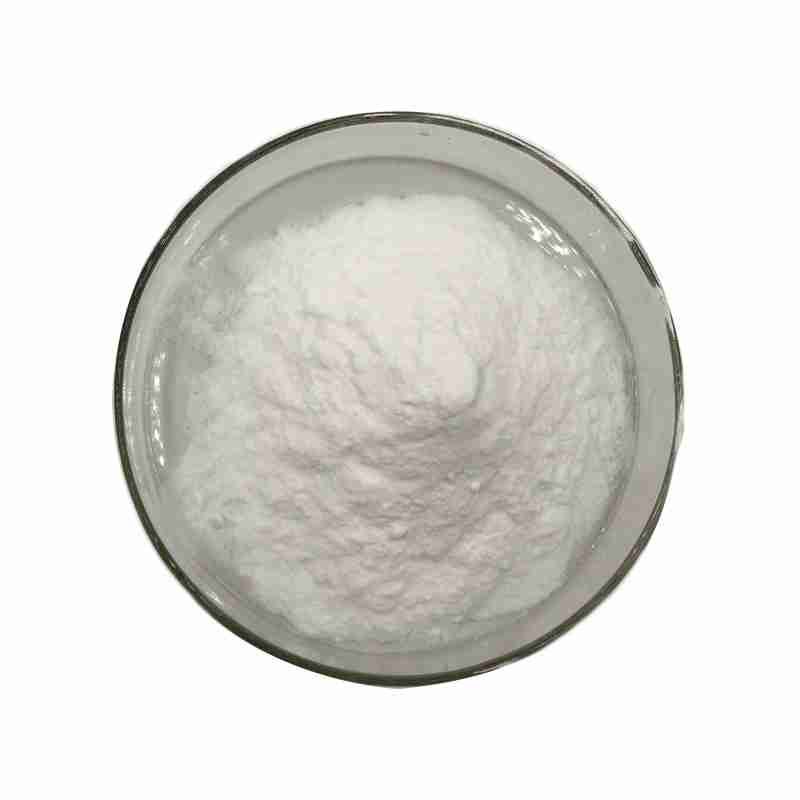
Monostearin is a versatile emulsifier and emollient derived from glycerol and stearic acid. It is instrumental in stabilizing emulsions and enhancing the texture and consistency of a wide range of products in the cosmetics, food, and pharmaceutical sectors.

Decyl Glucoside is an eco-friendly, non-ionic surfactant derived from renewable resources. Renowned for its mildness and biodegradability, it is ideal for creating gentle, high-performing cleaning agents in personal care and household products. Its sustainable and effective nature makes it a preferred choice for green formulations.
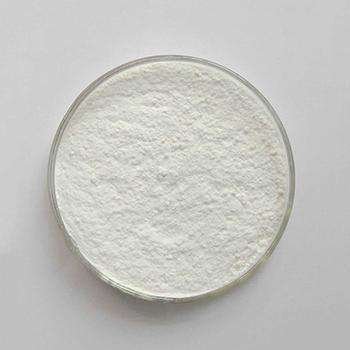
Chemical Name: Zinc citrate
Synonyms: Zinc citrate trihydrate
CAS No.: 546-46-3
Molecular Formula: C6H8O7Zn
Molecular Weight: 257.5
Appearance: White powder
Lauryl Glucoside is an eco-conscious non-ionic surfactant, derived from sustainable lauric acid and glucose. It offers superior mildness and biodegradability, making it an ideal choice for formulating gentle and effective cleaning agents in personal care and household products. Its bio-based nature aligns with the growing demand for green chemistry solutions.
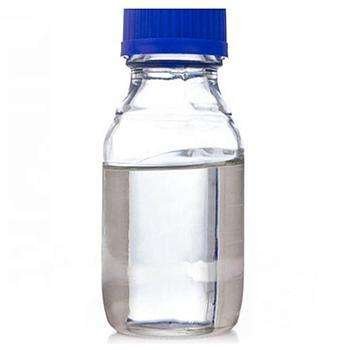
Chemical Name: STODDARD SOLVENT
CAS No.: 64742-88-7
Appearance: Colorless or Light Yellow Liquid
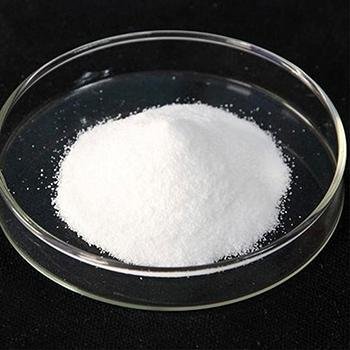
Chemical Name: UV-120
Other Name: (2’,4’-Di-tert-butylphenyl 3,5-di-tert-butyl-4-hydroxybenzoate)
CAS No.: 4221-80-1
Molecular Fomula: C29H42O3
Molecular weight: 438.66
Assay: ≥99%(LC)
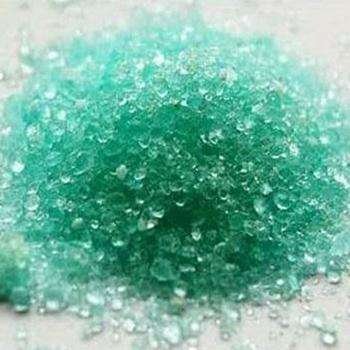
Chemical Name: Ammonium Iron(II) Sulfate
Synonyms: Diammonium iron bis(sulphate); iron (ii) ammonium sulfate
CAS No.: 10045-89-3
Molecular Formula: FeH5NO4S
Molecular Weight: 170.95
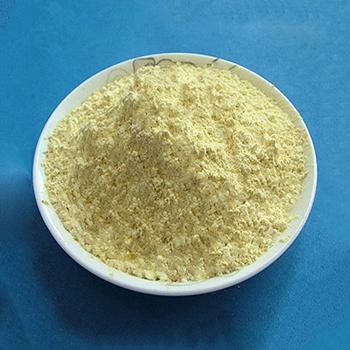
Product name:HYDROXYPROPYL GUAR HYDROXYPROPYLTRIMONIUM CHLORIDE
Purity:99%
Appearance:Light Yellow Powder
Package:Customized according to customer needs.
Sample:Available



Reviews
There are no reviews yet.