
Description
Phytic Acid Quick Details
CAS No: 83-86-3
Molecular Formula: C6H18O24P6
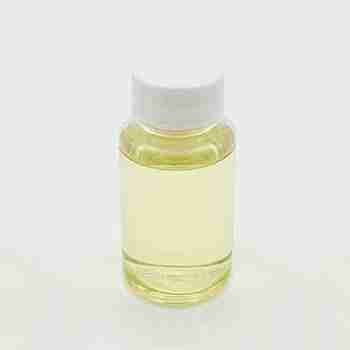
Appearance: Clear colorless to yellowish liquid
Assay: 50%min, 70%min
Phytic acid 50%
Assay:
?50% min.
Inorganic phosphorous:
?0.2% max.
Chloride:
?0.02% max
Calcium:
?0.02% max.
Heavy metal:?
?0.003% max.
Sulfate:
?0.02% max.
Arsenic:
?0.0003% max.
High-quality phytic acid 70% food grade
Assay:
?70% min.
Inorganic phosphorous:
?0.2% max.
Chloride:
?0.02% max
Calcium:
?0.02% max.
Heavy metal:
?0.003% max.
Sulfate:
?0.02% max.
Arsenic:
??0.0003% max.
?
Phytic Acid Uses
It is widely used in industries including food, medicine, paint, coating, daily-use chemicals, metal processing, textile, plastic, and macromolecule as chelating agent, antioxidant, antistaling agent, color fixative, water softener, accelerant, metal preservative, etc.
In the food industry, it is used for the preservation and color protection of fruits, vegetables, and aquatic products, and also as a metal antirust and corrosion inhibitor.
Phytic Acid Packaging
250kg/drum
Related Products
Chemical Name: Zinc citrate
Synonyms: Zinc citrate trihydrate
CAS No.: 546-46-3
Molecular Formula: C6H8O7Zn
Molecular Weight: 257.5
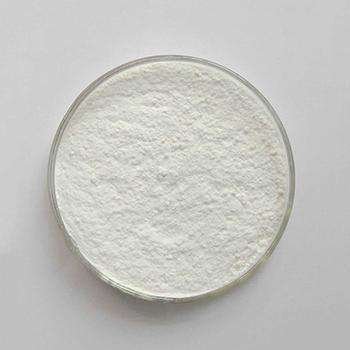
Appearance: White powder
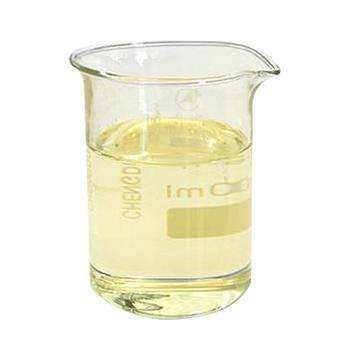
Chemical Name: Potassium Castorate
CAS No.: 8013-05-6
Molecular Formula: C57H107K3O12
Molecular Weight: 1101.74718
Appearance: Yellow Liquid

Chemical Name: UV-120
Other Name: (2’,4’-Di-tert-butylphenyl 3,5-di-tert-butyl-4-hydroxybenzoate)
CAS No.: 4221-80-1
Molecular Fomula: C29H42O3
Molecular weight: 438.66
Assay: ≥99%(LC)

Chemical Name: Quercetin-3-O-sophoroside
CAS No.: 18609-17-1
Molecular Formula: C27H30O17
Molecular Weight: 626.52

Chemical Name: 1,1,2,2-Tetrachloroethane
Other Name: Tetrachlorethane
CAS No.: 79-34-5
Molecular Formula: C2H2Cl4
Molecular Weight: 167.85
Appearance: Liquid
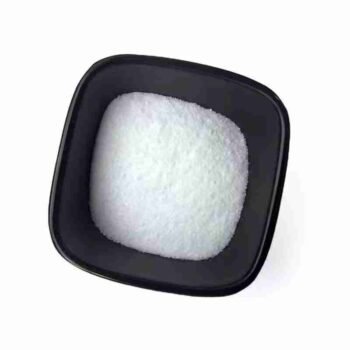
POLY(VINYL CHLORIDE-CO-ISOBUTYL VINYL ETHER) is a copolymer that combines the properties of vinyl chloride and isobutyl vinyl ether. This polymer offers a balance of rigidity and flexibility, along with enhanced chemical resistance and durability. It is commonly used in the production of films, coatings, and adhesives due to its excellent barrier properties against gases and moisture, making it ideal for packaging and construction applications.
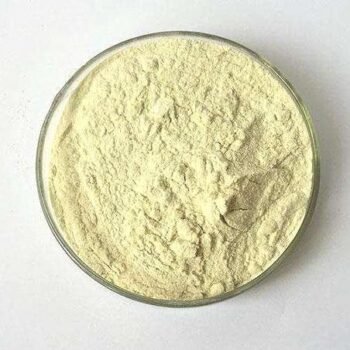
Chemical Name: o-Xylene
Synonyms: 1,2-Dimethylbenzene; ortho-xylene
CAS No.: 95-47-6
Molecular Formula: C8H10
Molecular Weight: 106.17
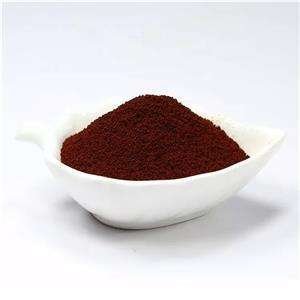
Chemical Name: Choline salicylate
CAS No.: 2016-36-6
Molecular Formula: C12H19NO4
Molecular Weight: 241.28
Appearance: Red-Brown Crystal
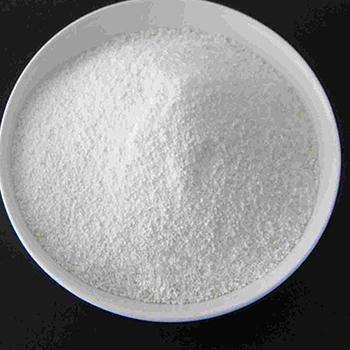
Chemical Name: Dehydrocholic acid
Synonyms: Acide dehydrocholique; Triketocholanic acid
CAS No.: 81-23-2
Molecular Formula: C24H34O5
Molecular Weight: 402.53
Appearance: Powder

Terpene resin is a type of natural resin derived from terpenes, which are organic compounds found in various plants. It is known for its aromatic properties and is commonly used in the production of fragrances, flavorings, and as a component in adhesives and coatings within the chemical industry. Terpene resin offers a range of benefits, including enhancing the solubility of essential oils and providing a stable base for various applications. Its natural origin makes it a preferred choice for eco-friendly products.
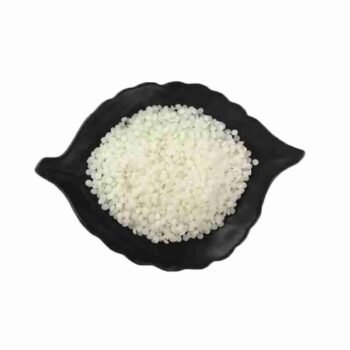
Tetraacetylethylenediamine is a fully acetylated derivative of ethylenediamine, offering a high reactivity as an intermediate in organic synthesis. Its unique structure makes it a critical component in the production of specialty chemicals and pharmaceuticals, ensuring a wide range of applications in the chemical industry.
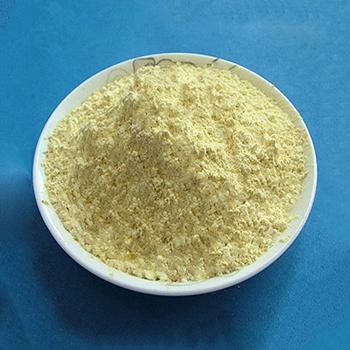
Product name:HYDROXYPROPYL GUAR HYDROXYPROPYLTRIMONIUM CHLORIDE
Purity:99%
Appearance:Light Yellow Powder
Package:Customized according to customer needs.
Sample:Available



Reviews
There are no reviews yet.