
Description
Phosphatidylcholine Details
Chemical Name:Soybean lecithin
CAS No.: 8002-43-5
Molecular Formula: C42H80NO8P
Molecular Weight:758.06
Molecular Structure:
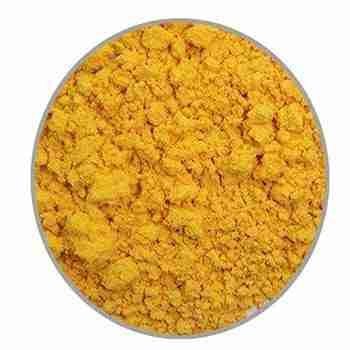
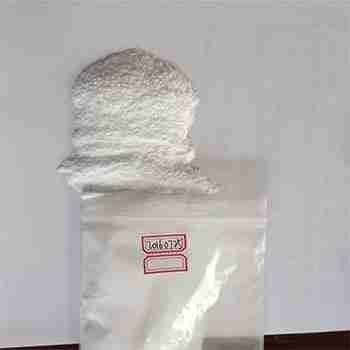
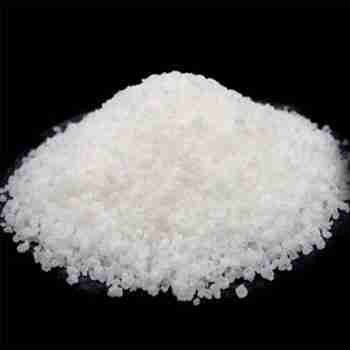
Appearance: yellow to brown semi-solid or lump
Phosphatidylcholine Typical Properties
Item
Standard
Appearance
yellow to brown semi-solid or lump
Solution
soluble in Ether and Ethanol, insoluble in Acetone
Acid value
n.m.t.30
Iodine value
n.l.t.75
Peroxide value
n.m.t.3.0
Identification
???1??should be a positive reaction
??2?? should be a positive reaction
Color of solution
absorbance n.m.t.0.8 at 350 nm
Acetone insoluble
n.l.t.90%
Hexane insoluble
n.m.t.0.3%
Water
n.m.t.1.5%
Heavy metals
n.m.t.20ppm
Arsenic
n.m.t.2ppm
Lead
n.m.t.2ppm
Residual solvents
ethanol ????????????n.m.t.0.2%
acetone ????????????n.m.t.0.2%
dichloromethane ??????n.m.t.0.06%
total residual solvent ???n.m.t.0.5%
Bacteriological account
Aerobes [/g] ?????????n.m.t.100
Moulds and Yeasts [/g]???n.m.t.100
Escherichis coli [/g] ???negative
Salmonellae [/10g] ????negative
Assay?(on dry basis)
Phosphorus (P)
n.l.t.2.7%
Nitrogen(N)
1.5%??2.0%
Phosphatidylcholine
?n.l.t45.0%
Phosphatidylethanolamine
?n.m.t.30%
Phosphatidylcholine and Phosphatidylethanolamine
n.l.t70.0%
Phosphatidylcholine Usage
Used as raw material for health food, emulsifier, quality improver, emulsifier for injection and liposome raw material
Can effectively improve and prevent arteriosclerosis, high blood pressure, heart disease and stroke, at the same time can enhance cell vitality, regulate the nervous system
Nutritional medicine. Used to prevent atherosclerosis, hypertension, heart disease, Alzheimer??s disease, gout, diabetes, neurasthenia. It can also be used for bacterial culture medium preparation. Phospholipids are powerful emulsifiers that can ??emulsify?? cholesterol and fat into very fine particles, and even resolve the ??atherosclerotic plaques?? that have formed, thereby reducing blood lipids and reducing the chance of stroke and myocardial infarction. As an emulsifier, phospholipids can also help the body absorb fat-soluble vitamins A, D, E, K, etc., for the body??s normal functioning needs.
Biochemical research, the main structural phospholipid in the brain.
Phosphatidylcholine Packaging and Shipping
Packing: 10kg/carton,25kg/fiber drum
Related Products
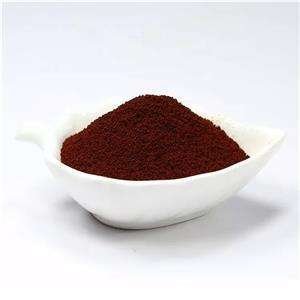
Chemical Name: Choline salicylate
CAS No.: 2016-36-6
Molecular Formula: C12H19NO4
Molecular Weight: 241.28
Appearance: Red-Brown Crystal

Polyhexamethylene guanidine hydrochloride, often abbreviated as PHMG-HCl, is a high molecular weight polymeric biguanide compound known for its potent antimicrobial properties. With a chemical structure that features a long chain of methylene groups bridged by guanidine units, PHMG-HCl is effective against a broad spectrum of microorganisms, including bacteria, viruses, and fungi.
This hydrochloride salt form of PHMG is highly soluble in water and is commonly used in various applications due to its non-irritant and non-toxic nature to human skin and mucous membranes. It is widely recognized for its ability to form a colorless and odorless solution, making it an ideal choice for use in personal care products, medical disinfectants, and water treatment processes.
The versatility of PHMG-HCl lies in its cationic nature, which allows it to bind to negatively charged microbial cell walls, disrupting their integrity and leading to cell death. This mechanism of action contributes to its effectiveness as a preservative and disinfectant. Moreover, its substantivity, or the ability to adhere to surfaces, enhances its long-lasting antimicrobial activity.
In summary, Polyhexamethylene guanidine hydrochloride is a reliable and efficient antimicrobial agent, pivotal in industries where hygiene and cleanliness are paramount, offering a safe and sustainable solution for microbial control.
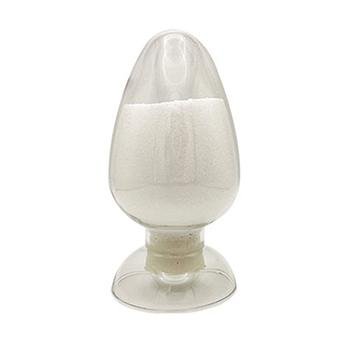
Chemical Name: Imazalil Sulfate
CAS No.: 58594-72-2
Molecular Formula: C14H14Cl2N2O.H2SO4
Molecular Weight: 395.26
Appearance: Solid
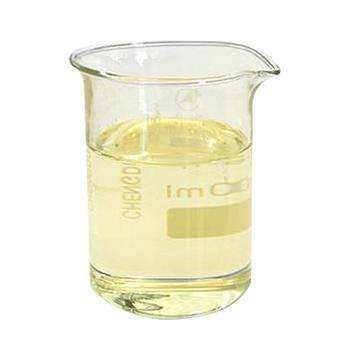
Chemical Name: Potassium Castorate
CAS No.: 8013-05-6
Molecular Formula: C57H107K3O12
Molecular Weight: 1101.74718
Appearance: Yellow Liquid

Ethylhexyl Palmitate is a skin-conditioning ester, derived from ethylhexanol and palmitic acid, that imparts moisturization and a smooth texture to cosmetic and personal care formulations. It is valued for its emollient properties, enhancing the sensory experience of skin care products.
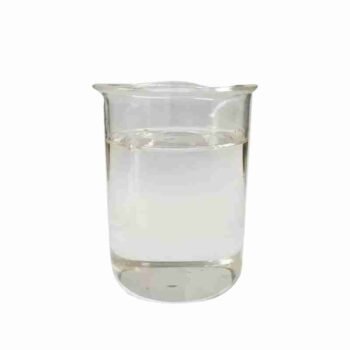
Silicone oil, known for its chemical designation as dimethicone or polydimethylsiloxane, is a synthetic polymer with a backbone of alternating silicon and oxygen atoms, creating a highly versatile and stable compound. It is renowned for its exceptional lubricating properties, heat resistance, and non-toxic nature, making it a staple in various industries, including cosmetics, automotive, and aerospace.
This hydrophobic, non-volatile oil is valued for its ability to provide a smooth, non-greasy feel and to form stable emulsions with other ingredients. In personal care products, silicone oil is used to impart a silky texture, reduce friction on the skin, and create a protective barrier against environmental stressors without clogging pores.
Silicone oil’s chemical inertness and resistance to oxidation contribute to its long shelf life and stability in formulations. It is also appreciated for its compatibility with a wide range of substances, allowing for the creation of multifunctional products.
In summary, silicone oil is a reliable and multifaceted ingredient, offering a combination of performance, safety, and sensory benefits. Its use in a variety of applications reflects its versatility and enduring appeal in the marketplace.
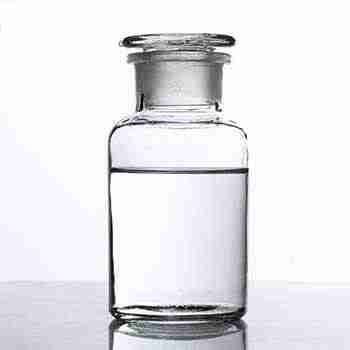
1-Octanol, also known as Capryl alcohol or n-Octanol, is a clear, colorless liquid with a characteristic waxy odor. It is an alcohol with eight carbon atoms in its chain, making it a part of the aliphatic alcohol family. This compound is poorly soluble in water but is miscible with ethanol, diethyl ether, and chloroform . It has a melting point of approximately -15??C and a boiling point of around 196??C . 1-Octanol is used in the production of esters, plasticizers, and as a solvent or intermediate in the synthesis of various organic compounds. It also finds application in the fragrance industry as a fixative in perfumes and can be used in the formulation of flavor and scent compositions . It is important to note that 1-Octanol is flammable and should be handled with care, storing it away from sources of ignition and heat .
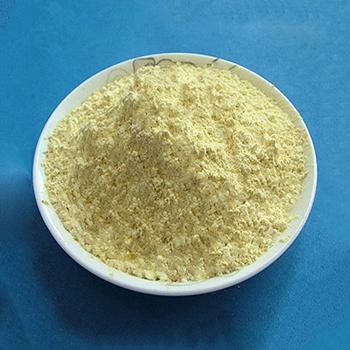
Product name:HYDROXYPROPYL GUAR HYDROXYPROPYLTRIMONIUM CHLORIDE
Purity:99%
Appearance:Light Yellow Powder
Package:Customized according to customer needs.
Sample:Available
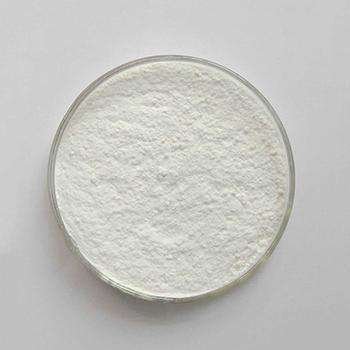
Chemical Name: Zinc citrate
Synonyms: Zinc citrate trihydrate
CAS No.: 546-46-3
Molecular Formula: C6H8O7Zn
Molecular Weight: 257.5
Appearance: White powder
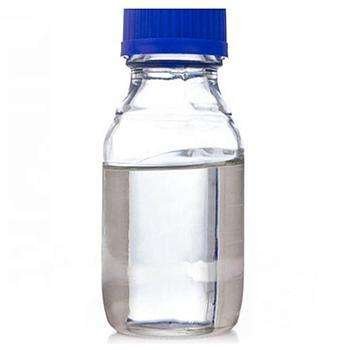
Chemical Name: STODDARD SOLVENT
CAS No.: 64742-88-7
Appearance: Colorless or Light Yellow Liquid
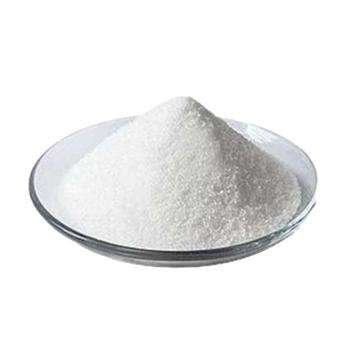
Chemical Name: 3-Hydroxybutyric acid
CAS No.: 625-71-8
Molecular Formula: C4H8O3
Molecular Weight: 104.1
Appearance: White powder
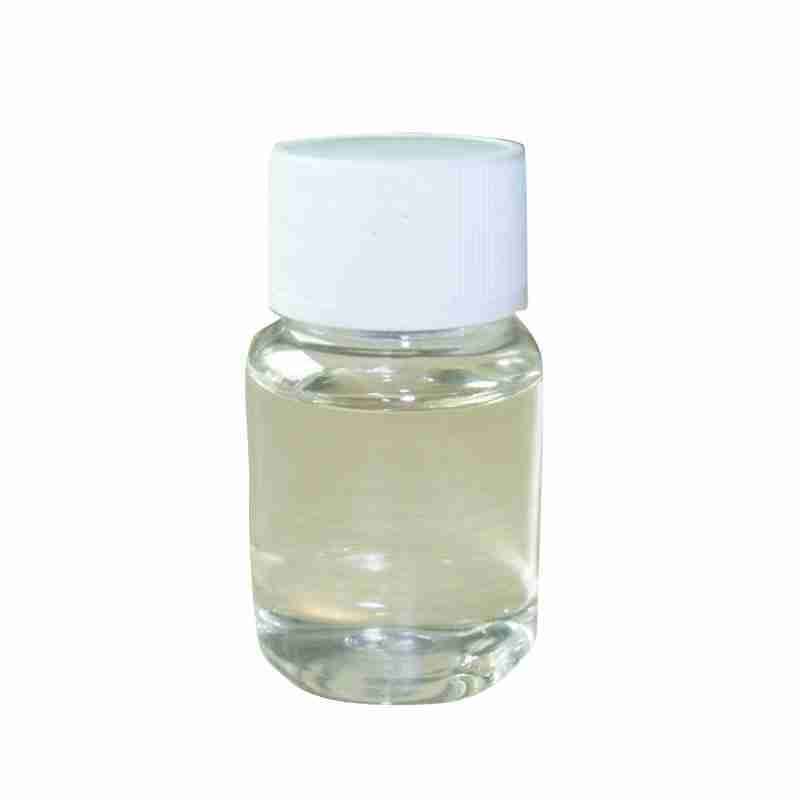
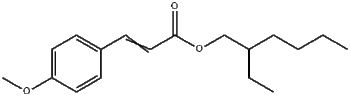
Octyl 4-methoxycinnamate, scientifically known as 2-Ethylhexyl 4-Methoxycinnamate, is a highly effective organic UV filter commonly used in the formulation of sunscreens and cosmetic products. This compound is renowned for its ability to absorb ultraviolet B (UVB) radiation, providing a reliable defense against the sun’s harmful effects on the skin.
Characterized by its chemical formula C19H28O3, Octyl 4-methoxycinnamate is a liquid ester that is readily soluble in organic solvents. It is valued for its photostability, which means it maintains its protective properties even after prolonged exposure to sunlight. This feature makes it an ideal ingredient for products designed to offer long-lasting sun protection.
In addition to its UVB absorption capabilities, Octyl 4-methoxycinnamate is also appreciated for its compatibility with other UV filters, allowing for the creation of broad-spectrum sunscreens. It contributes to the development of formulations that are non-greasy and cosmetically elegant, suitable for a variety of skin types.
As a key component in sun care products, Octyl 4-methoxycinnamate supports the skin’s health by preventing sunburn, reducing the risk of skin cancer, and delaying the signs of photoaging. Its safety profile and efficacy make it a preferred choice in the personal care and dermatological industries for sun protection solutions.



Reviews
There are no reviews yet.