
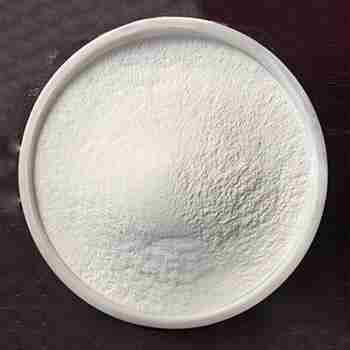
Palmitoylethanolamide Cas 544-31-0

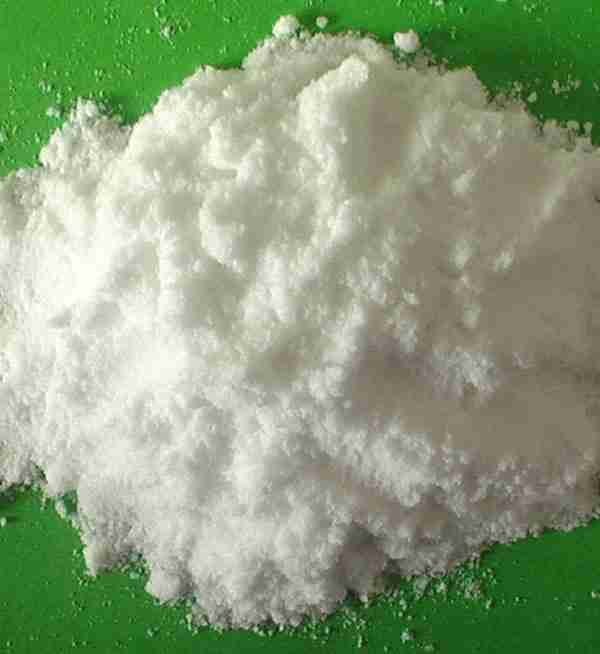
Assay: 99%min
Appearance: White powder
Capacity: 6 ton/month
Packaging: 25 kg / drum
Sample: available
related documents:
COA of Palmitoylethanolamide(Micronized grade)
TDS of Palmitoylethanolamide
Request for product documents
Description
Palmitoylethanolamide Quick Details
Chemical Name: Palmitoylethanolamide; N-(2-Hydroxyethyl)hexadecanamide; PEA; Palmidrol
CAS NO: 544-31-0
Molecular formula: C18H37NO2
Chemical Structure:
Molecular weight 299.49
Appearance: White powder
Content: 98%
Typical Properties
Item
Specifications
Active Ingredients
Assay(%, On Dried base)
NLT98.0%
Physical Control
Appearance
Fine Powder
Color
White to Off-White
Identification
Positive
Loss on Drying
1.0% Max
Residue on ignition
0.1% Max
Particle size
D(0.5): 3??m
D(0.99): 10??m
Excipients
None
Chemical Control
Heavy Metals
NMT10 ppm
Lead(Pb)
NMT1ppm
Arsenic(As)
NMT1ppm
Mercury(Hg)
NMT0.1ppm
Cadmium(Cd)
NMT1ppm
Sulfate(SO4)
NMT0.040%
Chloride(Cl)
NMT0.020%
Solvent Residual
Meeting USP Standard
Microbiological Control
Total Plate Count
10,000cfu/g Max
Yeast Mold
300cfu/g Max
Coliforms
10cfu/g Max
E.Coli
Negative/10g
Salmonella sp.
Negative/25g
Staph Aureus
Negative/10g
Pseudomonas aeruginosa
Negative/25g
Hint
The palmitoylethanolamide produced by our company is directly edible and is often used as a raw material for food additives.
Palmitoylethanolamide Application
1. has anti-inflammatory, anti-injury, mainly in food, health care products additives.
2. used in drugs mainly play a neuroprotective, and anti-convulsive nature.
what is palmitoylethanolamide
1. Palmitoylethanolamide is an endogenous fatty acid amide belonging to the class of nuclear transcription factor agonists. PEA has been shown to bind to nuclear receptors in the nucleus and is a natural anti-inflammatory agent for the generation and marketing of a variety of chronic pain and inflammation-related biological functions.
2. PPAR-??, a member of the peroxide proliferator-activated receptor PPARs, the other two subtypes are PPAR-?? and PPAR??. PPAR-?? is mainly distributed in some organs and tissues with active catabolism of fat. It is the main transcriptional regulator of fatty acid oxidase gene, which is involved in mediating lipid uptake and oxidation, and mediating amino acid metabolism. From a macroscopic point of view, it can participate in hemostasis, inflammation, lipid metabolism disorder, atherosclerosis and coronary heart disease. a pharmacological and physiological process.
3. In the animal experiments of chronic pain and inflammation models, the mechanism of action and the effect of PEA have been further verified.
4. In the model of chronic granulomatosis pain, PEA can prevent mechanical pain caused by nerve formation and germination. PEA can also inhibit the activation of ganglia, which indicates that PEA is an analgesic and anti-inflammatory substance. It is based on different mechanisms of action.
5. In the nervous system, PEA is produced as a result of the repair mechanism of chronic inflammation and chronic pain in the body. In bladder inflammation, PEA can attenuate the pain caused by visceral nerve reflexes. In the femoral nervous system, PEA achieves the effect of reducing pain perception by affecting the peripheral mast cells that promote inflammation.
Packing and Storage
Packing Pack in paper-drums and two plastic bags inside. 25 Kg/Drum
Palmitoylethanolamide Storage
Store in a well-closed container away from moisture and direct sunlight.
Shelf Life 2 years if sealed and stored properly.
Related Products
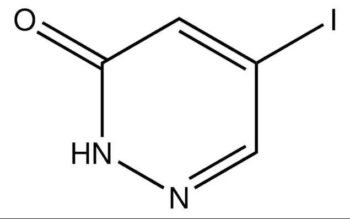
Common English name: 5-iodo-2,3-dihydropyridazin-3-one
CAS No.: 825633-94-1
Molecular formula: C4H3IN2O
Molecular weight: 221.98
Sample: Available
Chemical Name: Imazalil Sulfate
CAS No.: 58594-72-2
Molecular Formula: C14H14Cl2N2O.H2SO4
Molecular Weight: 395.26
Appearance: Solid
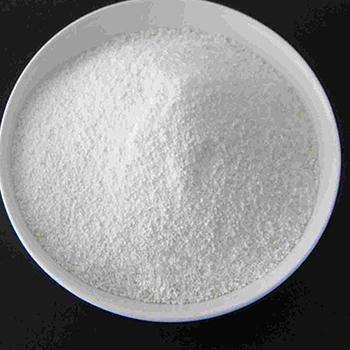
Chemical Name: Dehydrocholic acid
Synonyms: Acide dehydrocholique; Triketocholanic acid
CAS No.: 81-23-2
Molecular Formula: C24H34O5
Molecular Weight: 402.53
Appearance: Powder

Ethylhexyl Palmitate is a skin-conditioning ester, derived from ethylhexanol and palmitic acid, that imparts moisturization and a smooth texture to cosmetic and personal care formulations. It is valued for its emollient properties, enhancing the sensory experience of skin care products.

Terpene resin is a type of natural resin derived from terpenes, which are organic compounds found in various plants. It is known for its aromatic properties and is commonly used in the production of fragrances, flavorings, and as a component in adhesives and coatings within the chemical industry. Terpene resin offers a range of benefits, including enhancing the solubility of essential oils and providing a stable base for various applications. Its natural origin makes it a preferred choice for eco-friendly products.

Butylated Hydroxytoluene (BHT) is a synthetic phenolic antioxidant commonly added to foods, cosmetics, and packaging to prevent the oxidation of fats and oils, thereby extending their shelf life. It is also used as a preservative in a variety of products, including rubber, petroleum products, and animal feed. BHT is recognized for its effectiveness in maintaining nutrient levels, color, flavor, and odor in food products . It is known to have a melting point of 69-71??C, a boiling point of 265??C, and is soluble in ethanol, acetone, and benzene, but not in water, glycerin, or propylene glycol . BHT is also used in some dietary supplements due to its antioxidant properties . However, it is important to handle BHT with care, as it can cause skin irritation and is considered harmful if swallowed .

Silicone oil, known for its chemical designation as dimethicone or polydimethylsiloxane, is a synthetic polymer with a backbone of alternating silicon and oxygen atoms, creating a highly versatile and stable compound. It is renowned for its exceptional lubricating properties, heat resistance, and non-toxic nature, making it a staple in various industries, including cosmetics, automotive, and aerospace.
This hydrophobic, non-volatile oil is valued for its ability to provide a smooth, non-greasy feel and to form stable emulsions with other ingredients. In personal care products, silicone oil is used to impart a silky texture, reduce friction on the skin, and create a protective barrier against environmental stressors without clogging pores.
Silicone oil’s chemical inertness and resistance to oxidation contribute to its long shelf life and stability in formulations. It is also appreciated for its compatibility with a wide range of substances, allowing for the creation of multifunctional products.
In summary, silicone oil is a reliable and multifaceted ingredient, offering a combination of performance, safety, and sensory benefits. Its use in a variety of applications reflects its versatility and enduring appeal in the marketplace.
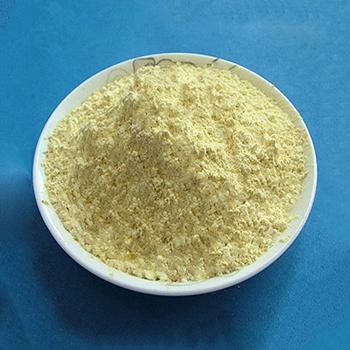
Product name:HYDROXYPROPYL GUAR HYDROXYPROPYLTRIMONIUM CHLORIDE
Purity:99%
Appearance:Light Yellow Powder
Package:Customized according to customer needs.
Sample:Available


Octocrylene is an organic compound widely recognized for its potent UV-filtering properties, making it an essential ingredient in sunscreens and other skincare products designed to protect the skin from harmful ultraviolet radiation. With the chemical name 2-(4-Methylbenzyl)-2H-benzotriazole-5-methyl, octocrylene is a stable and photostable molecule that provides broad-spectrum protection against both UVA and UVB rays.
This oil-soluble chemical is valued for its ability to absorb UV radiation effectively, converting it into heat without causing skin irritation or staining clothes. Octocrylene is often used in combination with other UV filters to enhance the sun protection factor (SPF) of formulations, ensuring a balanced and comprehensive defense against sun damage.
As a lipophilic compound, octocrylene is compatible with various cosmetic and dermatological formulations, contributing to the development of lightweight, non-greasy sunscreens. Its chemical structure allows for a high degree of safety and efficacy, making it suitable for a wide range of skin types, including sensitive skin.
In summary, octocrylene is a reliable and efficient UV filter, pivotal in the formulation of modern sunscreens that offer advanced protection against the sun’s harmful effects while maintaining skin comfort and product aesthetics.
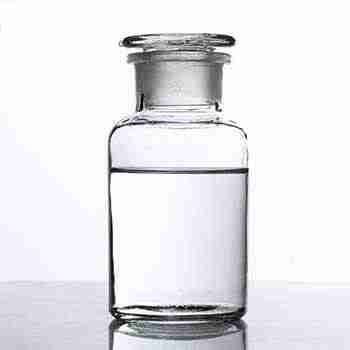
1-Octanol, also known as Capryl alcohol or n-Octanol, is a clear, colorless liquid with a characteristic waxy odor. It is an alcohol with eight carbon atoms in its chain, making it a part of the aliphatic alcohol family. This compound is poorly soluble in water but is miscible with ethanol, diethyl ether, and chloroform . It has a melting point of approximately -15??C and a boiling point of around 196??C . 1-Octanol is used in the production of esters, plasticizers, and as a solvent or intermediate in the synthesis of various organic compounds. It also finds application in the fragrance industry as a fixative in perfumes and can be used in the formulation of flavor and scent compositions . It is important to note that 1-Octanol is flammable and should be handled with care, storing it away from sources of ignition and heat .

Chemical Name: Ashwagandha Extract
Synonyms: Withania somnifera, ext.; Withania Somnefera Extract
CAS: 90147-43-6
Appearance: Brown
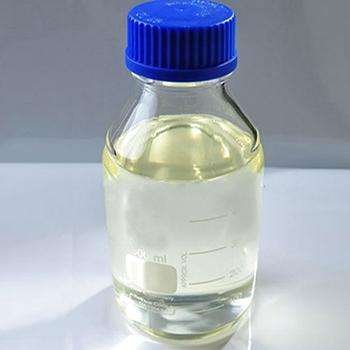
Chemical Name: 1,1,2,2-Tetrachloroethane
Other Name: Tetrachlorethane
CAS No.: 79-34-5
Molecular Formula: C2H2Cl4
Molecular Weight: 167.85
Appearance: Liquid



Reviews
There are no reviews yet.