
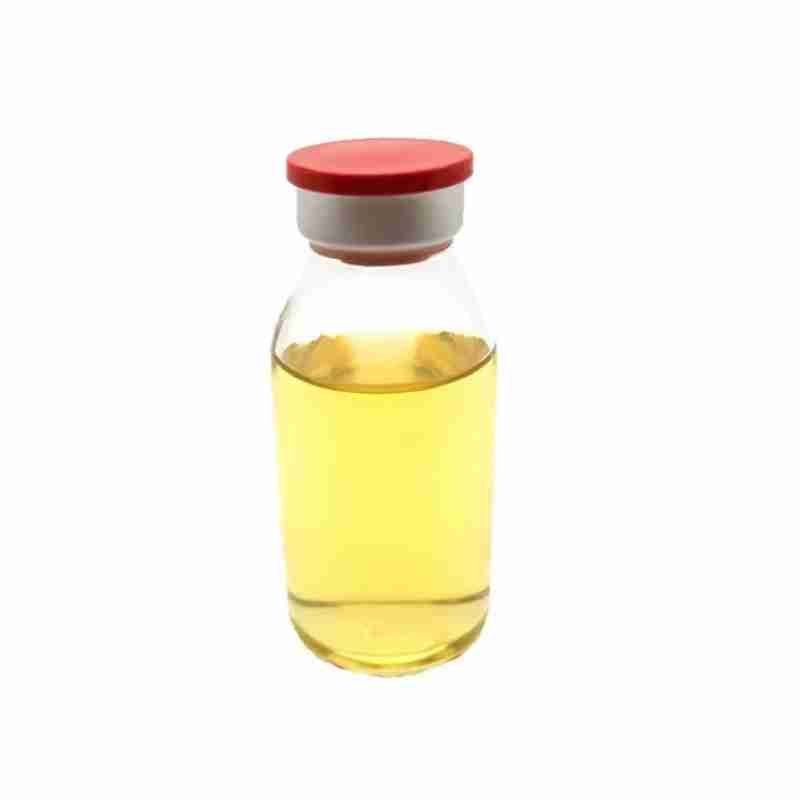
Olive oil CAS#8001-25-0


Olive Oil, with a Chemical Abstracts Service (CAS) number of 8001-25-0, is a natural fruit oil obtained from the olive tree. It is renowned for its rich flavor, nutritional benefits, and versatility in culinary uses.
Olive oil CAS#8001-25-0
Olive Oil (CAS# 8001-25-0), extracted from the fruit of the olive tree, is a golden-green liquid with a rich, fruity aroma and a distinctive taste. Packed with monounsaturated fats and antioxidants, it’s celebrated for its health benefits and culinary versatility. Ideal for cooking, baking, and as a base for dressings, it’s also valued in skincare and cosmetics for its moisturizing and anti-inflammatory properties. Our product meets international food safety standards and is available in various packaging options, with customization available to suit specific needs. For orders or inquiries, please reach out to our sales team.
| Olive oil Chemical Properties |
| density | 0.9135 |
| vapor density | >1 (vs air) |
| FEMA | 4801 | OLIVE FRUIT EXTRACT |
| refractive index | 1.467-1.471 |
| Fp | 225 ??C |
| storage temp. | room temp |
| solubility | Slightly soluble in ethanol (95%); miscible with ether, chloroform, light petroleum (50?C70??C), and carbon disulfide. |
| form | Viscous Liquid |
| Specific Gravity | 0.912 (20/4??) |
| color | Yellow |
| Odor | pleasing, delicate flavor |
| Odor Type | green |
| Water Solubility | Insoluble in water |
| EPA Substance Registry System | Olive oil (8001-25-0) |
| Safety Information |
| Hazard Codes | Xi |
| Risk Statements | 38 |
| Safety Statements | 24/25 |
| WGK Germany | nwg |
| RTECS | RK4300000 |
| Autoignition Temperature | 343??C |
| HS Code | 15099000 |
| Hazardous Substances Data | 8001-25-0(Hazardous Substances Data) |
| Toxicity | skn-hmn 300 mg/3D-I MLD 85DKA8 -,127,77 |
?
Related Products

Puerarin, also known as pueraria flavonoids, is a kind of flavonoid glycoside extracted from the roots of Pueraria alba or Pueraria thomsonii and is also one of the main effective ingredients of Pueraria lobata. That Pueraria lobate was used to treat diseases has already been recorded in China??s ancient medical books such as Shen Nong??s Materia Medica, Treatise on Miscellaneous Diseases and Medical Dictionary.
Kanzu root is widely distributed in our country and of rich resources. It has been reported that puerarin could be extracted from Pueraria lobata (Wild.) Ohwi, Radix Pueraria thomsonii, Pueraria omeiensiswanget Tang, Pueraria edulis Pamp and Pueraria phaseoloides, but the content of puerarin differs.
Pueraria has a great value for nutrition and medicine and was considered the south ginseng of China. Puerarin has been widespread concerned over our country for its use of food and medicine in recent years.

Chemical Name: 3-Hydroxybutyric acid
CAS No.: 625-71-8
Molecular Formula: C4H8O3
Molecular Weight: 104.1
Appearance: White powder
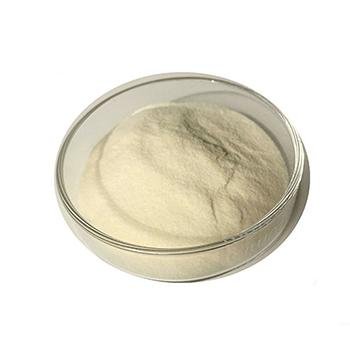
Chemical Name: Quercetin-3-O-sophoroside
CAS No.: 18609-17-1
Molecular Formula: C27H30O17
Molecular Weight: 626.52
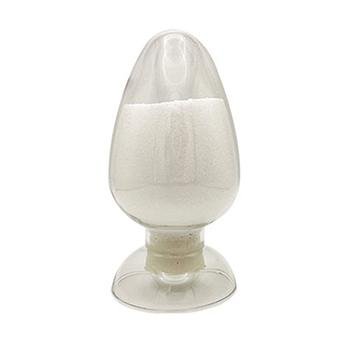
Chemical Name: Imazalil Sulfate
CAS No.: 58594-72-2
Molecular Formula: C14H14Cl2N2O.H2SO4
Molecular Weight: 395.26
Appearance: Solid

Common English name: 5-iodo-2,3-dihydropyridazin-3-one
CAS No.: 825633-94-1
Molecular formula: C4H3IN2O
Molecular weight: 221.98
Sample: Available

Chemical Name: 1,1,2,2-Tetrachloroethane
Other Name: Tetrachlorethane
CAS No.: 79-34-5
Molecular Formula: C2H2Cl4
Molecular Weight: 167.85
Appearance: Liquid

Osthole belongs to coumarin compounds. It is prismatic-like crystals (diethyl ether) and needle-like crystals (Ethanol) with the melting point being 83~84 ?? and the boiling point being 145~150 ??. It is soluble in alkaline solution, methanol, ethanol, chloroform, acetone, ethyl acetate, and boiling petroleum ether but insoluble in water and petroleum ether.
Osthole has various kinds of effects of antispasmodic, hypotensive, anti-arrhythmic and enhancing immune function and broad-spectrum antimicrobial effect. Osthole can not only have efficacy such as anti-hypertensive, anti-arrhythmic, anti-inflammatory, anti-tumor and anti-osteoporosis effect, but can also act as a new type of biological pesticides with significant efficacy in treating pests and plant pathogens.

Hydroxytyrosol, a potent antioxidant polyphenol derived from olives, is celebrated for its health-promoting properties. Highly valued in the nutraceutical, cosmetic, and pharmaceutical sectors, it contributes to the development of products that support well-being and skin health.

Chemical Name: Reishi Mushroom Extract
CAS No.: /
Molecular Fomula: C16H23O15
Chemical Structure: /
Molecular weight: /
Appearance:Brown powder

Chemical Name: Ashwagandha Extract
Synonyms: Withania somnifera, ext.; Withania Somnefera Extract
CAS: 90147-43-6
Appearance: Brown

Chemical Name:?Quassin
CAS No.: 76-78-8
Molecular Formula: C22H28O6
Molecular Weight: 388.45
Appearance: White Solid
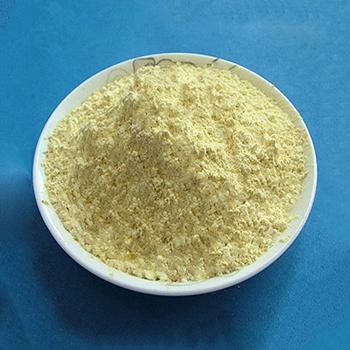
Product name:HYDROXYPROPYL GUAR HYDROXYPROPYLTRIMONIUM CHLORIDE
Purity:99%
Appearance:Light Yellow Powder
Package:Customized according to customer needs.
Sample:Available


